Coordination, control & how ShoulderBack Pro works
40 articles
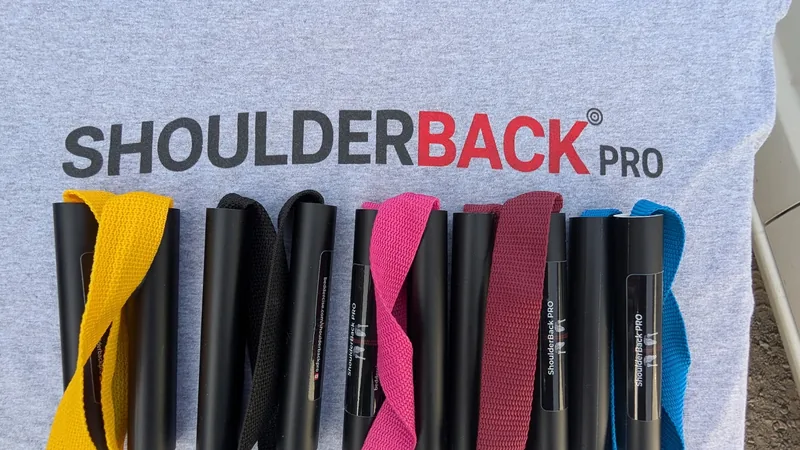
Essential guide · How it works
ShoulderBack Pro FAQ: 25 Questions Answered Honestly
Plain answers about ShoulderBack Pro: a 160 g two-handle trainer, who it may suit, what it cannot do, and when to see a clinician first.
9-minute read →
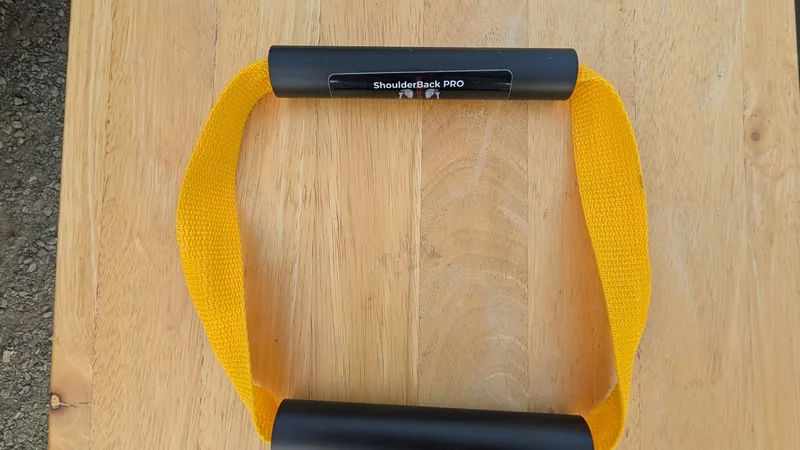
Essential guide · How it works
How ShoulderBack Pro Works: One Device, Two Connected Handles, Your Own Resistance
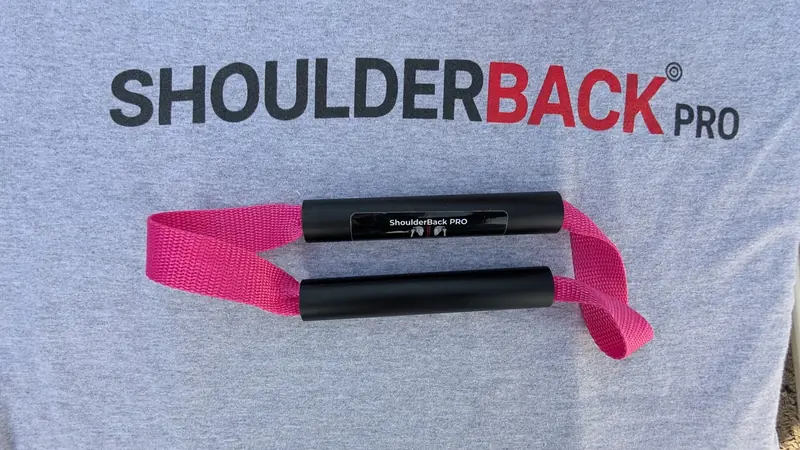
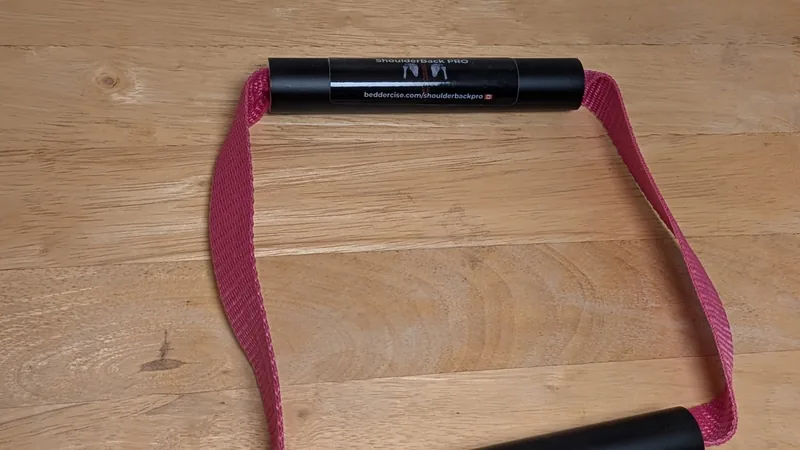
ShoulderBack Pro is a 160 g trainer with two handles on a fixed strap. One arm assists, the other resists, and you set the effort, pace and range.
9-minute read →
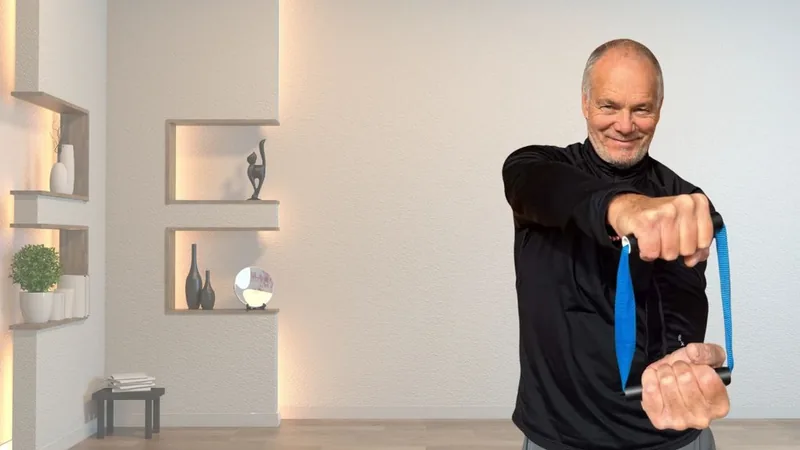
How it works
Pairing SBP With Walking: The Simplest Whole-Body Routine for Active Aging
Walking plus a short seated shoulder routine makes a simple whole-body habit. See what WHO guidance says and where ShoulderBack Pro can fit.
4-minute read →
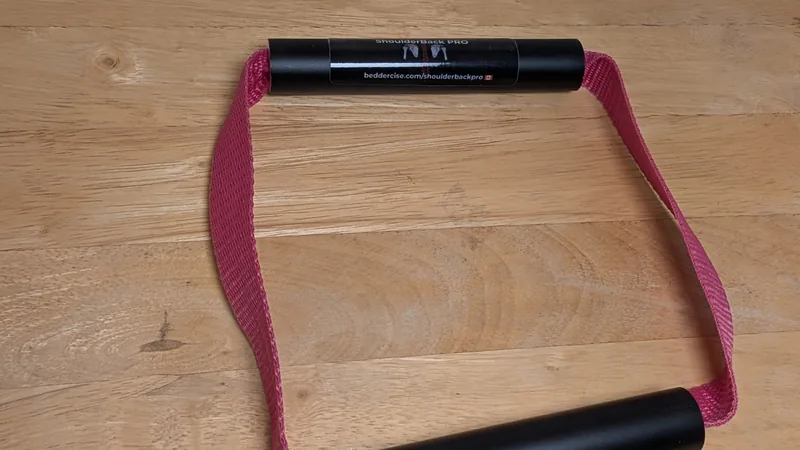
How it works
Locomotive: Rolling Circles for the Upper Back and Rear Cuff
Locomotive is a slow, rolling-circle movement for the upper back and rear rotator cuff. Learn how to do it seated or standing, and its limits.
4-minute read →
How it works
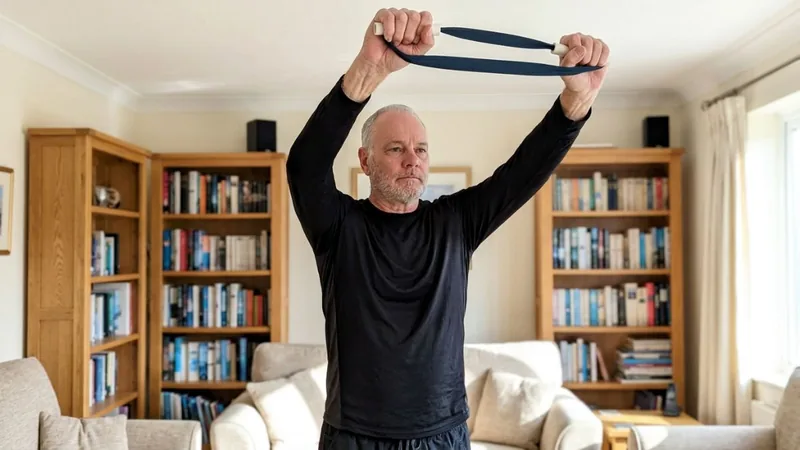
Overhead Press (High Shelf Reach): Trapezius and Deltoids Without a Weight
A seated overhead reach for the upper back and shoulders, with no weights. Learn the steps, a seated option, and what the research does and doesn't show.
4-minute read →
How it works
Grinders: Small Circles That Massage Between the Shoulder Blades
What sits between your shoulder blades, and how gentle Grinders circles can be one way to move that area. Seated option and safety notes included.
4-minute read →
How it works
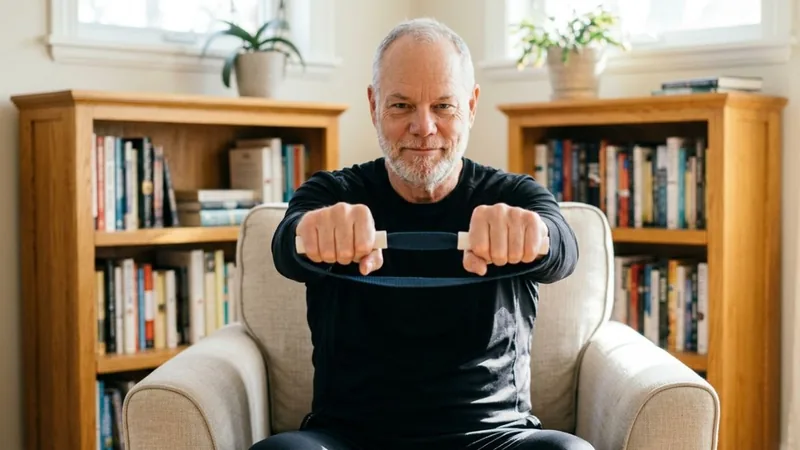
Can Two People Share One ShoulderBack Pro? Couples, Caregivers and Housemates
Yes, two people can share one ShoulderBack Pro by taking turns. Here is how couples, caregivers and housemates can make it work at home.
4-minute read →
How it works
Using SBP With One Sensitive Shoulder: How the Other Arm Supports It
Exercising with one sore shoulder? Learn how the healthy arm can guide the movement, how to keep effort low, and when to get checked first.
4-minute read →
How it works
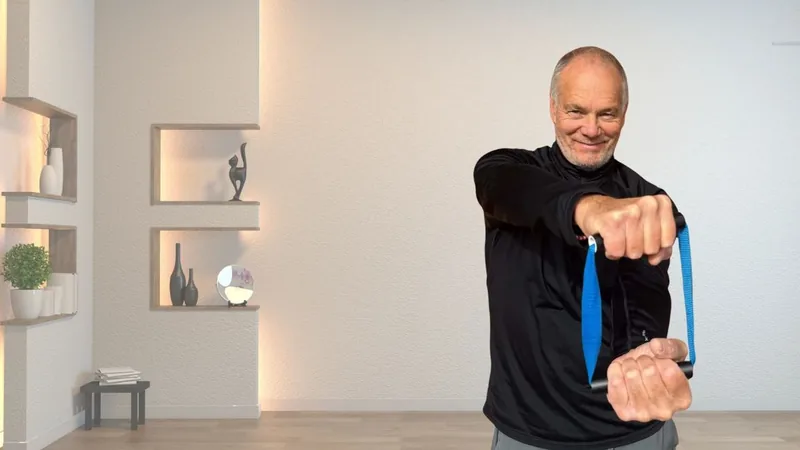
Why ShoulderBack Pro Isn't a Medical Device (and Why That Matters)
ShoulderBack Pro is a wellness movement trainer, not a medical device. Here is what that means for you, and how to judge any shoulder product's claims.
4-minute read →
How it works
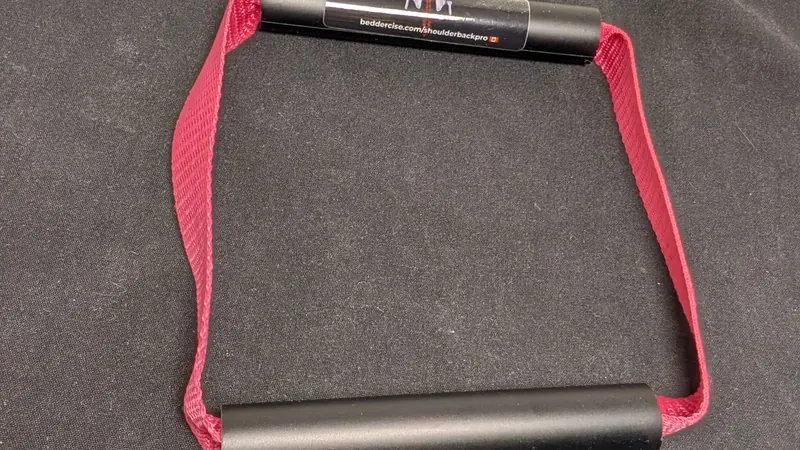
Travel Shoulder Routine: A 160-Gram Trainer in a Carry-On
A simple seated shoulder routine for flights and long drives, plus a small trainer that packs easily. Short, gentle and easy to repeat anywhere.
4-minute read →
How it works
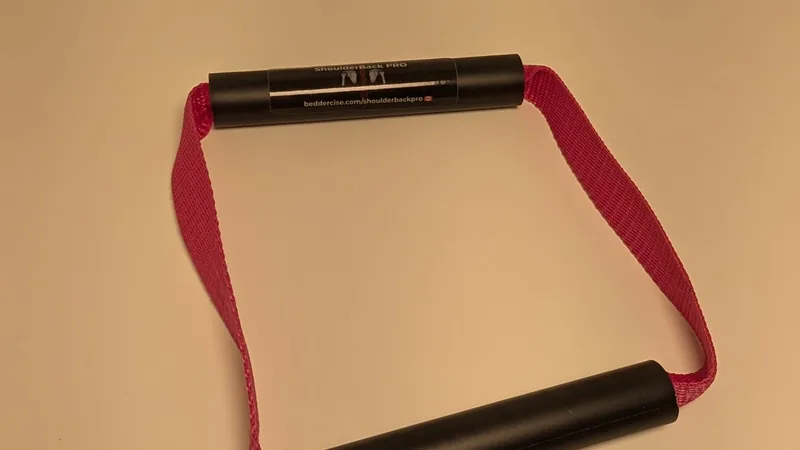
The Three 3-Minute Rituals: Refreshing Awareness, Greet the Morning, Vitality & Posture
Three short ShoulderBack Pro rituals, each about three minutes, with the movements in each one. Learn what they train and how to start seated.
5-minute read →
How it works
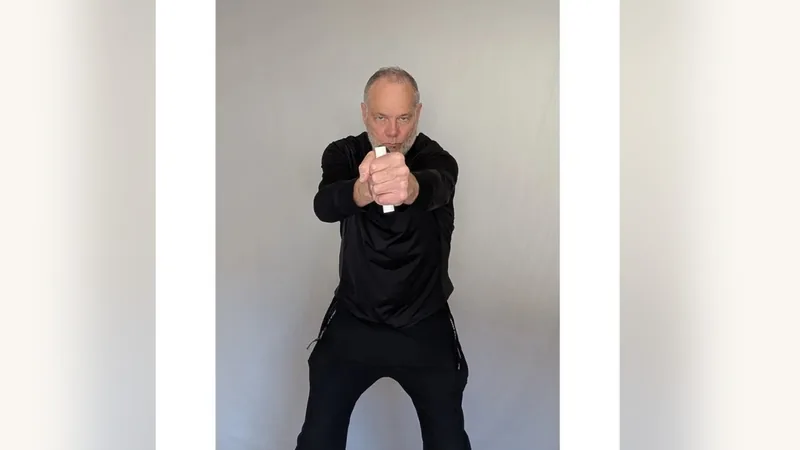
How Hard Should You Resist? Finding Your Effort Level With SBP
Find a shoulder effort level that is challenging but safe. Learn how progressive resistance works and how to set your own effort with ShoulderBack Pro.
4-minute read →
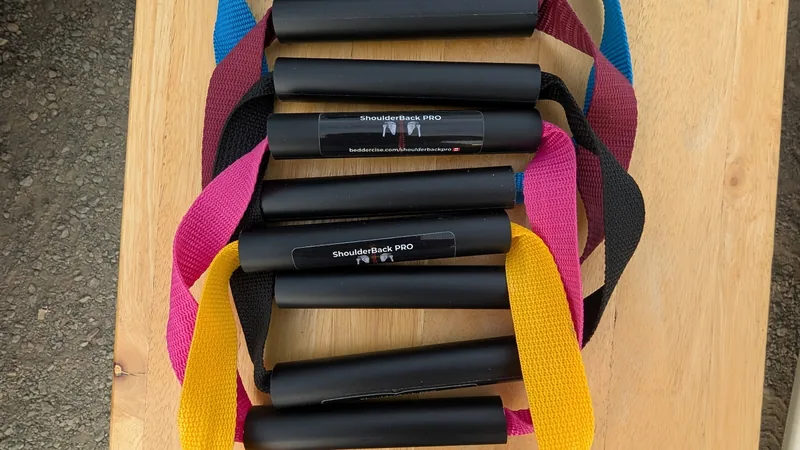
How it works
How to Progress With SBP Over 12 Weeks: Range, Pace, Resistance
Build a 12-week home plan by changing range, pace and effort one step at a time. Includes seated options and when to check with a clinician first.
6-minute read →
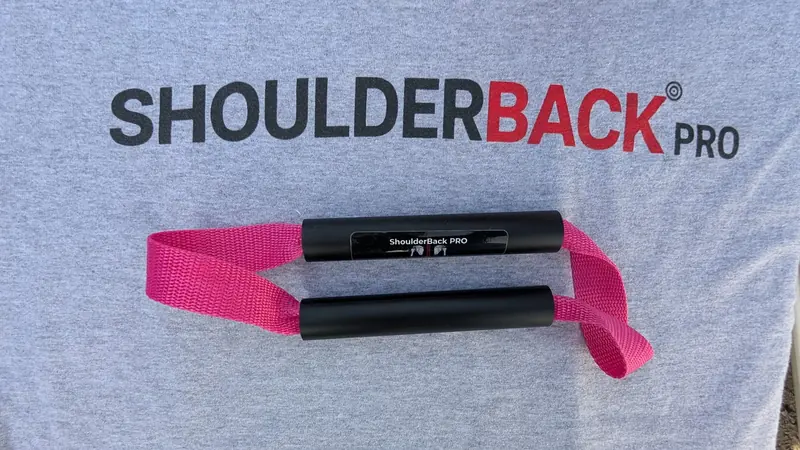
How it works
Why We Built It in Canada: The ShoulderBack Pro Story
ShoulderBack Pro was designed and assembled in British Columbia by its inventor, Van Hill. Here is the story and what the product does.
6-minute read →
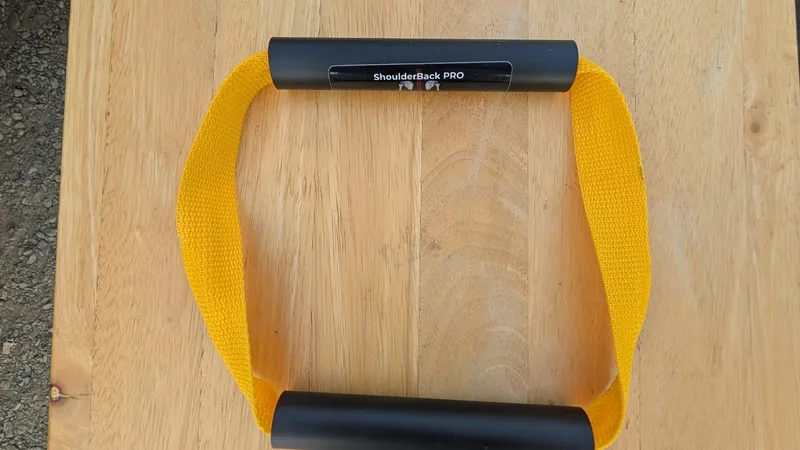
How it works
ShoulderBack Pro for Beginners: Your First Week, Day by Day
A calm, day-by-day first week with ShoulderBack Pro. Set a low effort, build gradually, and learn what to notice along the way.
5-minute read →
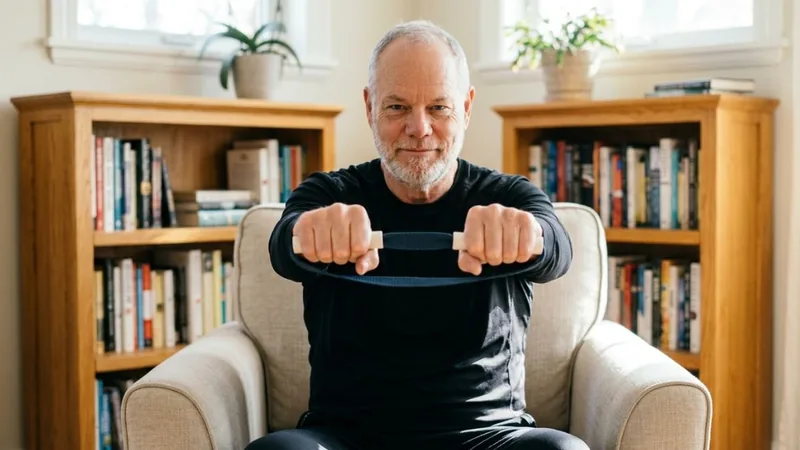
How it works
Can You Use ShoulderBack Pro Seated? Every Movement, From an Armchair
ShoulderBack Pro works seated or standing. Here is how to use it from an armchair, which movements suit a chair, and what it can and cannot do.
5-minute read →
How it works
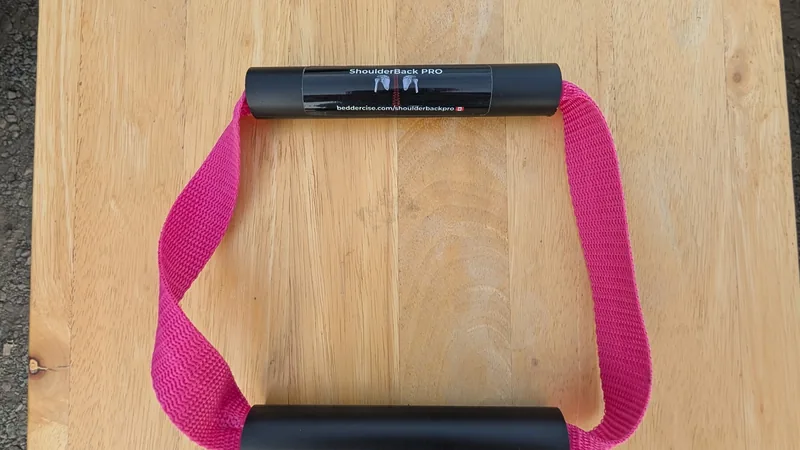
Why Nothing Snapping or Dropping Changes How Your Shoulders Behave
Equipment that cannot snap, stretch or drop lets you stay in control of every shoulder movement. Here is why that matters, plus seated options.
5-minute read →
How it works
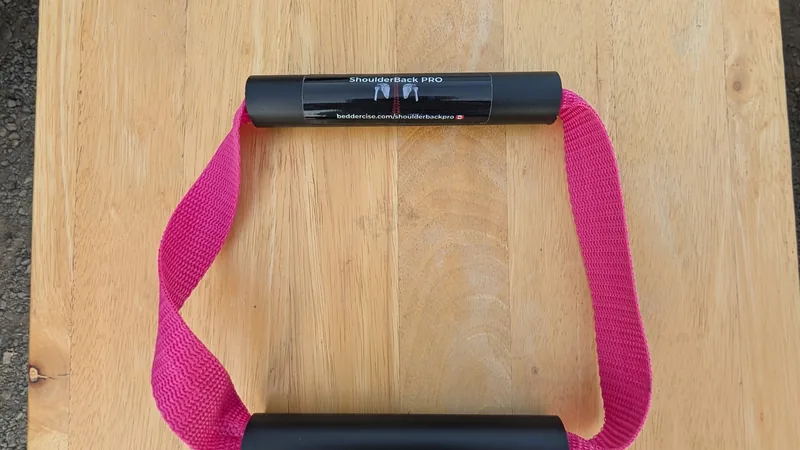
Strength Through Movement: Why Control Matters More Than Load for Everyday Shoulders
For everyday shoulders, control can matter as much as load. Learn what the research says about movement quality, two-arm training, and simple seated practice.
6-minute read →
How it works
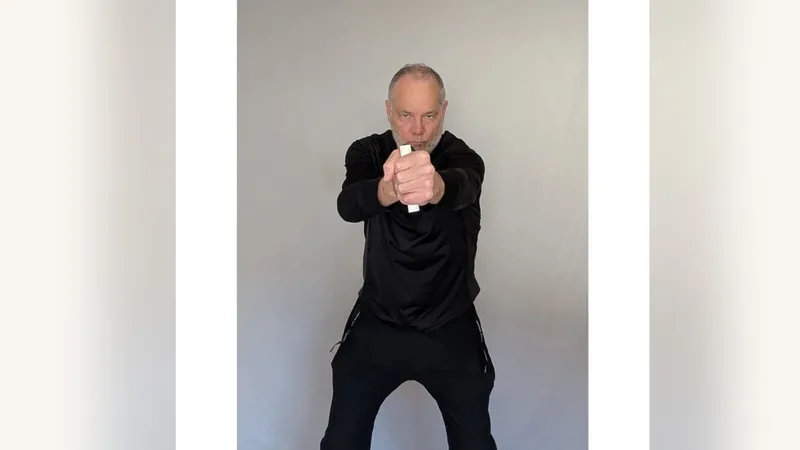
What to Expect in 30 Days With ShoulderBack Pro (No Promises, Just Patterns)
A 30-day ShoulderBack Pro plan with no promises: what to practise, what to track, and what the research says about timing for shoulder exercise.
5-minute read →
How it works
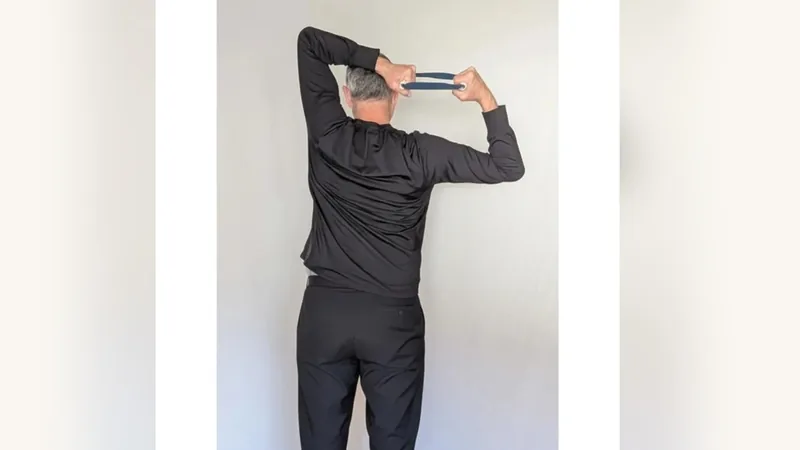
Why Training Both Arms Together Changes How the Brain Learns Movement
Training both arms together may help the brain learn movement. Here is what the research shows in stroke and in healthy adults, and what it doesn't.
6-minute read →
How it works
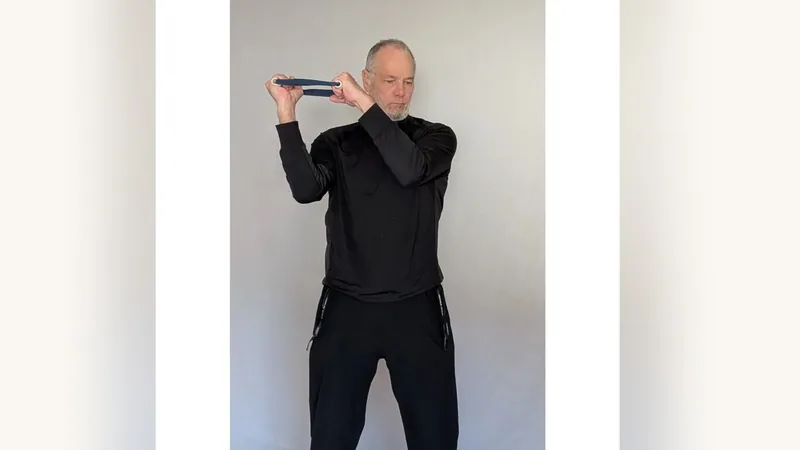
What Is Interlimb Coordination, and Why Does It Matter After 50?
Interlimb coordination is how your two arms work together. Learn what it is, what the research shows, and a simple two-arm practice you can do seated.
5-minute read →
How it works
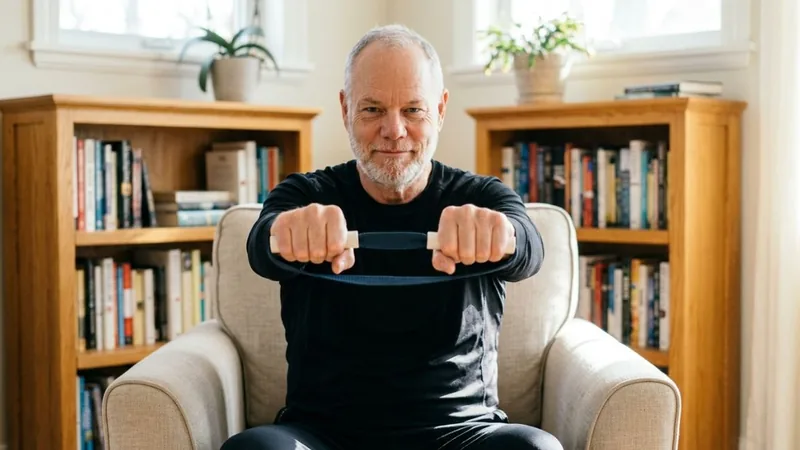
Assist and Resist: How One Arm Helps the Other Move
Why one arm guiding the other can teach control, what the research says about two-sided training, and how to try it seated or standing.
6-minute read →
How it works
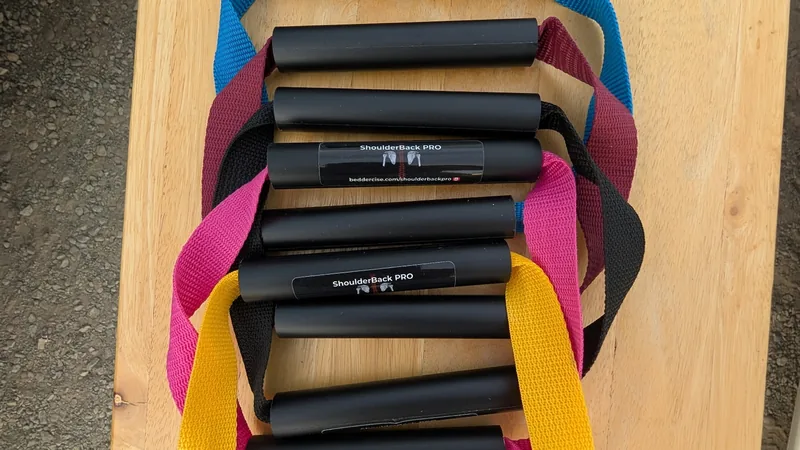
Dumbbell Raise (Weightless Lateral Glide): Supraspinatus Without the Dumbbell
How the lateral arm lift works, why control matters more than weight, and how a weightless glide with ShoulderBack Pro can fit. Seated option included.
4-minute read →
How it works
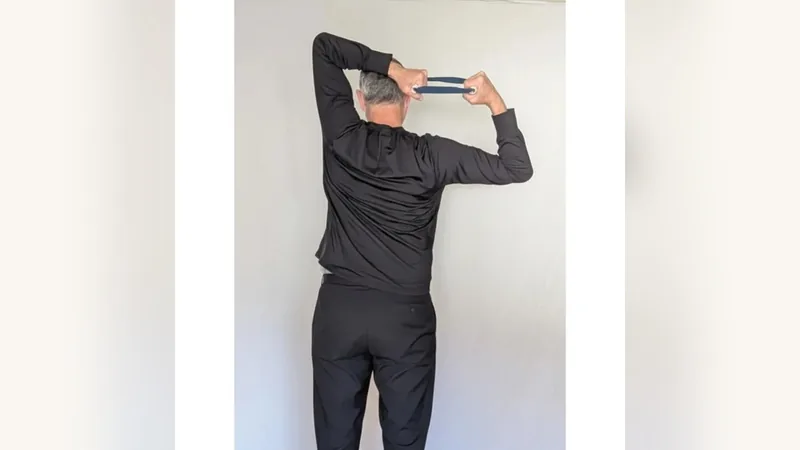
Resisting Arrest: The Gentle Behind-the-Back Extension
Resisting Arrest is a gentle behind-the-back shoulder movement for the lats and shoulder blade muscles. Learn seated steps, cautions and when to skip it.
4-minute read →