Coordination, control & how ShoulderBack Pro works
40 articles
How it works
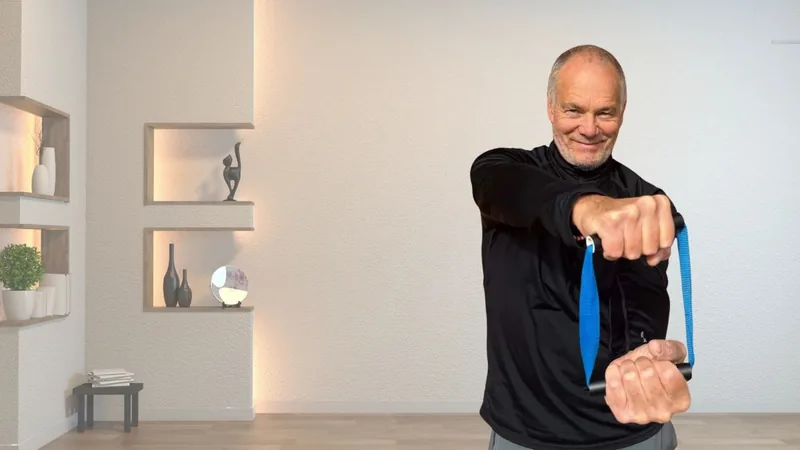
Bear Hugs You: Reaching Forward for Chest and Front Shoulder
Bear Hugs You is a slow, controlled forward reach for the chest and front shoulder. See seated steps, what it can and can't do, and when to ask first.
4-minute read →
How it works
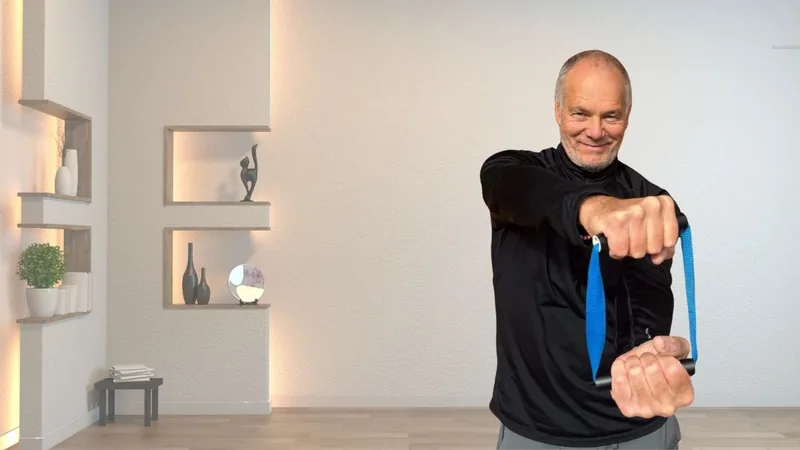
Crosscuts: The Diagonal Woodchop Glide for Lats and Obliques
Crosscuts is a seated diagonal glide for the back and side muscles. Learn the steps, a seated option, and what the research does and doesn't show.
4-minute read →
How it works
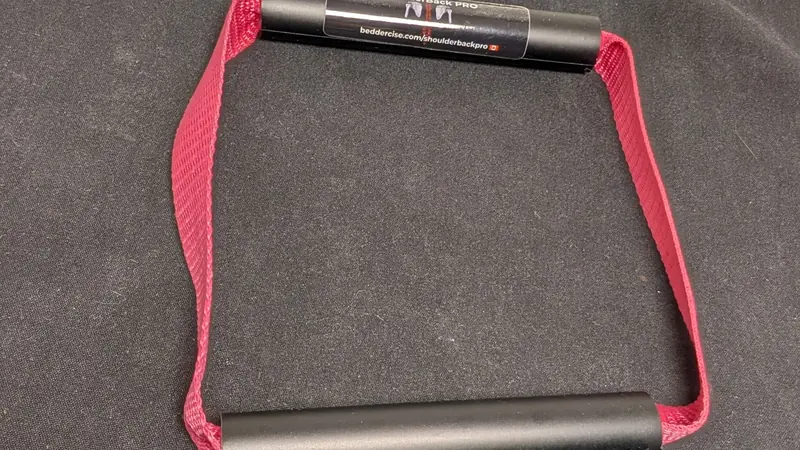
Who ShoulderBack Pro Is NOT For (An Honest List)
Who should not start with ShoulderBack Pro, and who it may suit. A plain list of red flags, conditions and goals, with the reasons for each.
5-minute read →
How it works
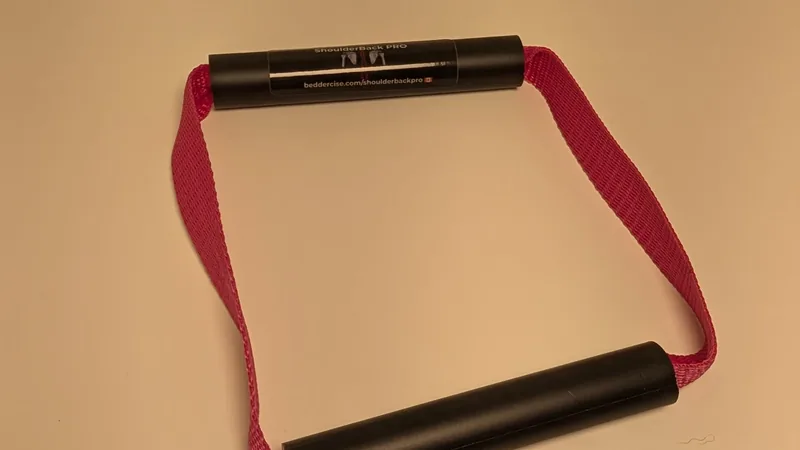
Boxing: Rhythmic Pushes for Serratus and Triceps (No Snapping)
A gentle seated boxing-style push for the serratus and triceps. Learn the soft, rhythmic version, why no snapping matters, and who should check first.
4-minute read →
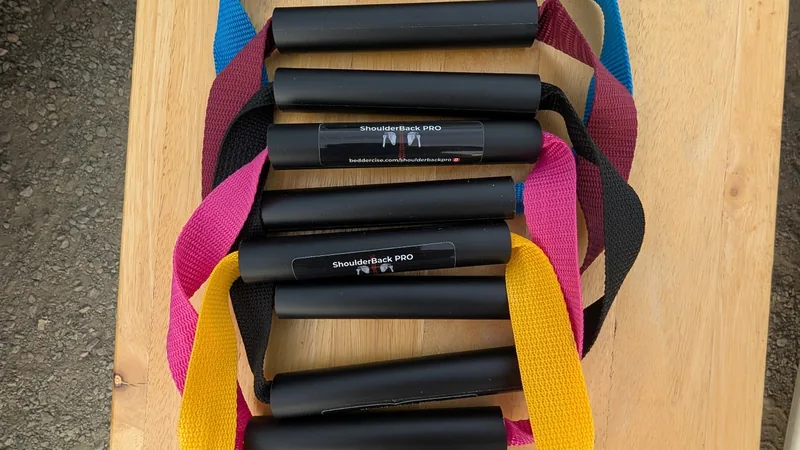
How it works
Around the World: Big Circles for Serratus Anterior and Lower Traps
Around the World is one large, slow circle that works the serratus anterior and lower traps. Learn the steps, a seated option and safety cues.
4-minute read →
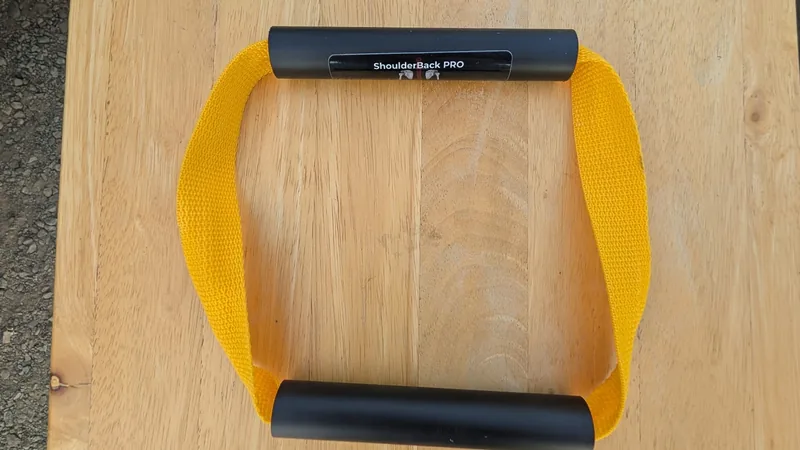
How it works
Open the Door: External Rotation for Infraspinatus and Rhomboids
A slow, seated guide to the Open the Door shoulder movement, what it works, and how to keep it gentle. See a clinician first if your shoulder hurts.
4-minute read →
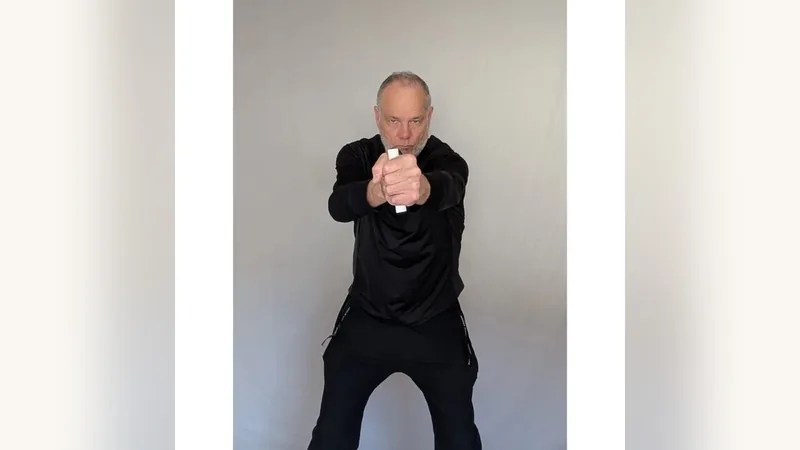
How it works
SeeSaw: The Master Glide That Wakes Up All 17 Shoulder-Blade Muscles
SeeSaw is a seated-friendly, two-arm glide for the shoulder blade muscles. Here is what it may help with, how to do it and what it cannot do.
6-minute read →
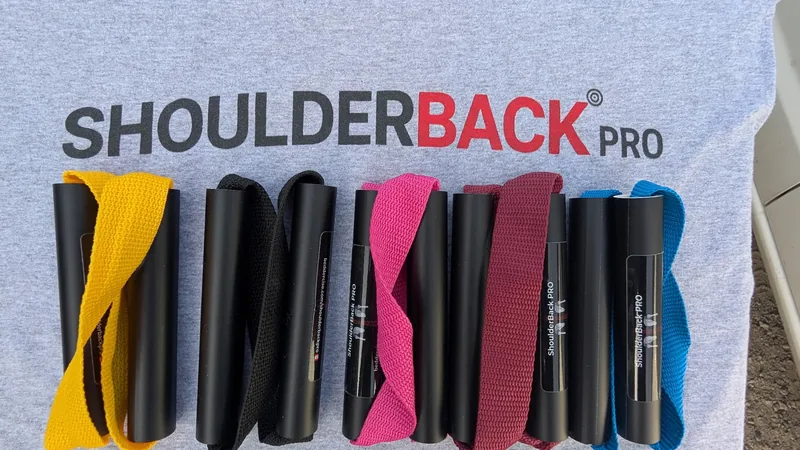
How it works
Bicep Tricep: The Two-Way Arm Glide
Bicep tricep is a two-arm exercise with no weights: one arm curls while the other extends. Learn how it works, what research suggests, and seated options.
4-minute read →
How it works
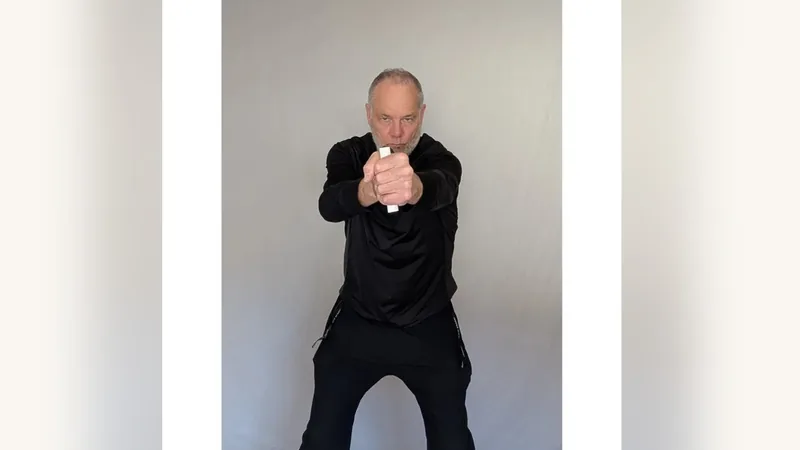
Reading the Strap: What Tension Feedback Teaches You About Your Weaker Side
Many people notice one arm feels different. Learn how two-arm strap feedback helps you notice that, and what it can't tell you about strength.
4-minute read →
How it works
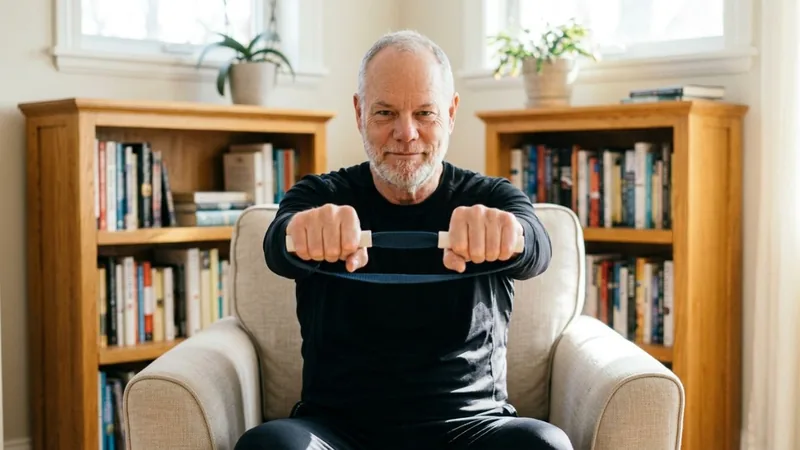
Bear Hugs Me: Opening the Chest and Breathing Wide
Bear Hugs Me is a seated, two-arm chest-opening move. Learn the steps, what the research does and doesn't show, and when to stop.
4-minute read →
How it works
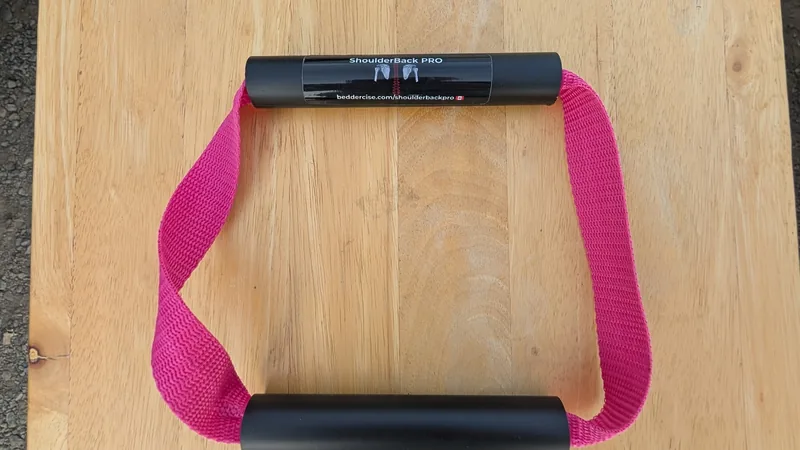
Steering: Gentle Rotation for Deltoids and Rhomboids
Steering turns an imaginary wheel with both arms as a team, working the shoulders gently. Here is how to do it seated or standing, and what to watch for.
4-minute read →
How it works
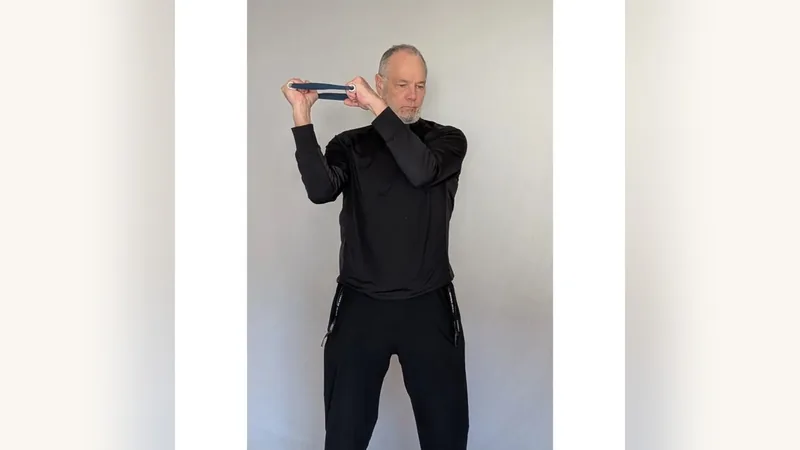
Windshield Wipers: Slow Rotation for the Rotator Cuff
Windshield Wipers is a slow side-to-side shoulder movement for the rotator cuff. Learn the steps, a seated option and the safety cues.
4-minute read →

How it works
What Is Body-Controlled Resistance? A Plain Explanation
Body-controlled resistance means your own body provides the load. Here is how it works, what the research hints at, and where it has limits.
6-minute read →
How it works
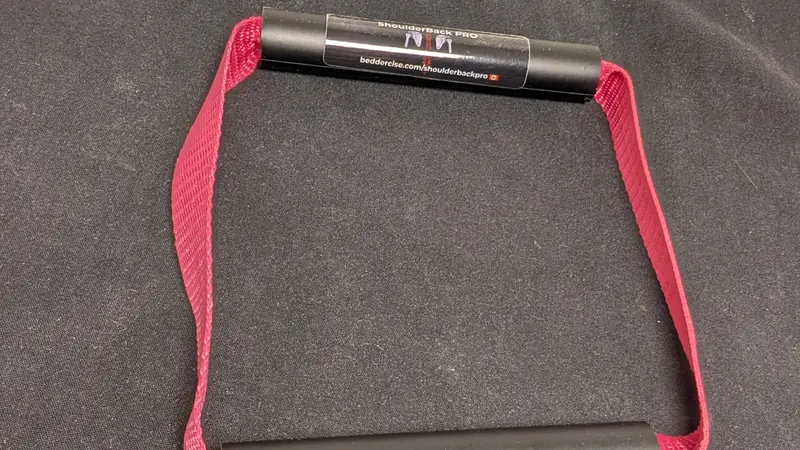
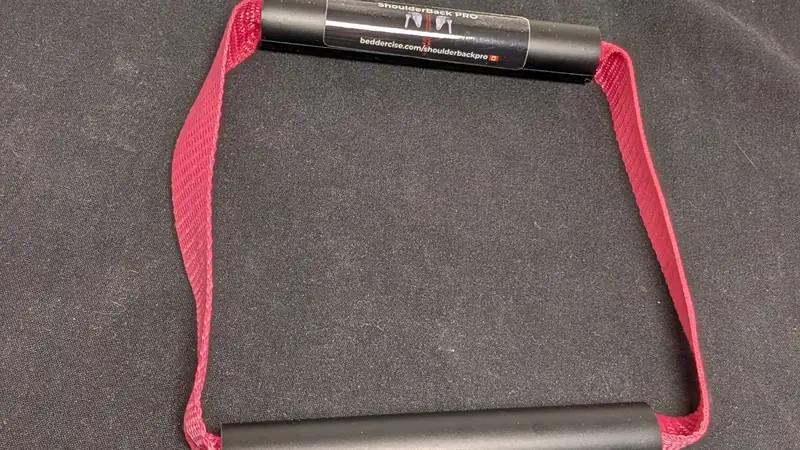
Mechanical Coupling: Why a Fixed-Length Strap Feels Different From a Band
Why a fixed-length strap feels different from an elastic band: the idea of mechanical coupling, what it can and cannot prove, and why it matters.
5-minute read →
How it works
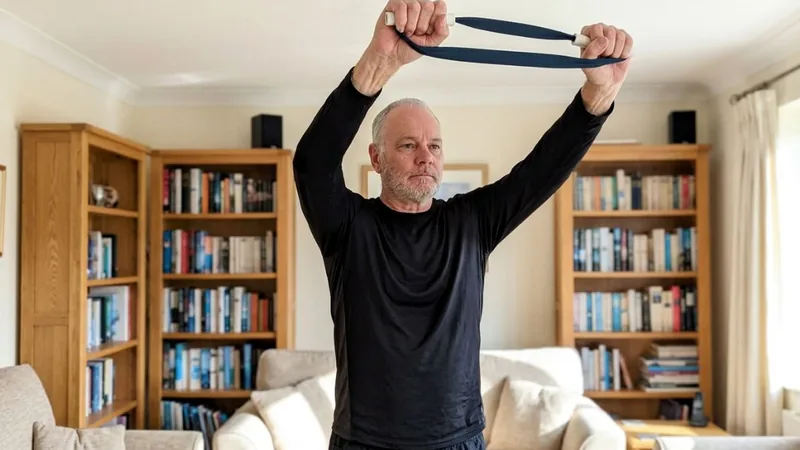
Arm Wrestler: The Seated Internal Pivot for Pecs and Subscapularis
Arm Wrestler is a seated inward-turning move for the chest and front of the shoulder. Learn how to do it gently, and why both arms working together helps.
4-minute read →
How it works
Using SBP as a Warm-Up Before Sport, Gardening or Lifting
How a gentle shoulder warm-up works before sport, gardening or lifting, what the research says, and where a trainer like SBP fits.
4-minute read →