Shoulder anatomy & how it works
25 articles

Essential guide · Anatomy
The 17 Muscles That Attach to Your Shoulder Blade (and What Each One Does)
A plain-language tour of the muscles attached to your shoulder blade, what each group does, and how to train them gently at home.
10-minute read →

Essential guide · Anatomy
How the Shoulder Works: A Plain-Language Guide to the Most Mobile Joint in Your Body
How the shoulder joint, shoulder blade and rotator cuff work as a team, what the research says, and where gentle controlled movement may fit.
11-minute read →

Anatomy
Shoulder Bursa Explained: What a Bursa Does and Why It Gets Irritated
A shoulder bursa is a small cushioning sac. Here is what it does, why it can become irritated, and why a clinician should assess shoulder pain first.
4-minute read →
Anatomy
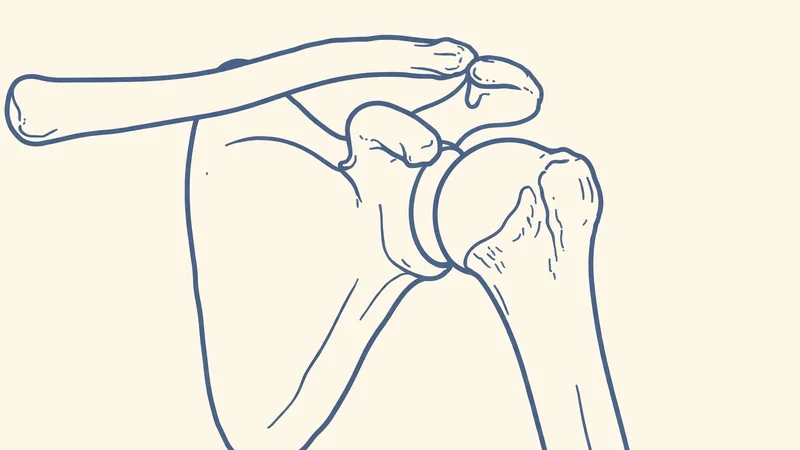
What Is the Subacromial Space and Why Does It Matter?
The subacromial space is a narrow gap above the rotator cuff. Learn what it is, why it matters for shoulder pain, and when to get a professional check.
4-minute read →

Anatomy
The AC Joint: The Small Joint on Top of Your Shoulder
The AC joint sits on top of the shoulder. Learn what can hurt it, why assessment comes first, and where ShoulderBack Pro fits as a later, optional tool.
4-minute read →

Anatomy
Teres Major: The 'Little Lat' and Why It Matters for Reaching Behind You
The teres major is a back muscle that helps your arm reach behind you. Learn how it works, what research says, and a gentle seated option.
4-minute read →

Anatomy
What Is the Shoulder Girdle? Collarbone, Shoulder Blade and Four Joints
The shoulder girdle is the collarbone, shoulder blade and joints that let your arm move. Learn how the parts work together, in plain language.
6-minute read →
Anatomy
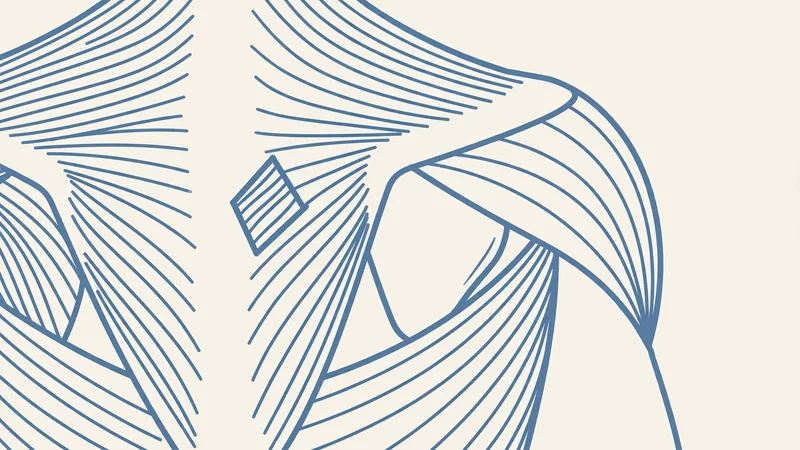
Latissimus Dorsi: How Your Biggest Back Muscle Affects Shoulder Reach
What the latissimus dorsi does, how it helps your shoulder reach overhead, what the evidence does and does not show about lat tightness, and gentle seated moves.
4-minute read →

Anatomy
Rhomboids Explained: Where They Are, What They Do, and Why They Ache
Where your rhomboid muscles sit, what they do for your shoulder blades, and why they often ache. A plain-language answer with seated ideas to try.
4-minute read →

Anatomy
Serratus Anterior: The 'Boxer's Muscle' That Keeps Your Shoulder Blade Flat
The serratus anterior holds your shoulder blade against the ribs. Learn what it does, why it matters for reaching, and a seated way to train it.
4-minute read →

Anatomy
Lower Trapezius: The Under-Trained Muscle for Healthy Overhead Reach
Your lower trapezius helps your shoulder blade turn as you reach overhead. Learn what it does, how to train it gently, and where SBP fits.
4-minute read →
Anatomy
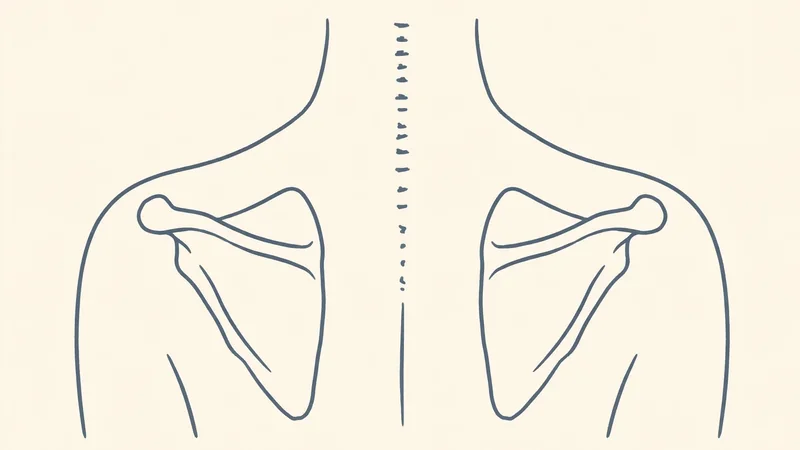
Middle Trapezius: The Muscle That Pulls Your Shoulder Blades Together
The middle trapezius pulls your shoulder blades together. Learn where it is, why it matters, and gentle seated ways to work it.
4-minute read →
Anatomy
Upper Trapezius: Why It Gets Tight From Stress and What Helps
Why the upper trapezius tightens under stress, what the research says about posture and pain, and simple seated moves to try.
4-minute read →

Anatomy
Scapula 101: Why Your Shoulder Blade 'Floats' and What That Means for Movement
The shoulder blade is held by muscle, not bone, so it glides. Learn what that means for movement and simple seated practice.
5-minute read →

Anatomy
Levator Scapulae: The Muscle Behind That Knot in Your Neck
The levator scapulae runs from your neck to your shoulder blade. Learn why it gets tight, what gentle seated moves may help, and when to get checked.
4-minute read →
Anatomy
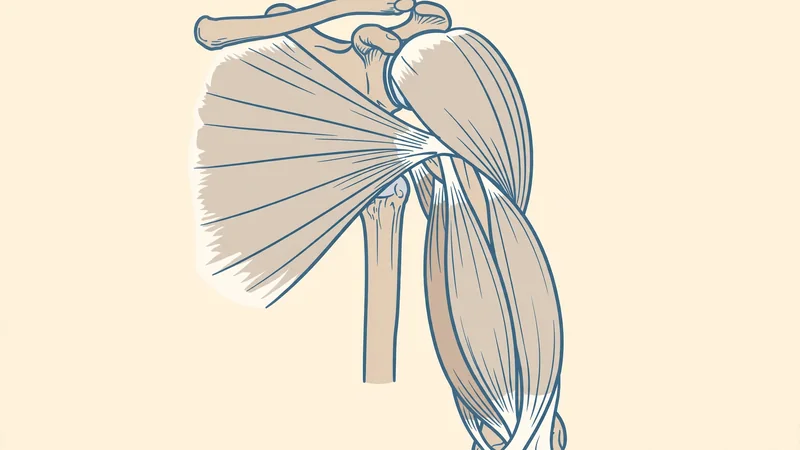
Biceps and the Shoulder: Why Arm Muscles Affect Shoulder Comfort
The biceps tendon starts near the shoulder and can add to front-of-shoulder pain. Learn the warning signs and who should assess it.
4-minute read →

Anatomy
What Does the Rotator Cuff Actually Do? A Simple Guide
The rotator cuff steadies your shoulder while you reach and lift. Here is what it does, what the research shows, and when to get checked.
6-minute read →

Anatomy
The Scapulohumeral Rhythm: How Shoulder Blade and Arm Move Together
The scapulohumeral rhythm is how your shoulder blade and arm move together. Here is what it means and how to train it at home, seated or standing.
6-minute read →
Anatomy
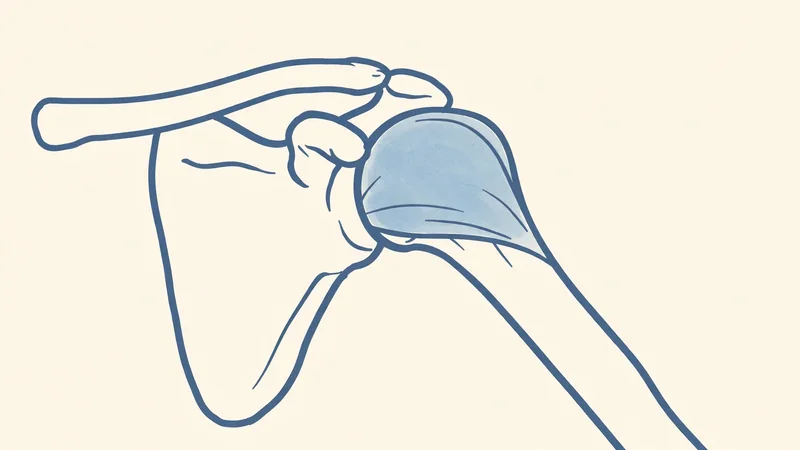
Deltoid Muscle Guide: Front, Side and Rear, in Plain English
The deltoid is the rounded muscle over your shoulder. Learn its three parts, what each does, and how to train them safely.
4-minute read →
Anatomy
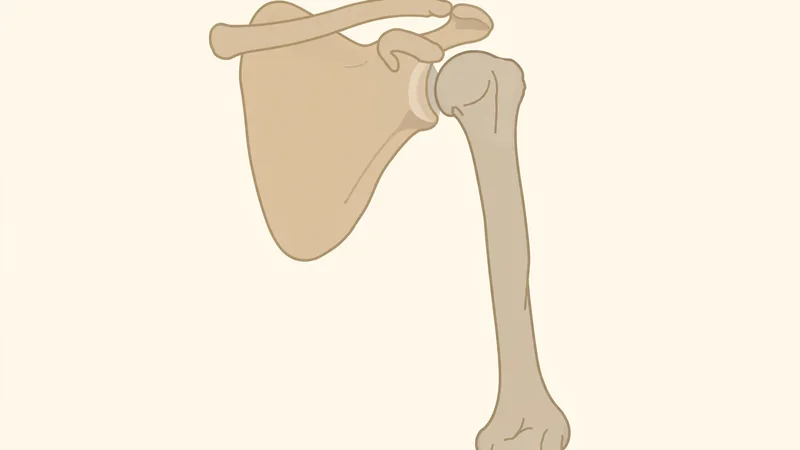
Subscapularis: The Hidden Rotator Cuff Muscle on the Front of Your Shoulder Blade
What is the subscapularis? Learn where this rotator cuff muscle sits, what it does, what research says about exercise, and simple seated ways to train it.
3-minute read →

Anatomy
Teres Minor: The Rotator Cuff Muscle Nobody Talks About
The teres minor is a small rotator cuff muscle at the back of the shoulder. Here is what it does, what the research says, and who can assess it.
4-minute read →
Anatomy
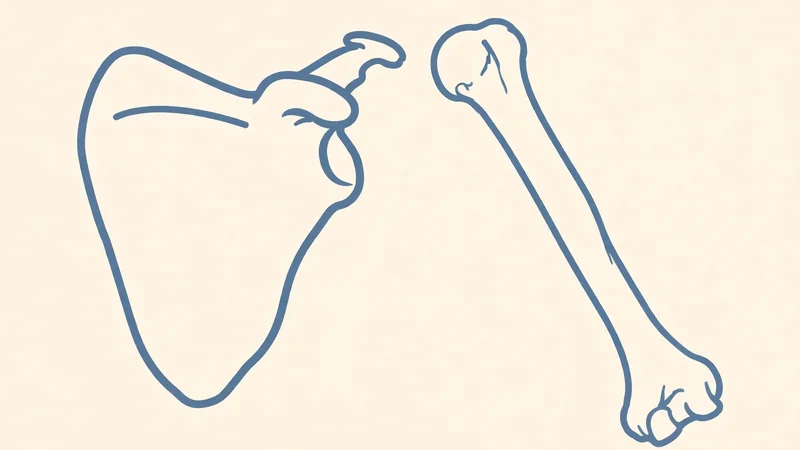
Infraspinatus Explained: Why Your Shoulder Needs External Rotation
The infraspinatus helps turn your arm outward and steadies the shoulder. Learn what it does, what the research says, and a gentle seated way to work it.
5-minute read →
Anatomy
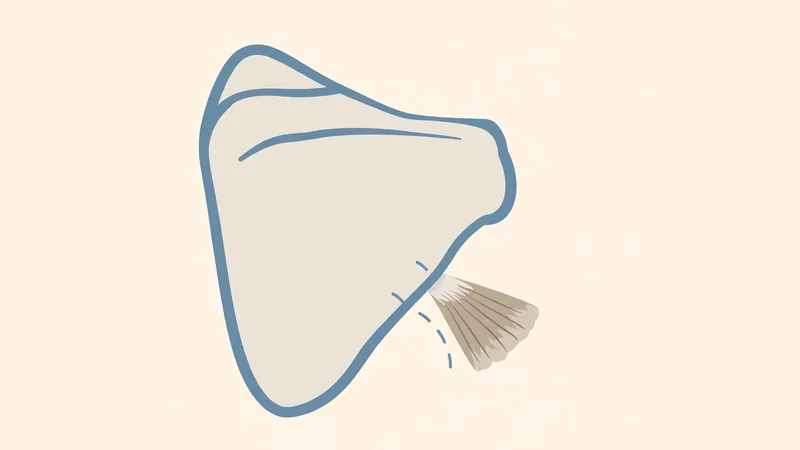
Pectoralis Minor: The Small Chest Muscle That Pulls Shoulders Forward
Pectoralis minor is a small chest muscle linked to rounded shoulders. Learn what it does, what the evidence says, and gentle seated ways to move.
4-minute read →

Anatomy
Supraspinatus: The Small Muscle Behind Big Shoulder Problems
What the supraspinatus does, why it gets named in shoulder pain, and how gentle, controlled movement fits. Plain language, with clinician guidance.
4-minute read →