Coordination, control & how ShoulderBack Pro works
Dumbbell Raise (Weightless Lateral Glide): Supraspinatus Without the Dumbbell
4-minute read · Published June 13, 2025 · Updated June 13, 2025
Why this happens
Lifting your arm out to the side is a team effort. The deltoid, the rounded muscle on the outside of the shoulder, does much of the visible work. The supraspinatus, a rotator cuff muscle that sits on top of the shoulder blade, is generally described as helping to start the lift and keep the ball of the joint centred in its socket.
When a sideways lift feels weak, wobbly or painful, the cause can be load, control, or several other things. Only a clinician can sort that out. This article describes a movement pattern, not a diagnosis.
The dumbbell raise asks you to do this movement slowly, sometimes with a weight. The weightless lateral glide keeps the path and the control, and it takes the external load away. That makes it easier to notice how the arm moves.
What the research says
- Progressive, resisted exercise probably makes a modest difference rotator cuff-related shoulder pain. Gentle, unloaded movement alone probably does not move the needle on pain [R01].
- Programs that teach control and coordination may reduce disability slightly more than generic exercise, in the short and medium term. Researchers do not fully know why [R02].
What you can do
- Sit or stand tall. Let your arms hang by your sides and relax your shoulders.
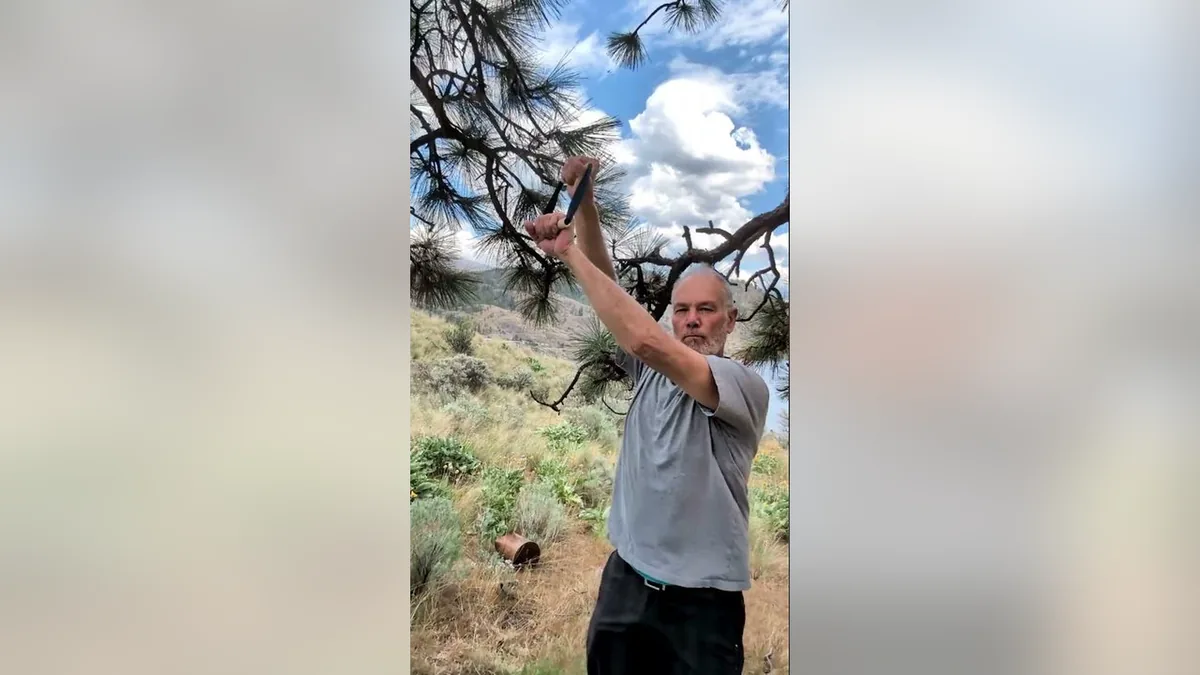
- Lift one arm slowly out to the side. Stop at a height that feels comfortable. You do not need to go high.
- Lower slowly. The slow lowering is where much of the control work happens.
- Stay in a pain-free range. Stop before any sharp pinch or painful arc.
- Repeat on the other side. Notice whether one side feels different. Mention that to your clinician if it persists.
- Build gradually. When the movement feels steady, resist a little harder with the other arm, lift through a bit more range, or add repetitions. Many people start seated, with back support, and move to standing later.
Where ShoulderBack Pro fits — and where it doesn't
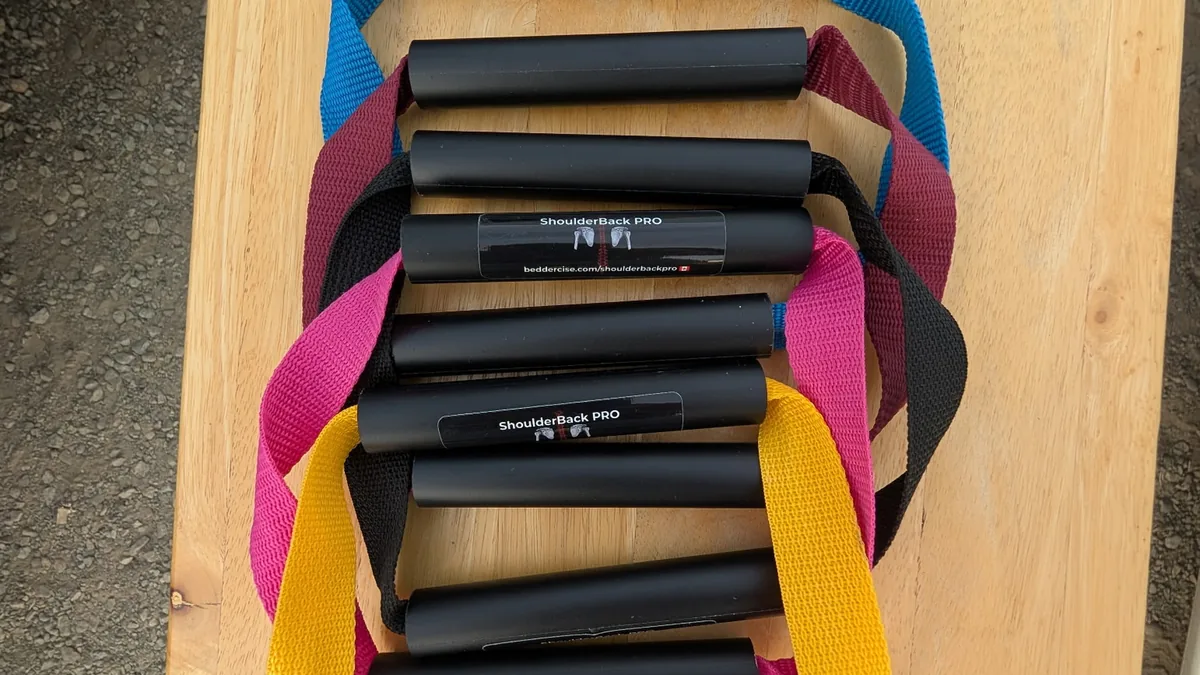
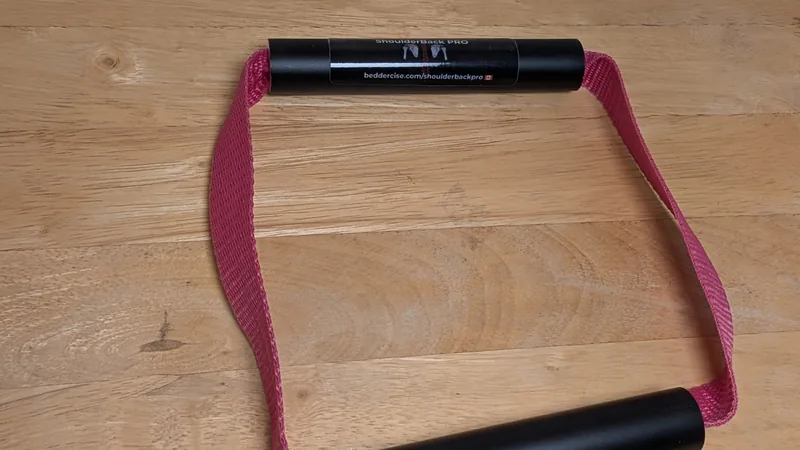
This is the Dumbbell Raise lesson in ShoulderBack Pro, which the site lists as working the supraspinatus and lateral deltoid. There is no weight: the other arm supplies the resistance as the lifting arm moves slowly out to the side, and you set the effort and range. It works seated or standing, and the 16 video lessons are free.
It is not a medical device and not a treatment, and there is no trial evidence about it specifically. As you progress, a clinician may suggest a band or weights instead, which is a sensible path. The trainer is $29 CAD with a 30-day guarantee.
When to see a professional
The red flags below follow standard shoulder-care guidance [R30]. If any of them apply, get assessed before you keep moving through the area.
See a doctor or physiotherapist promptly if you have: pain after a fall or injury with sudden weakness or loss of movement; a shoulder that looks deformed, very swollen or bruised; fever or feeling unwell alongside the pain; chest pain or breathlessness (call emergency services); constant pain that doesn't change with rest or activity; pain that wakes you most nights; numbness, tingling or weakness into the arm or hand; pain in several joints at once; or pain that hasn't improved after a couple of weeks of sensible self-care.
A sideways lift that catches, pinches or gives way is a reason to book a clinician visit. A doctor or physiotherapist is the right person to diagnose the cause.
Try this movement
All 16 video lessons →Frequently asked questions
Is a weightless raise enough to strengthen the shoulder?
It depends on the person. Progressive, resisted exercise has the better research support [R01], and control matters too [R02]. Talk to a clinician about the right level for you.
Why does my arm pinch when I lift it to the side?
A pinch or a painful arc deserves a check by a clinician. It is a pattern to report, not a diagnosis you can make yourself.
Can I do the weightless raise seated?
Yes. Sitting tall in a chair with back support is a common place to start, and it keeps the movement easy to control.
Sources
- Naunton J et al. (2020). Effectiveness of progressive and resisted and non-progressive or non-resisted exercise in rotator cuff related shoulder pain: systematic review and meta-analysis of RCTs. Clinical Rehabilitation. https://search.pedro.org.au/search-results/record-detail/61404
- Dubé M-O et al. (2024). The Efficacy of Exercise Therapy for Rotator Cuff-Related Shoulder Pain According to the FITT Principle: Systematic Review With Meta-analyses. JOSPT. https://pubmed.ncbi.nlm.nih.gov/38848304/
- NHS Greater Glasgow & Clyde, Shoulder red flags; NHS MPFT self-help, Shoulder pain; BESS/BOA pathway summary (2021). https://www.nhsggc.scot/page_category/services/page/33
More in this topic
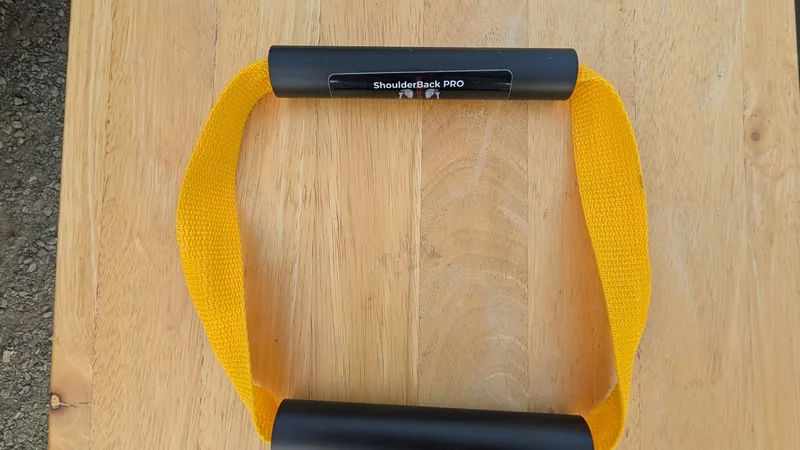 Essential guide: How ShoulderBack Pro Works: One Device, Two Connected Handles, Your Own Resistance
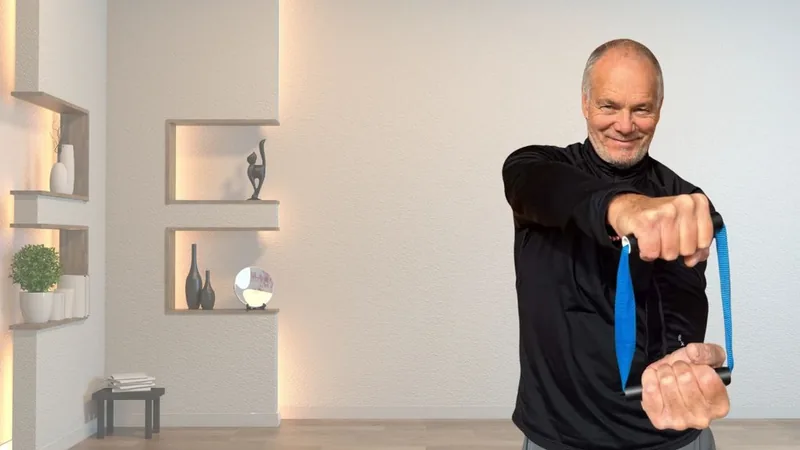 Pairing SBP With Walking: The Simplest Whole-Body Routine for Active Aging
 Locomotive: Rolling Circles for the Upper Back and Rear Cuff
 Overhead Press (High Shelf Reach): Trapezius and Deltoids Without a Weight