Science explainers & myth-busting
24 articles

Essential guide · Science
10 Shoulder Myths Debunked: Posture, Popping, Pain and 'Wear and Tear'
Shoulder myths about posture, popping, pain and wear and tear can cause worry or harm. See what the evidence says and what to do instead.
9-minute read →

Science
The Science of Warm-Ups: Temperature, Nerves and Tendons
Warm-ups prepare joints and muscles for harder work. Here is what research supports, what is still unclear, and a gentle seated warm-up for shoulders.
4-minute read →

Science
Bilateral Deficit: Why Two Arms Together Produce Less Than Two Alone (and Why That's Fine)
Two arms together can produce less force than each arm alone. Learn what bilateral deficit means, why it is normal, and how two-arm training still helps.
4-minute read →

Science
Menopause and Joint Pain: What's Known in 2026
Some people notice more joint aches during menopause. Here is what our sources can and cannot say, and what strength and movement can do.
6-minute read →

Science
Why Women's Shoulders Are Different: Hormones, Frozen Shoulder and Strength
Shoulder pain and frozen shoulder show up differently across life stages. Learn what research says about strength, mobility and when to get checked.
6-minute read →

Science
Posture Science: The Difference Between Correlation and Cause
Posture and shoulder pain often appear together. Here is what research can and can't say about cause, and what to try.
5-minute read →

Science
Why 'Wear and Tear' Is the Wrong Way to Think About Aging Joints
Joints change with age, but change is not destiny. What strength, mobility and posture research says about aging shoulders, and what to do.
6-minute read →

Science
Why Gentle Exercise Without Resistance Often Fails to Reduce Pain
Gentle, unloaded shoulder movement often does not reduce pain. Exercise that adds resistance and progresses over time probably helps more. Here is why.
6-minute read →

Science
How Much Exercise Is Enough? Dose, Response and the Point of Diminishing Returns
Shoulder exercise works by dose: how often, how hard and how long. Here is what the research supports, and where the evidence is still thin.
6-minute read →

Science
Nocebo: How Scary Words From Doctors and Google Can Make Pain Worse
What the nocebo effect is, why scary words can make shoulder pain feel worse, what the evidence shows, and how to ask for plain-language answers.
4-minute read →

Science
Inflammation Explained: Acute vs Chronic, Friend vs Foe
Inflammation helps healing, but long-term inflammation differs. Learn the difference, what the evidence says about diet and supplements, and when to ask a doctor.
6-minute read →
Science
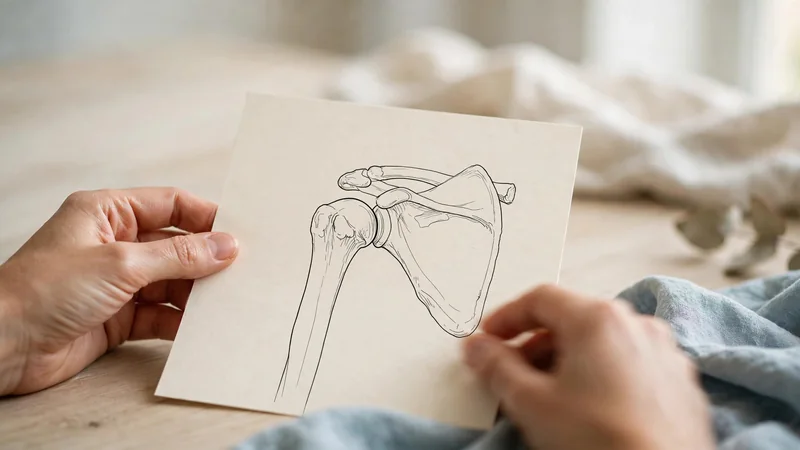
The Shoulder 'Impingement' Debate: Why Surgeons Changed Their Minds
Impingement is an older label for shoulder pain that is now grouped more broadly. Here is what the research supports and what to ask a clinician.
6-minute read →

Science
Does Stretching Make Muscles Longer? (Spoiler: It's Mostly Your Nervous System)
Stretching may change how you feel range more than how long a muscle is. Learn the nervous system explanation and what to try for stiff shoulders.
3-minute read →

Science
Tendons Adapt Slowly: Why Patience Is a Training Variable
Tendons respond to training over weeks, not days. Learn why patience matters, how progressive loading works, and what a clinician can add.
6-minute read →

Science
What Happens to Muscles After Two Weeks of Not Moving (Hospital Stays, Illness, Casts)
Muscles weaken when they are not used. Learn what happens after a hospital stay, illness or cast, and how to restart movement safely.
6-minute read →

Science
Why Both Sides of the Body Learn From Each Other (Cross-Education)
Training one arm can help the other, an effect called cross-education. Learn what the research shows, why it matters, and how to use it at home.
6-minute read →

Science
Pain Science 101: Why Your Brain Decides How Much a Shoulder Hurts
Pain comes from the nervous system as well as tissue. Learn how stress, sleep and movement change shoulder pain, and when to get it checked.
6-minute read →

Science
What Is Proprioception and Why Does It Fade With Age (Unless You Use It)?
Proprioception is your sense of where your joints are without looking. Research links it to shoulder problems, and training can help it.
5-minute read →

Science
Neuroplasticity and Movement After 60: Your Nervous System Still Learns
Can movement still rewire your nervous system after 60? What the research says, what it doesn't, and one shoulder exercise to try.
6-minute read →

Science
Muscle Memory Is Real: How the Brain Relearns Movement at Any Age
Muscle memory is real. Learn how the brain relearns shoulder movement at any age, what the research shows, and seated ways to practise safely.
6-minute read →

Science
Why Scans Often Show 'Tears' in Pain-Free Shoulders
Scans often show shoulder changes in people with no pain. Here is what those findings mean, what they don't, and who can read yours.
6-minute read →

Science
Hurt vs Harm: Why Pain Doesn't Always Mean Damage
Pain is an alarm, not a damage meter. Learn how hurt differs from harm, how to read shoulder signals, and when pain needs a professional's check.
6-minute read →

Science
Does Cracking Your Shoulder Cause Arthritis? What Joint Sounds Mean
Shoulder clicks are common. Learn what joint sounds usually mean, what the evidence does and doesn't show, and when to get your shoulder checked.
4-minute read →

Science
Why Movement Reduces Stiffness: Synovial Fluid, Blood Flow and the 'Motion Is Lotion' Idea
Is motion really lotion for stiff joints? Here is the popular fluid and blood flow story, what the research shows, and how to move gently.
6-minute read →