Coordination, control & how ShoulderBack Pro works
Resisting Arrest: The Gentle Behind-the-Back Extension
4-minute read · Published May 28, 2025 · Updated May 28, 2025
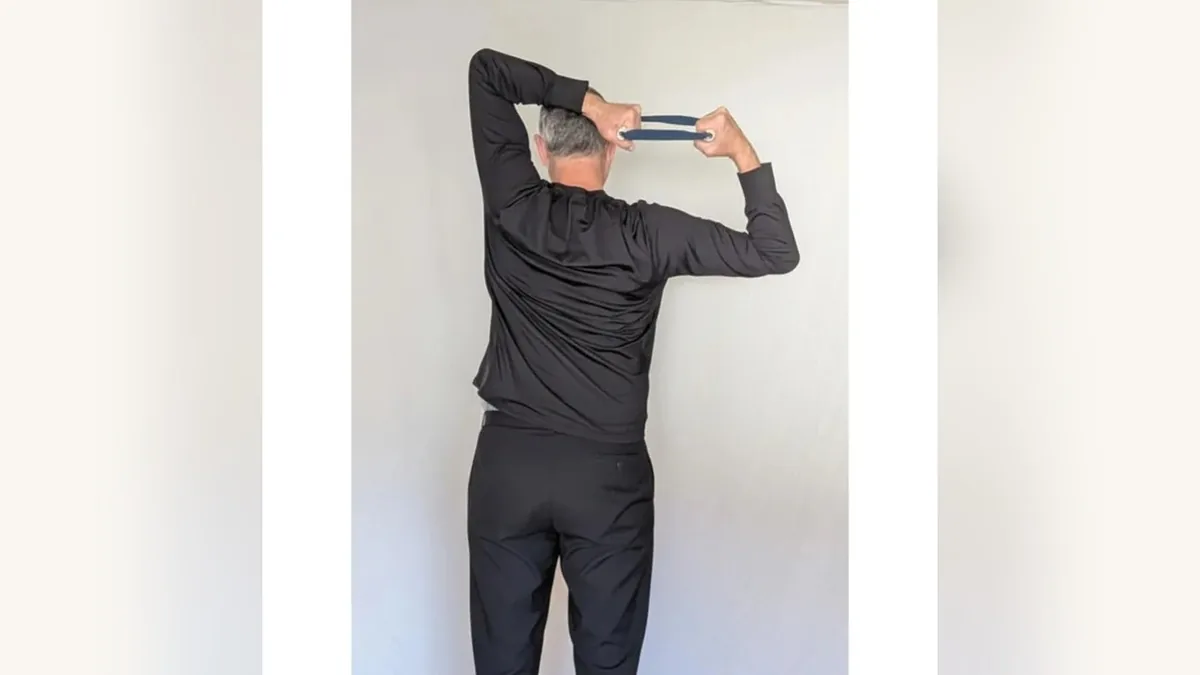
What this movement is
The lats (latissimus dorsi) are the broad muscles of the mid and lower back. The shoulder blade depressors are the muscles that draw the blade down and keep it steady. This movement asks both groups to work while the arms travel behind you.
Because the trainer is fixed-length and does not stretch, the effort comes from you. One arm assists, the other resists, and you set the pace and the range. More on how that works is in how the trainer works.
What the research says
Resisted exercise that gets a little harder over the weeks probably helps rotator cuff-related shoulder pain. Gentle, unloaded movement alone probably does not move pain much [R01].
Exercises that train the shoulder blade, called scapular stabilization, improved pain and function in a 2025 review [R03]. Rehab often moves in stages, from range of motion to strength to control and coordination [R16]. The research is about exercise in general, not about this specific movement.
What you can do
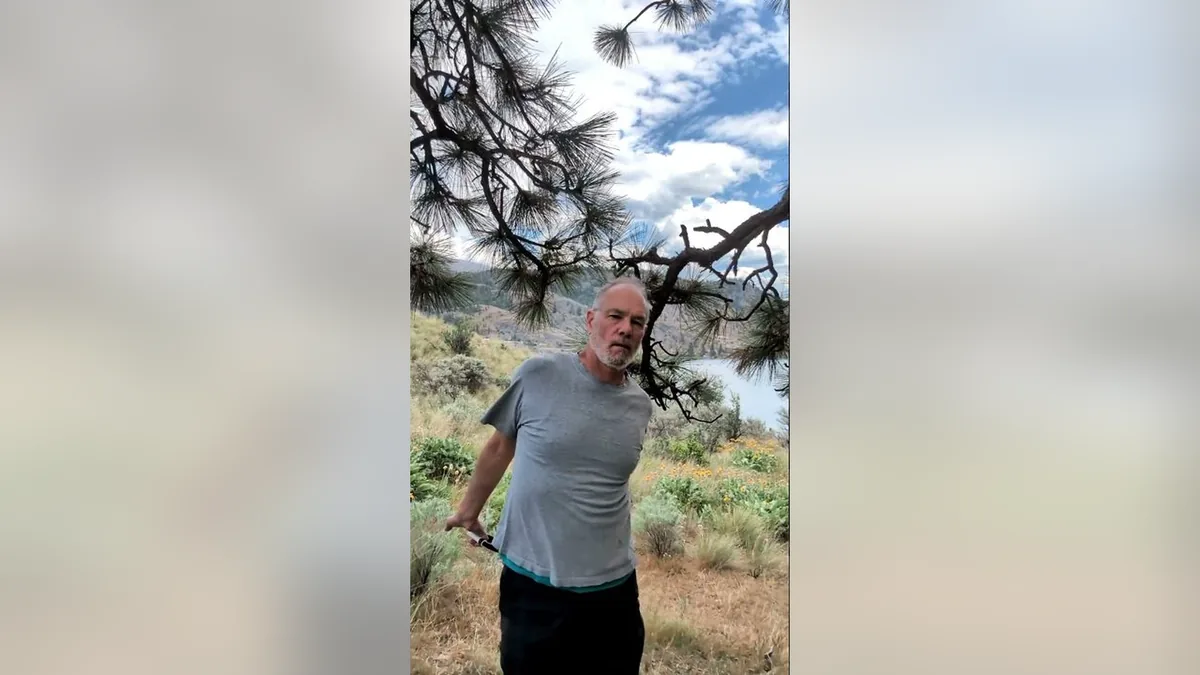
- Sit tall. Use an armchair with your back supported and feet flat on the floor.
- Hold the trainer behind your back. Keep it low, near your lower back, so the reach stays small.
- Glide your hands apart slowly. Move only as far as feels comfortable.
- Bring them back together with control. Keep your ribs down and your neck relaxed.
- Keep the effort low. A few slow reps are enough to start. Notice how the shoulder feels later that day.
- Standing option. Once seated feels steady, try it standing with feet hip-width apart.
If the movement feels sharp, pinches or makes numbness or tingling appear, stop. Do not push a stiff shoulder into a deeper reach. If your shoulder is stiff and hard to move in every direction, that can be frozen shoulder. Research does not support simply waiting it out [R19], so have a clinician assess it.
To progress, resist a little harder with the assisting arm, glide through a bit more range, or do slightly longer sets, one change at a time.
Where ShoulderBack Pro fits — and where it doesn't
Resisting Arrest is one of the 16 guided movements in ShoulderBack Pro, and it suits this job well: the trainer sits behind you, your other arm provides the resistance, and you choose the effort. It is for people already cleared for gentle, controlled shoulder movement.
It is a simple movement tool, not a treatment; nobody has run a clinical trial on it. If reaching behind your back is painful or limited, skip the move and ask your clinician.
Watch the lesson in the free routines library. To get your own, order the trainer ($29 CAD, with a 30-day guarantee).
When to see a professional
See a doctor or physiotherapist promptly if you have: pain after a fall or injury with sudden weakness or loss of movement; a shoulder that looks deformed, very swollen or bruised; fever or feeling unwell alongside the pain; chest pain or breathlessness (call emergency services); constant pain that doesn't change with rest or activity; pain that wakes you most nights; numbness, tingling or weakness into the arm or hand; pain in several joints at once; or pain that hasn't improved after a couple of weeks of sensible self-care.
Only a doctor or physiotherapist can diagnose the cause of shoulder pain. This article does not diagnose anything.
Try this movement
All 16 video lessons →Frequently asked questions
Do I need to reach far behind my back?
No. Only go as far as feels comfortable. Reaching behind your back is not a flexibility test, and a smaller range is fine.
Can I do it sitting down?
Yes. Sit in an armchair with your back supported, and keep the effort low until the movement feels steady.
Is this safe with a frozen or painful shoulder?
Not without a clinician's advice first. Frozen shoulder needs a proper assessment, and this move asks a lot of a stiff joint.
Sources
- Naunton J et al. (2020). Effectiveness of progressive and resisted and non-progressive or non-resisted exercise in rotator cuff related shoulder pain: systematic review and meta-analysis of RCTs. Clinical Rehabilitation. https://search.pedro.org.au/search-results/record-detail/61404
- Frontiers in Bioengineering & Biotechnology (2025). Specific modes of exercise to improve rotator cuff-related shoulder pain: systematic review and meta-analysis. PROSPERO CRD42024550602. https://pmc.ncbi.nlm.nih.gov/articles/PMC12011739/
- Mureşan et al. (2022). Effects of a novel proprioceptive rehabilitation device on shoulder joint position sense, pain and function. Medicina. https://www.ncbi.nlm.nih.gov/pmc/articles/PMC9505091/
- Wong CK et al. (2017). Natural history of frozen shoulder: fact or fiction? A systematic review. Physiotherapy 103(1):40-47. https://pubmed.ncbi.nlm.nih.gov/27641499/
More in this topic
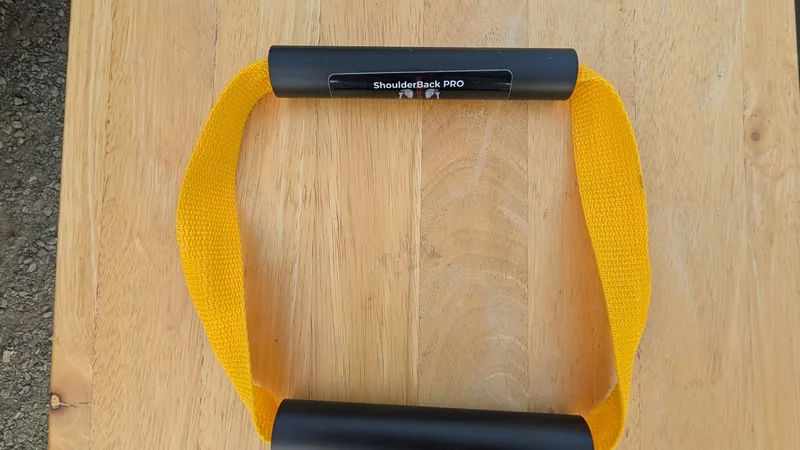 Essential guide: How ShoulderBack Pro Works: One Device, Two Connected Handles, Your Own Resistance
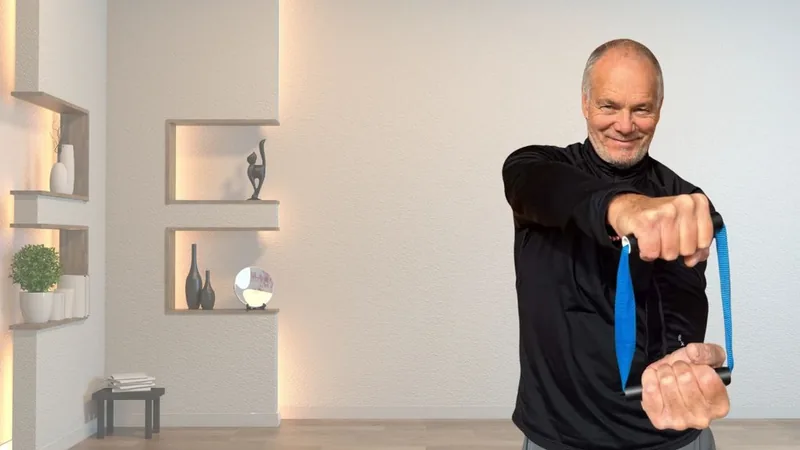 Pairing SBP With Walking: The Simplest Whole-Body Routine for Active Aging
 Locomotive: Rolling Circles for the Upper Back and Rear Cuff
 Overhead Press (High Shelf Reach): Trapezius and Deltoids Without a Weight