Ancient wisdom & traditional movement practices
The Chinese Medicine Clock and Morning Movement: Fun Framing, Real Habit
4-minute read · Published October 15, 2026 · Updated October 15, 2026
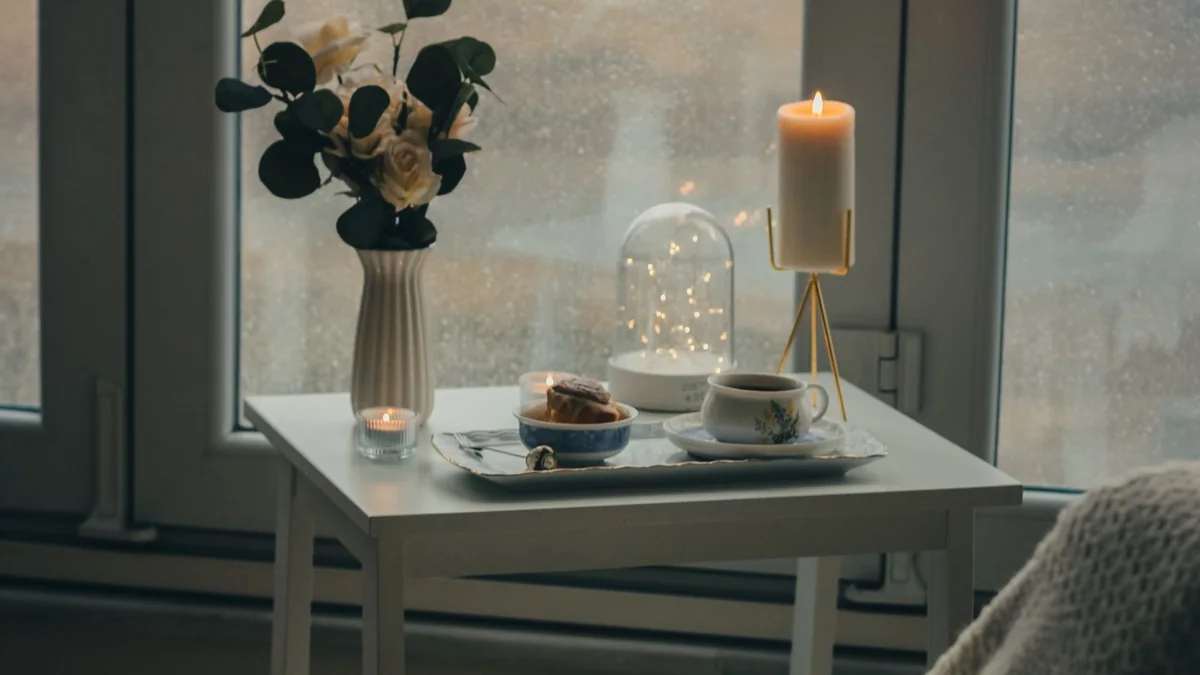
What the clock is
Traditional Chinese medicine (TCM) is a healing system with roots in ancient China. One of its best-known ideas is the "organ clock." It says life energy moves through the body's organs in a set order across the 24 hours of the day. Each organ has its own window.
It is a charming story, and it gives people a reason to notice their daily rhythms. It is a traditional framework, not a tested measurement of shoulder movement. This article is part of our ancient wisdom guide.
What the research says
There isn't strong research on whether one hour of the day suits shoulder movement better than another, so the clock can't be confirmed or ruled out.
What modern research does support is regular activity. The WHO advises adults to build up to 150 to 300 minutes of moderate activity a week, plus muscle-strengthening work on at least two days. Its message is that "every move counts" [R07].
Traditional practices with modern trials point the same way. Tai Chi and Qigong may help adults aged 55 and over with physical function and fall risk [R10]. See our Tai Chi for shoulders guide.
What you can do
- Choose a time you already have. Many people find mornings easiest, before the day fills up. Evenings work too if that is when you are free.
- Start with a few minutes. Sit tall in an armchair, or stand if you prefer. Try one large, slow circle in front of you with both arms, as in "Around the World."
- Keep it easy. Stop before any sharp or pinching pain. Breathe calmly the whole time.
- Ask first if you have a shoulder condition. A clinician can tell you what is safe to add.
Where ShoulderBack Pro fits, and where it doesn't
If a morning habit appeals, Around the World is a good fit. It is one large, unhurried circle in front of you, designed to work the serratus anterior and lower trapezius, with your other arm supplying the resistance. You can do it seated. It is a wellness tool, not a treatment for stiffness or pain, and there are no clinical trials of it. Watch the Around the World lesson first; the trainer is optional.
When to see a professional
See a doctor or physiotherapist promptly if you have: pain after a fall or injury with sudden weakness or loss of movement; a shoulder that looks deformed, very swollen or bruised; fever or feeling unwell alongside the pain; chest pain or breathlessness (call emergency services); constant pain that doesn't change with rest or activity; pain that wakes you most nights; numbness, tingling or weakness into the arm or hand; pain in several joints at once; or pain that hasn't improved after a couple of weeks of sensible self-care.
Try this movement
Around the World (circles, both arms) →Frequently asked questions
Is the Chinese medicine clock scientifically proven?
No. It is a traditional framework. We found no research testing whether one hour of the day suits shoulder movement better than another.
Is there a best time of day to exercise my shoulders?
The research points to regular activity you enjoy, not a specific hour. The best time is the one you will keep doing.
Can I start Around the World if my shoulders feel stiff in the morning?
Start small and seated, and keep the circles slow. If pain is sharp, or it lasts more than a couple of weeks, see a clinician before you go further.
Sources
- WHO (2020). Guidelines on physical activity and sedentary behaviour. https://www.sydney.edu.au/news-opinion/news/2020/11/26/new-global-guidelines-on-physical-activity-and-sedentary-behavio.html
- Rogers CE, Larkey LK, Keller C (2009). A review of clinical trials of tai chi and qigong in older adults. West J Nurs Res 31(2):245-79. 36 reports, 3,799 participants. https://qigonginstitute.org/abstract-print/4690
More in this topic
 Essential guide: Ancient Wisdom for Strong Shoulders: What Traditional Movement Got Right (and What Science Adds)
 Cold Water and Shoulders: From Nordic Plunges to Modern Ice Baths
 Ancient Massage Traditions: Thai, Tui Na, Lomi Lomi — Comfort vs Proof
 Hanging and Brachiation: Why Our Primate Shoulders Love to Reach