Ancient wisdom & traditional movement practices
Tai Chi for Shoulders: Slow, Circular, Both Arms — and Backed by Trials
6-minute read · Published February 27, 2025 · Updated February 27, 2025
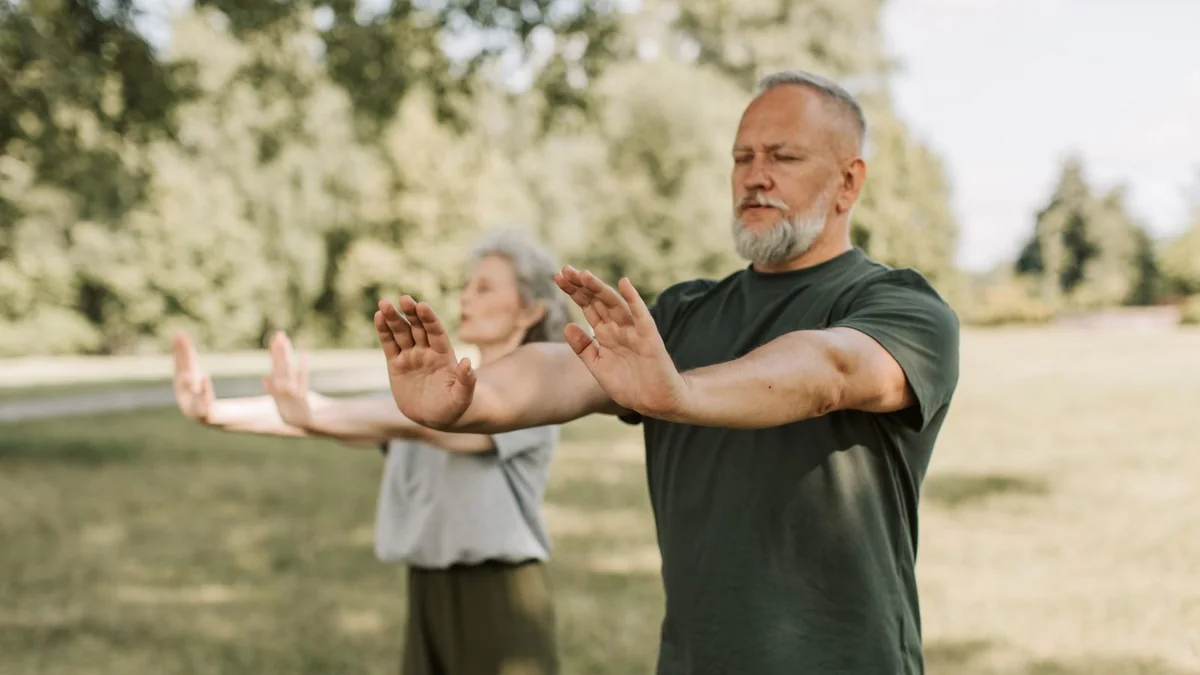
Where tai chi comes from
Tai chi and qigong come from Chinese martial and health traditions. They are built on slow, circular movement, steady breathing and shifting weight from one leg to the other. Many people practise them today for balance, calm and general wellbeing.
Historians debate how old the forms are, and the versions most people practise today are shaped by more recent teaching. So it is fair to honour the tradition while being careful with the word "ancient." Tradition tells us the practice has lasted. It does not prove that any specific movement works for a specific shoulder problem. For that, we need trials.
Why this happens: what slow circles do
Tai chi shares ideas with much rehabilitation work: gentle, repeated movement through range, coordination between the two sides of the body, and control of the trunk and shoulder blades. The arms move in large arcs and the body turns with them, so the shoulder blades and nearby muscles are asked to stay coordinated, which is one reason it may help.
This is not the same as heavy strengthening. Tai chi is mostly unresisted movement, so any effect on the shoulder is thought to come from mobility, coordination and control.
What the research says
- A review of clinical trials in older adults found that tai chi and qigong may help physical function and reduce blood pressure, fall risk, depression and anxiety. The review covered 36 reports and nearly 3,800 participants [R10].
- In a seven-week Tai Chi softball program, older adults improved upper-limb function, including shoulder mobility, arm strength, grip and fine motor control. The study had modest quality, so treat it as encouraging rather than conclusive [R13].
- For rotator-cuff-related shoulder pain, resisted, progressive exercise has better support than unloaded movement alone [R01]. Tai chi is not that kind of program, so it works best as a complement to strength work, not a replacement.
What you can do
- Start with a class led by a qualified instructor. Tell them about any shoulder problem before you begin.
- Practise a single, large circle with one arm at a time, keeping the movement slow and within comfort.
- Add a light breathing rhythm. Breathe in as the arms open and breathe out as they return.
- Seated option: sit tall on a chair with feet flat, and make smaller circles with the arms. Many classes offer seated versions.
- Practise a few minutes most days, rather than one long session each week.
- Pair it with some strength work, such as chair-based shoulder movement, to cover the part tai chi does not.
Where ShoulderBack Pro fits — and where it doesn't
Around the World is the closest match among the 16 movements: one large, unhurried circle in front of you, like a tai chi arm circle. The difference is that the other arm adds resistance you control, so you can progress by resisting harder, circling through more range or doing longer sets. It works seated or standing. It's a wellness tool with no clinical trials behind it, so it is not a treatment for any condition, so it doesn't replace a class or a physiotherapist's plan. The movement is on the routines page, and the trainer is $29 CAD with a 30-day guarantee. For more on the traditions, read Qigong shoulder movements or Yoga for shoulder mobility after 60. The full picture is in ancient wisdom for strong shoulders.
When to see a professional
See a doctor or physiotherapist promptly if you have: pain after a fall or injury with sudden weakness or loss of movement; a shoulder that looks deformed, very swollen or bruised; fever or feeling unwell alongside the pain; chest pain or breathlessness (call emergency services); constant pain that doesn't change with rest or activity; pain that wakes you most nights; numbness, tingling or weakness into the arm or hand; pain in several joints at once; or pain that hasn't improved after a couple of weeks of sensible self-care.
A doctor or physiotherapist diagnoses any shoulder condition. Ask them whether tai chi is right for you before you start.
Try this movement
Around the World (circles, both arms) →Frequently asked questions
Is tai chi good for shoulders?
Some trials in older adults report better shoulder mobility and arm function with tai chi-based programs. The studies are small and of modest quality, so think of tai chi as a helpful addition rather than a fix.
Can I do tai chi seated?
Many classes offer seated versions. Ask an instructor for one, and keep the arm circles small and comfortable.
Is tai chi the same as shoulder exercise?
No. Trials of shoulder exercise often use progressive resistance. Tai chi is mostly unresisted, so it complements strength work rather than replacing it.
Is an ancient practice proven?
Not in the sense of a medical treatment. Tai chi has a long cultural history, and modern trials give some evidence for specific outcomes. Those are two different kinds of evidence.
Sources
- Naunton J et al. (2020). Effectiveness of progressive and resisted and non-progressive or non-resisted exercise in rotator cuff related shoulder pain: systematic review and meta-analysis of RCTs. Clinical Rehabilitation. https://search.pedro.org.au/search-results/record-detail/61404
- Rogers CE, Larkey LK, Keller C (2009). A review of clinical trials of tai chi and qigong in older adults. West Journal of Nursing Research 31(2):245-79. https://qigonginstitute.org/abstract-print/4690
- Lou L et al. (2017). Effect of Tai Chi softball on function-related outcomes in older adults: randomised controlled trial. Evidence-Based Complementary and Alternative Medicine. https://search.pedro.org.au/search-results/record-detail/49889
More in this topic
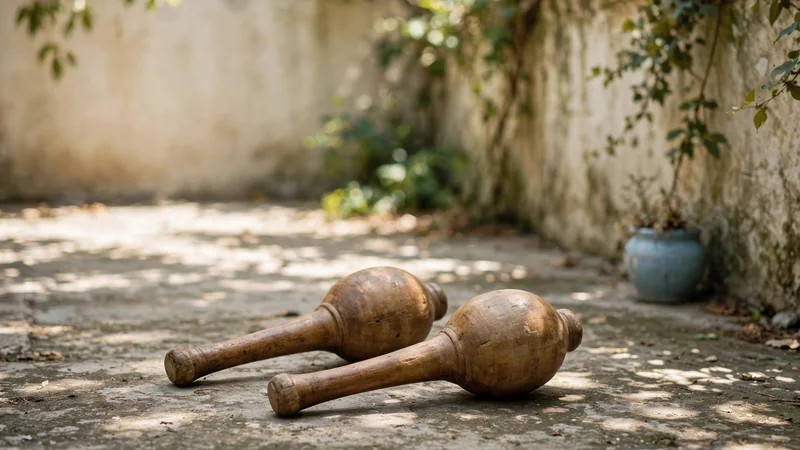 Essential guide: Ancient Wisdom for Strong Shoulders: What Traditional Movement Got Right (and What Science Adds)
 The Chinese Medicine Clock and Morning Movement: Fun Framing, Real Habit
 Cold Water and Shoulders: From Nordic Plunges to Modern Ice Baths
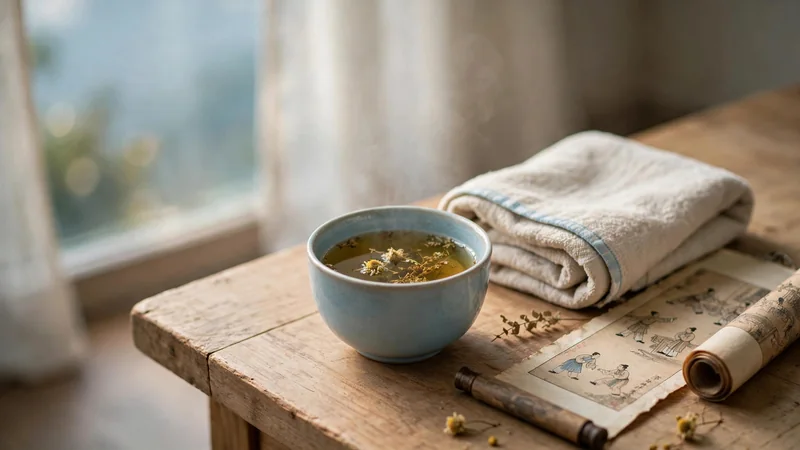 Ancient Massage Traditions: Thai, Tui Na, Lomi Lomi — Comfort vs Proof