Ancient wisdom & traditional movement practices
Ancient Massage Traditions: Thai, Tui Na, Lomi Lomi — Comfort vs Proof
6-minute read · Published September 3, 2026 · Updated September 3, 2026
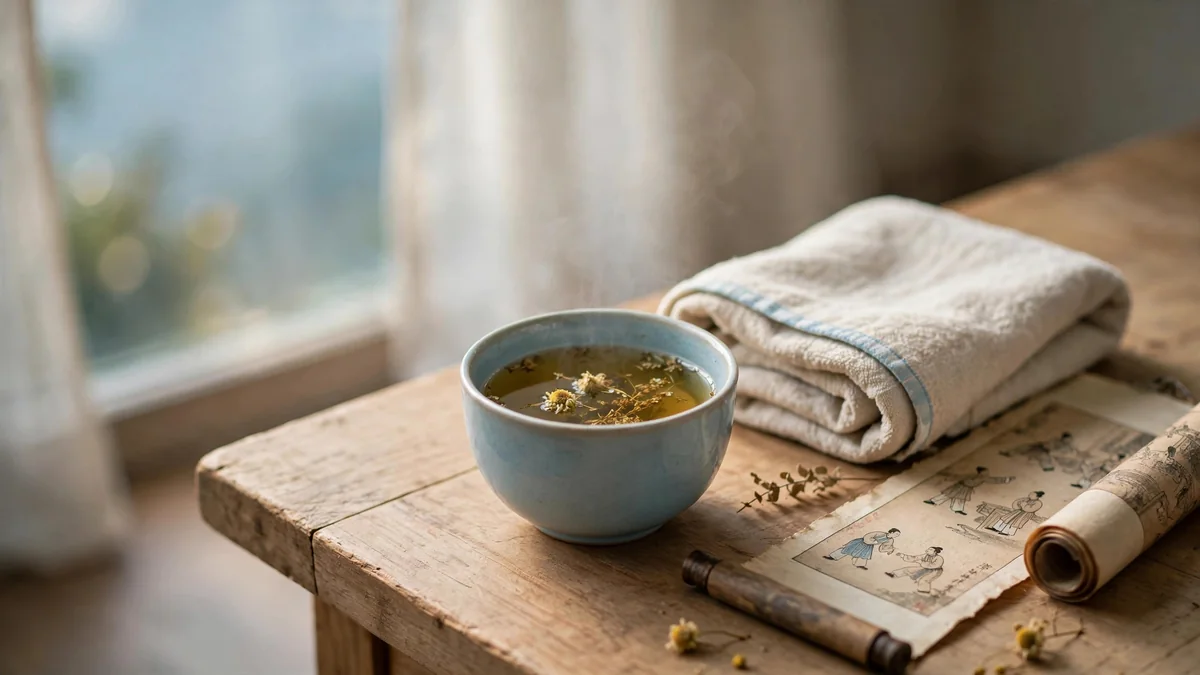
What these traditions are
Thai massage is usually done on a mat. The practitioner guides your body through stretches and gentle pressure, and you stay fully clothed. Tui Na is a Chinese practice that uses pressing, rolling and kneading along the body's muscles and channels. Lomi Lomi is a Hawaiian style built on long, flowing strokes, often with forearms as well as hands.
Each grew inside its own culture, and each has its own goals. Some are about relaxation. Others are about general wellbeing or tradition as much as about any single body part.
A long history is real, but it is not proof. These practices have lasted for generations because people valued how they felt. Modern studies ask a narrower question: does the method change something you can measure? For these three massage styles, there isn't strong research on shoulder pain.
Why people find them helpful
Slow pressure and long strokes often feel like they ease tension. A tight shoulder may feel looser for a while afterward, and that is a real benefit. Comfort matters, especially for people who are stressed or who have been sitting at a desk all day.
It is still a feeling, though. A looser shoulder after a session does not show that the joint, tendon or muscle has changed. Keep those two ideas apart when you judge any treatment, traditional or modern.
What the research says
- Massage-specific evidence is limited. We found no trial of Thai massage, Tui Na or Lomi Lomi for shoulder pain, so there is no reliable effect size. Ask your clinician.
- Related traditions have modern trials. A review of clinical trials in older adults found that tai chi and qigong may help physical function, fall risk, mood and anxiety [R10]. These are movement practices, not massage.
- Movement programs are not massage. One trial of a Thai yoga program in adults over 60 found improvements in strength, flexibility and walking after twelve weeks [R11]. That study tested a supervised movement program, not a massage session.
What you can do
- Get new or severe shoulder pain checked first. Sudden pain, weakness or pain that wakes you at night needs a clinician before any hands-on session [R30].
- Choose a licensed practitioner and say so. Tell them about the shoulder before they start. Ask them to avoid deep pressure on any sore, hot or swollen area.
- Seated option: a gentle upper-back rub. Sit in a sturdy armchair and let a partner use light, slow strokes across your upper back and shoulders. Stop if anything feels sharp.
- Seated option: easy shoulder circles. Sit tall and move your shoulders in small, slow circles. Keep the range comfortable, not forced.
- Keep what you enjoy. A comfort habit you stick with is worth more than an intense one you drop.
Where ShoulderBack Pro fits — and where it doesn't
ShoulderBack Pro does not fit this topic: it is a movement trainer, not a massage tool. For massage, a registered massage therapist can help; for shoulder pain, start with a doctor or physiotherapist. For movement at home once cleared, see the routines page.
When to see a professional
See a doctor or physiotherapist promptly if you have: pain after a fall or injury with sudden weakness or loss of movement; a shoulder that looks deformed, very swollen or bruised; fever or feeling unwell alongside the pain; chest pain or breathlessness (call emergency services); constant pain that doesn't change with rest or activity; pain that wakes you most nights; numbness, tingling or weakness into the arm or hand; pain in several joints at once; or pain that hasn't improved after a couple of weeks of sensible self-care.
A doctor, physiotherapist or other licensed clinician diagnoses shoulder problems. A massage practitioner can offer comfort, but not a diagnosis.
Try this movement
Around the World (circles, both arms) →Frequently asked questions
Is Thai massage safe with a sore shoulder?
Many people enjoy it, but check with a clinician first if the pain is new, sudden or severe. Tell the therapist about the shoulder before the session starts.
Does Tui Na help shoulder problems?
We found no modern trial showing that it does. The evidence is thin, so ask your clinician before relying on it for a diagnosed problem.
Is Lomi Lomi useful for the shoulder?
It may feel soothing. Whether it changes the shoulder itself is unclear.
Can tai chi do what massage does?
Tai chi trials in older adults are encouraging for physical function [R10]. They do not test shoulder pain directly, so choose the option you will keep doing.
Sources
- Rogers CE, Larkey LK, Keller C (2009). A review of clinical trials of tai chi and qigong in older adults. West J Nurs Res 31(2):245-79. https://qigonginstitute.org/abstract-print/4690
- Noradechanunt C, Worsley A, Groeller H (2017). Thai Yoga improves physical function and well-being in older adults: a randomised controlled trial. J Sci Med Sport. https://ro.uow.edu.au/smhpapers/4599
- NHS Greater Glasgow & Clyde, Shoulder red flags; NHS MPFT self-help, Shoulder pain; BESS/BOA pathway summary (2021). https://pmc.ncbi.nlm.nih.gov/articles/PMC7905504
More in this topic
 Essential guide: Ancient Wisdom for Strong Shoulders: What Traditional Movement Got Right (and What Science Adds)
 The Chinese Medicine Clock and Morning Movement: Fun Framing, Real Habit
 Cold Water and Shoulders: From Nordic Plunges to Modern Ice Baths
 Hanging and Brachiation: Why Our Primate Shoulders Love to Reach