Food, nutrition & eating for joints and muscle
What to Eat Before and After a Short Movement Session
4-minute read · Published October 14, 2026 · Updated October 14, 2026

Why this happens
Even a short movement session asks your muscles to work. Many people feel better with some food and water beforehand, and protein through the day is the part with the best research behind it.
For the bigger picture, read Anti-Inflammatory Diet for Joint Pain: What's Proven, What's Promising, What's Hype. Related reading: Protein After 50: How Much You Need to Keep Muscle (and Why Exercise Decides) and Omega-3s for Joint Pain: The Honest Evidence (Better for RA Than OA).
What the research says
- Protein for muscle. Guidelines suggest about 1.0 to 1.2 grams per kilogram of body weight per day for healthy older adults, and 1.2 to 1.5 for those who are ill or at risk of malnutrition [R09]. Evidence level: moderate [R08].
- Omega-3 fats. Some evidence suggests modest benefit in rheumatoid arthritis [R20]. Evidence for osteoarthritis and general joint pain is mixed [R22]. Evidence level: limited for general joint pain.
- Whole-diet patterns. Mediterranean and plant-based patterns are linked to less pain and better function in osteoarthritis [R21]. Evidence level: limited.
- Ginger, turmeric and bromelain. Evidence for ginger is unclear. Evidence for turmeric and bromelain is insufficient for joint inflammation, despite lab promise [R20]. Evidence level: insufficient.
What you can do
- Before a session. Have a light meal or snack a while before you move, and drink water through the day. Seated option: the same advice applies.
- After a session. Include a source of protein with a meal, such as fish, eggs, dairy, beans, tofu or poultry.
- Check supplements first. Talk to your pharmacist or doctor before starting any joint supplement, especially if you take blood thinners or other medication.
- Protect your kidneys. If you have kidney disease, ask your doctor before increasing protein [R08].
Where ShoulderBack Pro fits — and where it doesn't
ShoulderBack Pro does not fit this topic, since it is a movement tool and has nothing to say about food or supplements. A registered dietitian, your pharmacist or your doctor is the right place for those questions. For movement ideas, see the lessons.
When to see a professional
Talk to your doctor or pharmacist before you change your diet in a big way, start a supplement, or increase protein if you have kidney disease. A doctor or physiotherapist diagnoses joint or shoulder problems. This article describes general patterns only.
See a doctor or physiotherapist promptly if you have: pain after a fall or injury with sudden weakness or loss of movement; a shoulder that looks deformed, very swollen or bruised; fever or feeling unwell alongside the pain; chest pain or breathlessness (call emergency services); constant pain that doesn't change with rest or activity; pain that wakes you most nights; numbness, tingling or weakness into the arm or hand; pain in several joints at once; or pain that hasn't improved after a couple of weeks of sensible self-care.
Try this movement
Refreshing Awareness 3-minute ritual →Frequently asked questions
How much protein do older adults need?
Guidelines suggest about 1.0 to 1.2 grams per kilogram of body weight per day for healthy older adults. Ask your doctor if you have kidney disease.
Do joint supplements help shoulder pain?
The evidence is mixed. Omega-3 has modest support in rheumatoid arthritis, but evidence for turmeric, ginger and bromelain is insufficient or unclear. Talk to your pharmacist or doctor if you take blood thinners or other medication.
Should I eat before a short session?
Many people feel better with a light meal or snack and some water.
Sources
- NCCIH (US National Center for Complementary and Integrative Health). Nutritional Approaches for Musculoskeletal Pain and Inflammation. https://www.nccih.nih.gov/health/providers/digest/musculoskeletal https://www.nccih.nih.gov/health/providers/digest/musculoskeletal
- PMC narrative review (2025/26). Nutritional Interventions in Osteoarthritis: Mechanisms, Clinical Evidence, and Translational Opportunities. https://www.ncbi.nlm.nih.gov/pmc/articles/PMC12844890/
- Rosenbaum CC et al. (2010). Antioxidants and antiinflammatory dietary supplements for osteoarthritis and rheumatoid arthritis. Altern Ther Health Med. https://pubmed.ncbi.nlm.nih.gov/20232616/
- Australian/NZ sarcopenia guidelines summary (2025). Journal of Cachexia, Sarcopenia and Muscle via Medical Republic. https://medicalrepublic.com.au/how-to-stop-muscle-loss-in-older-people/81501
- ESPEN Expert Group (Deutz NE et al., 2014). Protein intake and exercise for optimal muscle function with aging. Clinical Nutrition. https://dspace.stir.ac.uk/handle/1893/22753
More in this topic
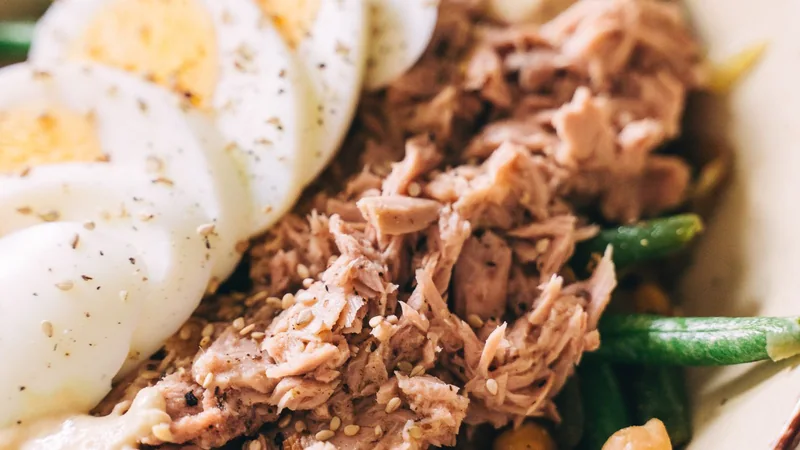 Essential guide: Anti-Inflammatory Diet for Joint Pain: What's Proven, What's Promising, What's Hype
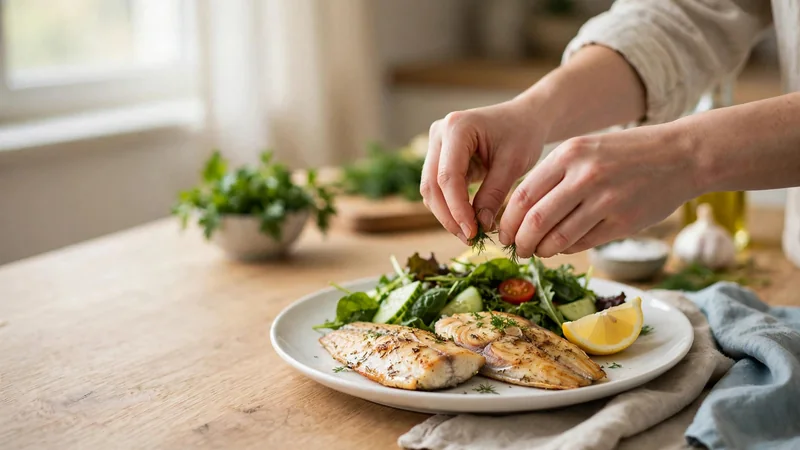 Fish Twice a Week: The Simplest Omega-3 Habit
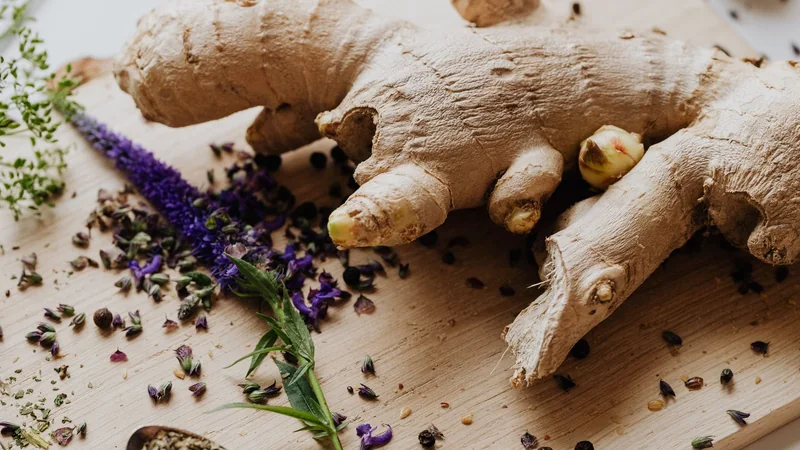 Spices in the Canadian Kitchen: Turmeric, Ginger, Garlic — Flavour First, Claims Second
 Weight and Shoulder Pain: Does Body Weight Affect a Non-Weight-Bearing Joint?