Food, nutrition & eating for joints and muscle
Omega-3s for Joint Pain: The Honest Evidence (Better for RA Than OA)
5-minute read · Published February 18, 2026 · Updated February 18, 2026
What omega-3s are
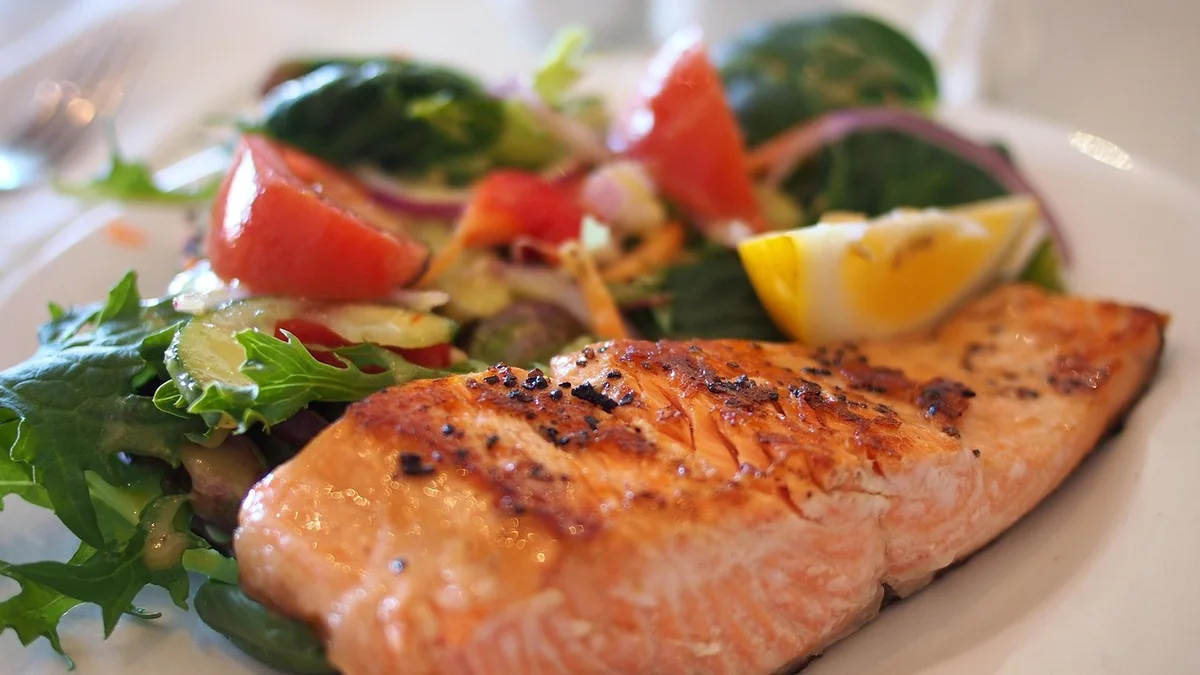
Omega-3 fats are found in oily fish such as salmon, sardines and mackerel. They are also sold as fish oil or plant-based capsules. The body uses them in many ways, and they are studied for their possible effect on inflammation. Inflammation is the body's normal response to injury or illness, and it is part of many joint conditions.
Two common joint conditions get mixed up in the headlines. Rheumatoid arthritis is an autoimmune, inflammatory arthritis. Osteoarthritis is a common joint condition that involves the whole joint and tends to build up over years. They have different causes and different evidence, so they need separate answers.
What the research says
For rheumatoid arthritis, two studies support omega-3s, and the evidence is limited but more encouraging [R22]. The general review of supplements for musculoskeletal pain reports some evidence of a modest benefit in rheumatoid arthritis [R20].
For osteoarthritis, the picture is weaker. The authors of a 2010 review could not recommend omega-3s, vitamin E, ginger or turmeric for osteoarthritis based on the evidence up to 2009 [R22]. Lab work suggests anti-inflammatory effects for omega-3s and other compounds, and some clinical work points the same way. That is not proof that they help people [R21].
Diet is a different question. Whole-diet patterns such as the Mediterranean or plant-based approach are linked to less pain and better function in osteoarthritis [R21]. The word "linked" matters here. It describes an association, not a proven cause.
Anti-inflammatory diet components are associated with lower inflammatory markers in rheumatoid arthritis. A diet complements treatment. It does not replace it [R23].
Evidence levels at a glance
- Omega-3s for rheumatoid arthritis: limited. Some benefit is suggested, but the trials are few.
- Omega-3s for osteoarthritis: insufficient. Not enough evidence to recommend them.
- Whole-diet patterns for osteoarthritis: limited. They are linked to less pain, not proven to cause it.
- Anti-inflammatory food components for rheumatoid arthritis: limited. They go along with care, not in place of it.
Evidence in this area is older in parts, and new trials keep changing the picture. Treat any headline promising a big effect with caution.
What you can do
- Get a diagnosis first. Only a doctor can diagnose rheumatoid arthritis or osteoarthritis. The right approach depends on which one you have.
- Eat fish a few times a week, if you like it. Choose oily fish when you can. Food is a reasonable first step for most people.
- Build meals around whole foods. Vegetables, beans, whole grains and olive oil fit most whole-diet patterns. Many people find a seated meal plan easier to keep up.
- Check before you supplement. Ask your pharmacist or doctor about fish oil, especially if you take blood thinners or other medication.
- Keep your regular care. Diet does not replace medication, physiotherapy or a clinician's advice.
- Watch how you feel over weeks, not days. Keep a simple note of pain and energy, sitting down if that is easier. Bring it to your appointments.
Where ShoulderBack Pro fits — and where it doesn't
ShoulderBack Pro is a movement trainer, so it has no bearing on what you eat or take. For food and supplement questions, ask a dietitian or pharmacist, and for joint inflammation, your doctor. Gentle movement routines live in the routines library, separate from this question.
When to see a professional
See a doctor or physiotherapist promptly if you have: pain after a fall or injury with sudden weakness or loss of movement; a shoulder that looks deformed, very swollen or bruised; fever or feeling unwell alongside the pain; chest pain or breathlessness (call emergency services); constant pain that doesn't change with rest or activity; pain that wakes you most nights; numbness, tingling or weakness into the arm or hand; pain in several joints at once; or pain that hasn't improved after a couple of weeks of sensible self-care.
Only a doctor can diagnose rheumatoid arthritis, osteoarthritis or any other joint condition. If you have an inflammatory arthritis flare, ask your clinician before you change your diet or start a supplement. This article does not diagnose anything.
Try this movement
Refreshing Awareness 3-minute ritual →Frequently asked questions
Do omega-3s help osteoarthritis?
The evidence is insufficient to recommend them for osteoarthritis. Ask your doctor before you take them for this reason.
Do omega-3s help rheumatoid arthritis?
Some studies suggest a modest benefit, so the evidence is limited but more encouraging than for osteoarthritis. Rheumatoid arthritis is treated under a doctor's care, and omega-3s do not replace that care.
Are fish oil supplements safe?
They can interact with blood thinners and other medication. Check with your pharmacist or doctor before you start, especially if you take any regular medicine.
Is eating fish enough?
Food-first eating is a reasonable goal, and the evidence on whole diets is more consistent than for single nutrients. Whether fish alone changes joint pain is not established.
Sources
- NCCIH (US National Center for Complementary and Integrative Health). Nutritional Approaches for Musculoskeletal Pain and Inflammation. https://www.nccih.nih.gov/health/providers/digest/musculoskeletal
- PMC narrative review (2025/26). Nutritional Interventions in Osteoarthritis: Mechanisms, Clinical Evidence, and Translational Opportunities. https://www.ncbi.nlm.nih.gov/pmc/articles/PMC12844890/
- Rosenbaum CC et al. (2010). Antioxidants and antiinflammatory dietary supplements for osteoarthritis and rheumatoid arthritis. Altern Ther Health Med. https://pubmed.ncbi.nlm.nih.gov/20232616/
- EBSCO Health Notes. Exploring anti-inflammatory diets in rheumatology. https://about.ebsco.com/blogs/health-notes/exploring-anti-inflammatory-diets-rheumatology