Ancient wisdom & traditional movement practices
The Monastic Day: Rhythm, Rest and Movement Lessons From Old Routines
4-minute read · Published April 15, 2026 · Updated April 15, 2026
What the rhythm was
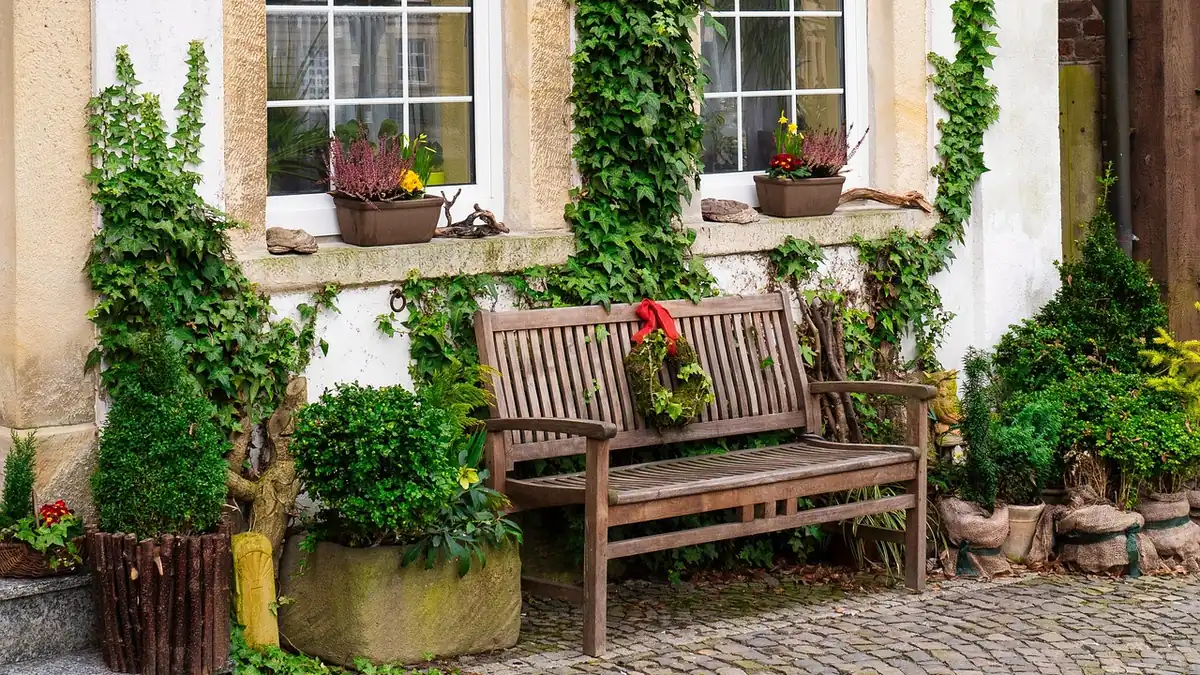
Many monastic communities organized their days around set hours. Work, prayer, meals, reading and rest came in turns. Physical labour such as gardening, building and cleaning kept the body moving through the day. Accounts vary by region and century, so think of this as a general pattern rather than one fixed schedule.
Modern life often reverses that pattern. Many people sit for long stretches, then do one hard burst of activity. The monastic model is a reminder to spread movement across the day.
What the research says
There isn't research on monastic schedules themselves; here is the closest evidence.
First, general guidance says adults should be active across the week and spend less time sitting still. Public health advice for adults describes 150 to 300 minutes of moderate activity, plus muscle strengthening, and says every move counts [R07].
Second, traditional movement has been tested in trials. A review of tai chi and qigong trials in adults 55 and older found they may help physical function, blood pressure, fall risk and mood [R10]. A 12-week trial of low-intensity Thai Yoga in sedentary adults over 60 improved chair stands, arm curls and shoulder reach compared with a control group [R11].
Third, those trials tested specific programs, not a daily schedule. Read them as encouraging, not as proof that any one tradition is the answer.
What you can do
- Break up long sitting. Stand, stretch or walk for a minute each hour.
- Make a daily rhythm you can repeat. For example, movement in the morning, a midday break and a gentle wind-down in the evening.
- Use simple physical tasks. Gardening, carrying groceries and tidying all count as movement.
- Add gentle circles. Slow arm circles with both arms are an easy way to bring the shoulder through its range. Seated option: do them in an armchair with your back supported.
- Keep it gentle. If a movement causes sharp pain, stop it and rest.
Where ShoulderBack Pro fits — and where it doesn't
The trainer suits one slice of this rhythm: a short seated break for the shoulder blades. Around the World is a single large, unhurried circle in front of you, which the site lists as working the serratus anterior and lower trapezius, with one arm resisting the other. It does nothing for walking, sleep or the rest of the day's pattern, and it is a wellness tool, not a treatment.
The Around the World lesson is free, and the pocket-size trainer is in the shop if you want to try short sessions.
When to see a professional
If circles or reaching cause pain that doesn't settle, a clinician should look at the shoulder before you continue.
See a doctor or physiotherapist promptly if you have: pain after a fall or injury with sudden weakness or loss of movement; a shoulder that looks deformed, very swollen or bruised; fever or feeling unwell alongside the pain; chest pain or breathlessness (call emergency services); constant pain that doesn't change with rest or activity; pain that wakes you most nights; numbness, tingling or weakness into the arm or hand; pain in several joints at once; or pain that hasn't improved after a couple of weeks of sensible self-care.
Try this movement
Around the World (circles, both arms) →Frequently asked questions
Did monks have better shoulders?
There is no good record to answer that. Describe the rhythm as a model for daily life, not as a proven health method.
Is a daily rhythm good for health?
Regular movement and breaks from sitting are supported by general guidance. Whether a fixed schedule adds more is not tested directly.
Which traditional practices have trial evidence?
Tai chi, qigong and yoga have been studied in older adults, with several trials showing benefits for physical function. Results vary by study.
Sources
- Rogers CE, Larkey LK, Keller C (2009). A review of clinical trials of tai chi and qigong in older adults. West J Nurs Res 31(2):245-79. https://qigonginstitute.org/abstract-print/4690
- Noradechanunt C, Worsley A, Groeller H (2017). Thai Yoga improves physical function and well-being in older adults: a randomised controlled trial. J Sci Med Sport. https://ro.uow.edu.au/smhpapers/4599
- WHO (2020). Guidelines on physical activity and sedentary behaviour. https://www.sydney.edu.au/news-opinion/news/2020/11/26/new-global-guidelines-on-physical-activity-and-sedentary-behavio.html
More in this topic
 Essential guide: Ancient Wisdom for Strong Shoulders: What Traditional Movement Got Right (and What Science Adds)
 The Chinese Medicine Clock and Morning Movement: Fun Framing, Real Habit
 Cold Water and Shoulders: From Nordic Plunges to Modern Ice Baths
 Ancient Massage Traditions: Thai, Tui Na, Lomi Lomi — Comfort vs Proof