Food, nutrition & eating for joints and muscle
The Blood-Thinner Warning: Supplements That Interact With Medication
6-minute read · Published April 14, 2026 · Updated April 14, 2026

Why interactions matter
Blood thinners slow the clotting process. Some supplements can add to that effect, which can raise the risk of bleeding. Others change how the body processes a medicine, so the medicine may act more or less strongly than expected.
Natural does not mean free of effects.
For the wider picture on food and joints, see our guide to anti-inflammatory diets for joint pain, and our omega-3 evidence review.
What the research says
The NCCIH summary is a useful reference. In general, the evidence is insufficient for many supplements. Here is what it and related reviews say about the ones most often sold for joints [R20]:
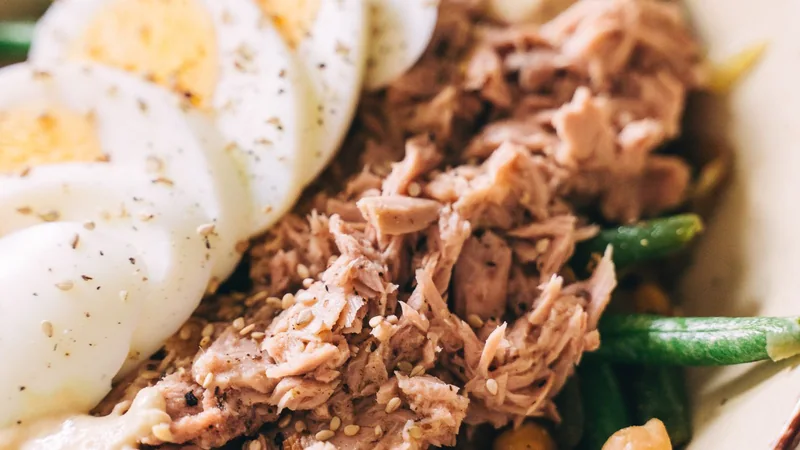
- Omega-3 (fish oil): limited. Some evidence suggests a modest benefit in rheumatoid arthritis. Two older studies support it for that condition, but support for osteoarthritis is weaker [R20][R22]. Fish oil may also add to bleeding risk with blood thinners, so ask before combining them.
- Devil's claw: limited. Limited evidence suggests a modest short-term benefit for low back pain [R20].
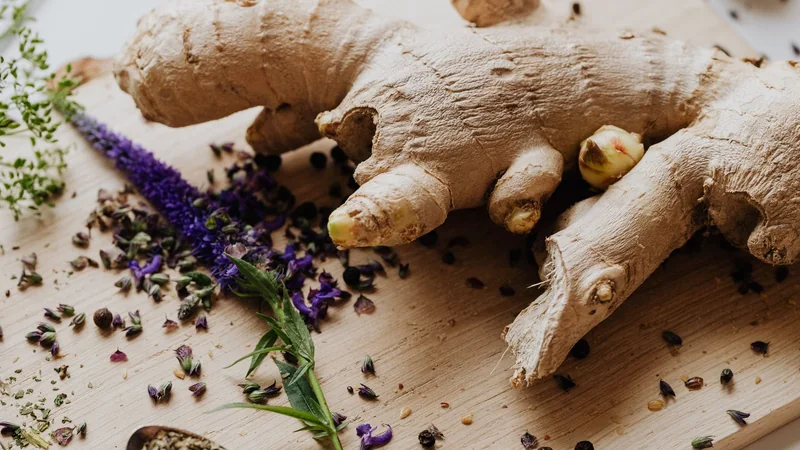
- Ginger: insufficient. Results are unclear, and reviewers could not recommend it for osteoarthritis [R20][R22].
- Turmeric (curcumin): insufficient. Lab results look promising, but clinical evidence is not strong enough yet [R20][R21].
- Vitamin E: insufficient. An older review could not recommend it for osteoarthritis [R22].
- Bromelain: insufficient. There is not enough evidence for musculoskeletal inflammation [R20].
Whole-diet patterns look better. Mediterranean and plant-based eating are linked to less pain and better function in osteoarthritis. The word "linked" matters, because it is not proof [R21]. A diet complements medical care and never replaces it [R23].
What you can do
- Make a full list. Write down every supplement, herb, vitamin and over-the-counter pain product, with the dose. Seated option: do this at a table or in your armchair with the list in hand.
- Show the list to your pharmacist. Pharmacists can check interactions quickly. Ask about each item, not just the main one.
- Ask before you start. Ask: could this interact with my blood thinner or other medicine?
- Do not change prescribed medicine on your own. Talk to your doctor first, especially before stopping a blood thinner.
- Know the warning signs. Unusual bruising, bleeding gums, nosebleeds that won't stop, blood in urine, or black stools need prompt medical advice. Severe bleeding needs emergency services.
- Focus on food patterns. Whole, varied eating is an easier and lower-risk habit than a stack of pills.
Where ShoulderBack Pro fits — and where it doesn't
This topic is outside what a movement trainer can help with. Supplement and medication questions belong with your pharmacist or doctor.
When to see a professional
Unusual bleeding, or any new symptom while you take a blood thinner, is a reason to call your doctor or pharmacist promptly.
See a doctor or physiotherapist promptly if you have: pain after a fall or injury with sudden weakness or loss of movement; a shoulder that looks deformed, very swollen or bruised; fever or feeling unwell alongside the pain; chest pain or breathlessness (call emergency services); constant pain that doesn't change with rest or activity; pain that wakes you most nights; numbness, tingling or weakness into the arm or hand; pain in several joints at once; or pain that hasn't improved after a couple of weeks of sensible self-care.
Try this movement
Refreshing Awareness 3-minute ritual →Frequently asked questions
Can I take fish oil with a blood thinner?
Ask first. Fish oil may add to bleeding risk with blood thinners, so check with your pharmacist or doctor before you start.
Are natural products safe because they are natural?
Not necessarily. Natural products can still act on the body and interact with medicines, so mention them to your pharmacist.
Can movement replace a supplement?
They do different jobs, so one cannot stand in for the other. Once a clinician confirms gentle movement is safe for you, the routines page is a general reference.
What if I already take a supplement?
Do not stop a prescribed medicine on your own. Tell your pharmacist or doctor exactly what you take, including the dose.
Sources
- NCCIH (US National Center for Complementary and Integrative Health). Nutritional Approaches for Musculoskeletal Pain and Inflammation. https://www.nccih.nih.gov/health/providers/digest/musculoskeletal
- PMC narrative review (2025/26). Nutritional Interventions in Osteoarthritis: Mechanisms, Clinical Evidence, and Translational Opportunities. https://www.ncbi.nlm.nih.gov/pmc/articles/PMC12844890/
- Rosenbaum CC et al. (2010). Antioxidants and antiinflammatory dietary supplements for osteoarthritis and rheumatoid arthritis. Altern Ther Health Med. https://pubmed.ncbi.nlm.nih.gov/20232616/
- EBSCO Health Notes. Exploring anti-inflammatory diets in rheumatology. https://about.ebsco.com/blogs/health-notes/exploring-anti-inflammatory-diets-rheumatology