Ancient wisdom & traditional movement practices
Abhyanga (Self-Massage With Oil): Can an Ancient Ritual Ease Stiff Shoulders?
3-minute read · Published January 19, 2026 · Updated January 19, 2026
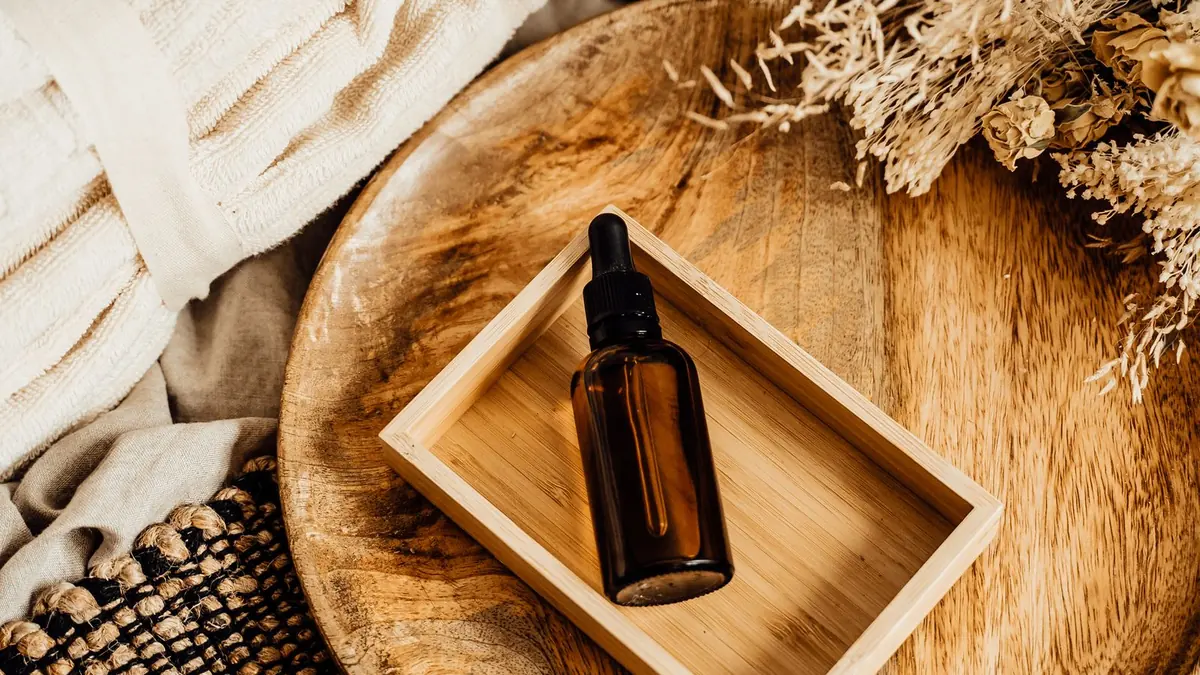
What this is
Abhyanga comes from Ayurveda, a traditional system of medicine from the Indian subcontinent. It usually means rubbing warm oil into the body in long, smooth strokes, often before a bath. Many people describe it as calming and nourishing.
It is a cultural practice with a long history. That history is worth respecting. It does not, by itself, show that the practice treats any specific shoulder problem.
What the research says
There isn't strong research on abhyanga for shoulder stiffness specifically, so we can't say it helps. Studies of movement-based traditions such as Tai Chi exist, but they test exercise, not oil massage, and tell us nothing about abhyanga.
Why a traditional practice can still feel good
Warm oil and gentle strokes can feel soothing. Many people use abhyanga as a moment of calm at the start or end of the day. Feeling relaxed is a real benefit, even if the shoulder itself does not change. Keep your expectations honest, and notice how you feel over a few weeks.
What you can do
- Treat it as a ritual, not a solution. Enjoy it for what it offers, and do not expect it to replace an assessment.
- Keep the pressure light. Use slow, gentle strokes on the arm, upper back and neck. Avoid firm pressure on a sore joint.
- Choose a seated option. You can sit on a chair with a towel under you. Standing for a long time is not needed.
- Pair it with gentle movement. After the massage, try a few slow shoulder circles or a seated reach. Stop if pain increases.
- Test your skin first. Put a little oil on a small patch of skin and wait a day. Stop if you see redness, itching or a rash.
- Keep a note. Write down how your shoulder felt before and after for two weeks. This helps you judge whether it is worth keeping.
Where ShoulderBack Pro fits — and where it doesn't
ShoulderBack Pro does not fit this topic: abhyanga is hands-on massage and SBP is a handheld movement trainer. For a stiff shoulder that has lasted more than a few weeks, a physiotherapist or doctor is the right first stop; for gentle movement afterwards, see the routines page.
When to see a professional
See a doctor or physiotherapist promptly if you have: pain after a fall or injury with sudden weakness or loss of movement; a shoulder that looks deformed, very swollen or bruised; fever or feeling unwell alongside the pain; chest pain or breathlessness (call emergency services); constant pain that doesn't change with rest or activity; pain that wakes you most nights; numbness, tingling or weakness into the arm or hand; pain in several joints at once; or pain that hasn't improved after a couple of weeks of sensible self-care.
Stiffness that is getting worse over time, or stiffness with a history of injury, should be assessed. Research does not support simply waiting out a frozen shoulder, since untreated cases improved only partly over one to four years [R19], so a clinician should assess any stiffness that persists.
Try this movement
Around the World (circles, both arms) →Frequently asked questions
Is abhyanga proven to help stiff shoulders?
No. Its history is long, but a long history is not the same as proof. Evidence varies, so ask your clinician.
Can I do abhyanga if I have a sore shoulder?
If the shoulder is sore, injured or swollen, get it assessed first. Gentle, light touch on unaffected areas is usually fine, but avoid firm pressure on a painful joint.
Is oil massage safe with my skin?
Some oils can irritate sensitive skin. Test a small patch first and stop if you notice redness, itching or rash.
Sources
- Wong CK et al. (2017). Natural history of frozen shoulder: fact or fiction? A systematic review. Physiotherapy 103(1):40-47. https://pubmed.ncbi.nlm.nih.gov/27641499/
More in this topic
 Essential guide: Ancient Wisdom for Strong Shoulders: What Traditional Movement Got Right (and What Science Adds)
 The Chinese Medicine Clock and Morning Movement: Fun Framing, Real Habit
 Cold Water and Shoulders: From Nordic Plunges to Modern Ice Baths
 Ancient Massage Traditions: Thai, Tui Na, Lomi Lomi — Comfort vs Proof