Food, nutrition & eating for joints and muscle
Vitamin D, Calcium and Bone Health: The Shoulder Connection
5-minute read · Published November 12, 2025 · Updated November 12, 2025

Why this topic comes up
Many people over 55 hear about vitamin D and calcium and wonder whether they matter for shoulders. It is a fair question. Bones, muscles and joints work as a system, so bone health and muscle strength often come up together.
Muscle loss is one piece of that system. Sarcopenia, the gradual loss of muscle, is common in older adults, and resistance exercise is the first-line response [R08]. Food and supplements may play a supporting role, but the evidence for each one varies.
This article is not a guide to doses. It explains what the research does and does not say, so you can ask better questions at your next appointment.
What the research says
- Evidence for most supplements in musculoskeletal pain is generally insufficient, with a few narrow exceptions. Many claims go further than the data [R20].
- Protein matters most for muscle, and the benefit is largest when protein is paired with resistance exercise [R08].
- An expert group suggests healthy older people aim for roughly 1.0 to 1.2 grams of protein per kilogram of body weight per day, and more if ill or at risk of malnutrition [R09]. Ask your clinician whether that suits you.
Evidence level summary:
- Protein with resistance exercise: moderate, mainly when paired with strength work [R08][R09].
- Vitamin D: no solid evidence for a shoulder benefit. Ask your clinician.
- Calcium: no solid evidence for a shoulder benefit. Ask your clinician.
What you can do
- Talk to your doctor or pharmacist first. Bring a list of everything you take, including over-the-counter products.
- Ask about bone health testing. Your doctor can decide whether it makes sense for your situation.
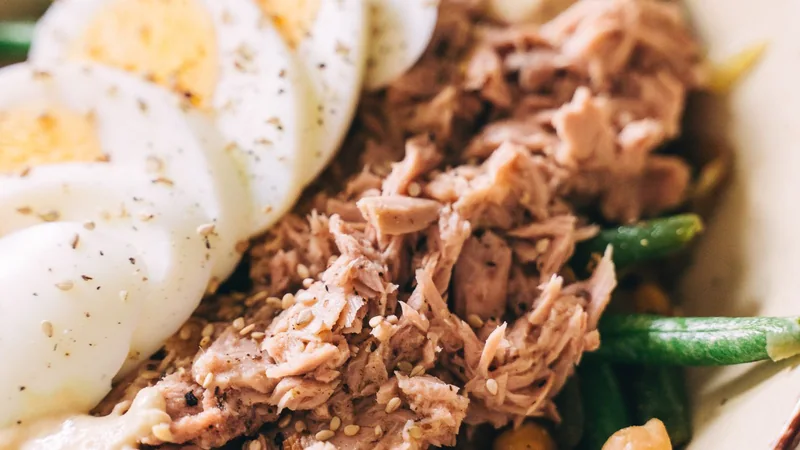
- Build meals around protein. Include a source of protein at each meal, and ask a dietitian for a target that suits you.
- Add strength work. Resistance training supports muscle and function, and the guidance for older adults supports it [R08].
- Try a seated option. Sit tall in a sturdy chair and practise gentle leg lifts or arm movements, within comfort, as part of your routine.
- Be wary of big promises. If a product claims to fix joints or bones quickly, check with your clinician before buying.
- Eat a varied diet. Vegetables, fruit, fish, beans, whole grains and dairy or fortified alternatives each bring different nutrients. A dietitian can help you plan this around any medications or health conditions.
If you take blood thinners or other medication, talk to your pharmacist or doctor before taking any supplement, including vitamin D or calcium.
Where ShoulderBack Pro fits — and where it doesn't
This topic is outside what ShoulderBack Pro is for: it is a shoulder movement trainer, not a source of nutrients, and it is not designed to affect bone health. Your doctor, pharmacist or a dietitian is the right first call, and a general plan of strength work and daily activity is a better starting point. For shoulder movement, see the routines page.
When to see a professional
Only a doctor can diagnose bone health problems. Book a visit if you have fractures, falls, or a bone health concern.
See a doctor or physiotherapist promptly if you have: pain after a fall or injury with sudden weakness or loss of movement; a shoulder that looks deformed, very swollen or bruised; fever or feeling unwell alongside the pain; chest pain or breathlessness (call emergency services); constant pain that doesn't change with rest or activity; pain that wakes you most nights; numbness, tingling or weakness into the arm or hand; pain in several joints at once; or pain that hasn't improved after a couple of weeks of sensible self-care.
Try this movement
Refreshing Awareness 3-minute ritual →Frequently asked questions
Does vitamin D help shoulder pain?
There is no good evidence that it does. Evidence on supplements for joint pain is generally insufficient, so ask your clinician before taking any.
How much calcium or vitamin D should I take?
This article does not set doses. Your doctor or pharmacist can review your diet, medications and needs and suggest what is right for you.
Is protein important for older adults?
Protein matters for muscle, especially alongside resistance exercise. Guidance suggests a daily target, but ask your clinician or dietitian what suits your kidneys and health.
Can ShoulderBack Pro help my bones?
No. It is not designed to affect bone health, and it does not fit this topic. Ask your doctor about bone health and strength work.
Sources
- Australian/NZ sarcopenia guidelines summary (2025). Journal of Cachexia, Sarcopenia and Muscle via Medical Republic. https://medicalrepublic.com.au/how-to-stop-muscle-loss-in-older-people/81501
- ESPEN Expert Group (Deutz NE et al., 2014). Protein intake and exercise for optimal muscle function with aging. Clinical Nutrition. https://dspace.stir.ac.uk/handle/1893/22753
- NCCIH (US National Center for Complementary and Integrative Health). Nutritional Approaches for Musculoskeletal Pain and Inflammation. https://www.nccih.nih.gov/health/providers/digest/musculoskeletal