Food, nutrition & eating for joints and muscle
The Mediterranean Diet and Joints: Why Whole Patterns Beat Single Foods
4-minute read · Published March 9, 2026 · Updated March 9, 2026
Why this happens / What this is
Osteoarthritis is wear and tear in the cartilage of a joint. Rheumatoid arthritis is an inflammatory condition in which the immune system attacks the joints. Food may be part of the picture for both, because some nutrients are thought to influence inflammation. Diet is not a repair tool for a damaged joint.
It is easy to look for one food that "fixes" inflammation. The research points somewhere more modest: the overall pattern of eating looks more promising than any single ingredient [R21].
A doctor or rheumatologist diagnoses arthritis. A dietitian can help you plan meals, and a pharmacist can check supplement interactions.
What the research says
Each item below has an evidence level, using the scale of strong, moderate, limited and insufficient.
- Whole-diet patterns, such as Mediterranean and plant-based eating (limited). Whole patterns are linked to less pain and better function in osteoarthritis. Linked does not mean proven [R21].
- Omega-3 fats for rheumatoid arthritis (limited to moderate). Some studies support a modest benefit. For osteoarthritis, the evidence is weaker [R20][R22].
- Turmeric and curcumin (insufficient). Lab work is promising, but the evidence in people is insufficient [R20][R21].
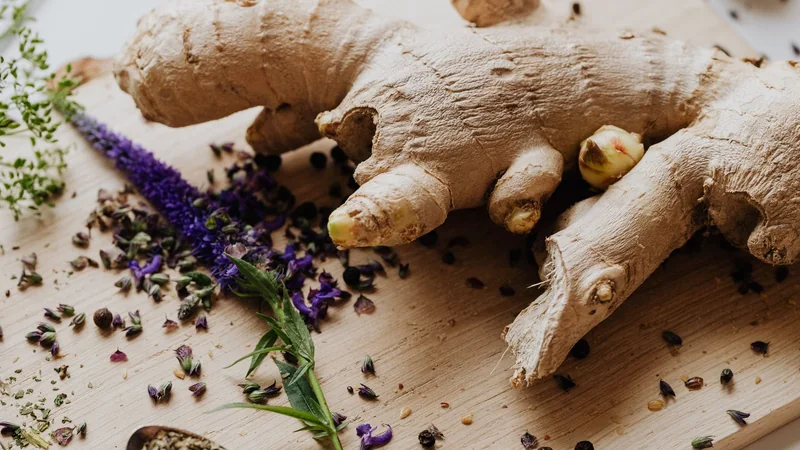
- Ginger (insufficient). The evidence is unclear. An older review could not recommend it for osteoarthritis [R22].
- Diet as a whole. Anti-inflammatory diet components are associated with lower inflammatory markers in rheumatoid arthritis. A diet complements treatment; it never replaces it [R23].
The reviews here are not all recent. Some are from 2010, so check for newer guidance with your clinician.
What you can do
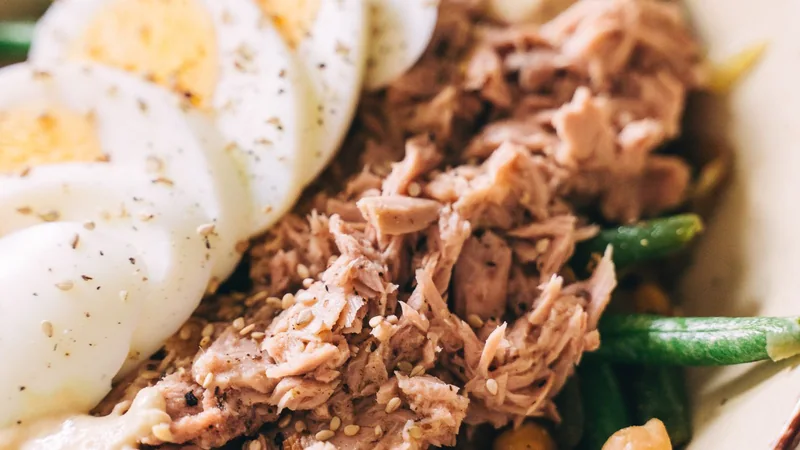
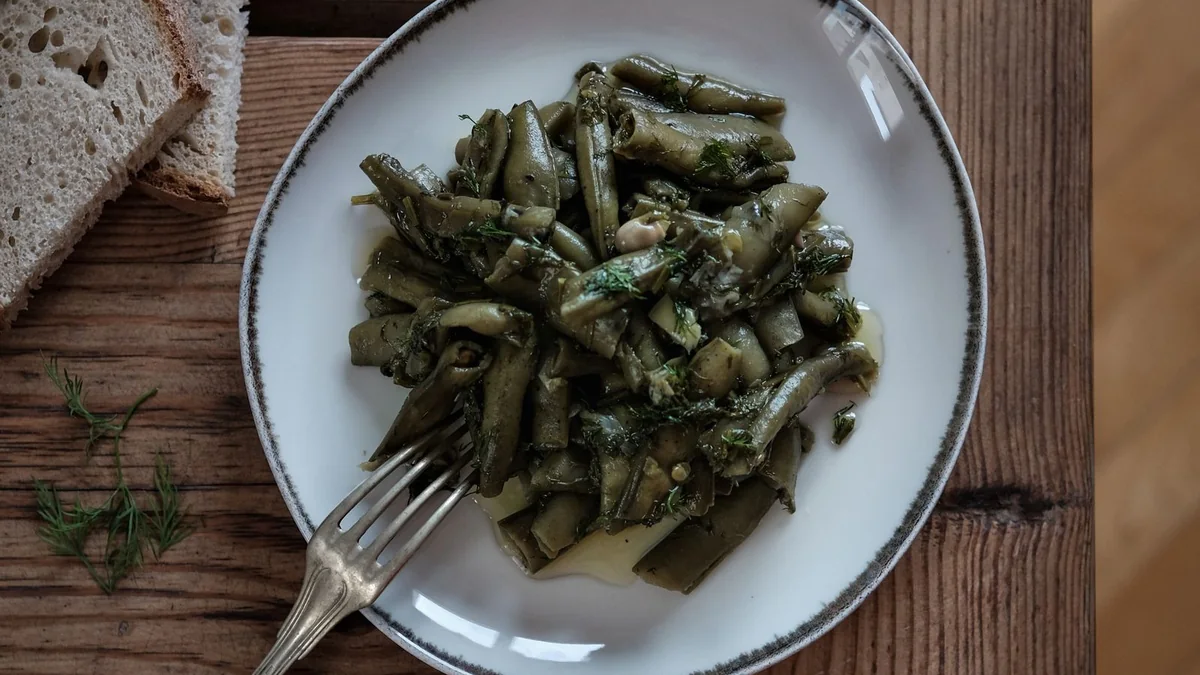
- Think pattern, not single food. Build meals around vegetables, legumes, whole grains, fish, nuts and olive oil. Limit heavily processed foods.
- Plan meals seated if that helps. Prep vegetables or cook at a counter with a stool nearby. Sitting to chop is a sensible option.
- Question supplement claims. If a product promises to fix joints, be wary. Ask a pharmacist first.
- Check before you start anything. If you take blood thinners or other medication, talk to your pharmacist or doctor before starting a supplement.
- Keep your clinician informed. Tell your doctor about the foods you are changing and any supplements you take.
- Give changes time. Keep a short note of symptoms alongside your food changes, and share it at your next visit.
Where ShoulderBack Pro fits — and where it doesn't
ShoulderBack Pro doesn't fit this topic; it is a movement trainer and has nothing to say about diet or supplements. A dietitian, doctor or pharmacist is the right first stop for food questions. If a clinician has cleared gentle movement, the routines page has seated ideas.
When to see a professional
See a doctor or physiotherapist promptly if you have: pain after a fall or injury with sudden weakness or loss of movement; a shoulder that looks deformed, very swollen or bruised; fever or feeling unwell alongside the pain; chest pain or breathlessness (call emergency services); constant pain that doesn't change with rest or activity; pain that wakes you most nights; numbness, tingling or weakness into the arm or hand; pain in several joints at once; or pain that hasn't improved after a couple of weeks of sensible self-care.
Joint pain that is getting worse, or that comes with swelling, should be assessed by a doctor. Do not treat a food plan as a replacement for that assessment.
Try this movement
Refreshing Awareness 3-minute ritual →Frequently asked questions
Is the Mediterranean diet proven to ease arthritis pain?
No. Whole-diet patterns are linked to less pain and better function in osteoarthritis. That is encouraging, but it is not proof [R21].
Should I take turmeric for my joints?
The evidence in people is insufficient. Talk to your pharmacist or doctor first, especially if you take blood thinners or other medication.
Are omega-3 supplements worth it?
The evidence is mixed. Some benefit has been reported in rheumatoid arthritis, and the evidence in osteoarthritis is weaker [R20][R22]. Ask a pharmacist or clinician about interactions.
Can I change my diet instead of seeing a doctor?
No. Diet can complement treatment but never replaces it [R23].
Sources
- NCCIH (US National Center for Complementary and Integrative Health). Nutritional Approaches for Musculoskeletal Pain and Inflammation. https://www.nccih.nih.gov/health/providers/digest/musculoskeletal
- PMC narrative review (2025/26). Nutritional Interventions in Osteoarthritis: Mechanisms, Clinical Evidence, and Translational Opportunities. https://www.ncbi.nlm.nih.gov/pmc/articles/PMC12844890/
- Rosenbaum CC et al. (2010). Antioxidants and antiinflammatory dietary supplements for osteoarthritis and rheumatoid arthritis. Alternative Therapies in Health and Medicine. https://pubmed.ncbi.nlm.nih.gov/20232616/
- EBSCO Health Notes. Exploring anti-inflammatory diets in rheumatology. https://about.ebsco.com/blogs/health-notes/exploring-anti-inflammatory-diets-rheumatology