Food, nutrition & eating for joints and muscle
Hydration and Joint Stiffness: What Water Does (and Doesn't) Do
3-minute read · Published March 31, 2026 · Updated March 31, 2026

Why this happens
Stiffness can come from several sources at once: less movement, guarding after an old injury, tissues that have adapted to long sitting, or changes in the joint itself. A drink is a small piece of that picture at most. Many people notice stiffness is worst after a long sit or a night's sleep, and many notice it loosens once they start moving. That is why many clinicians suggest gentle movement first.
For the wider food picture, see our anti-inflammatory diet guide.
What the research says
There isn't strong research on water and stiffness specifically; here is the closest evidence, with a level for each item.
- Plain water for joint stiffness: insufficient. We found no study testing water intake against joint stiffness. Water still matters for general health.
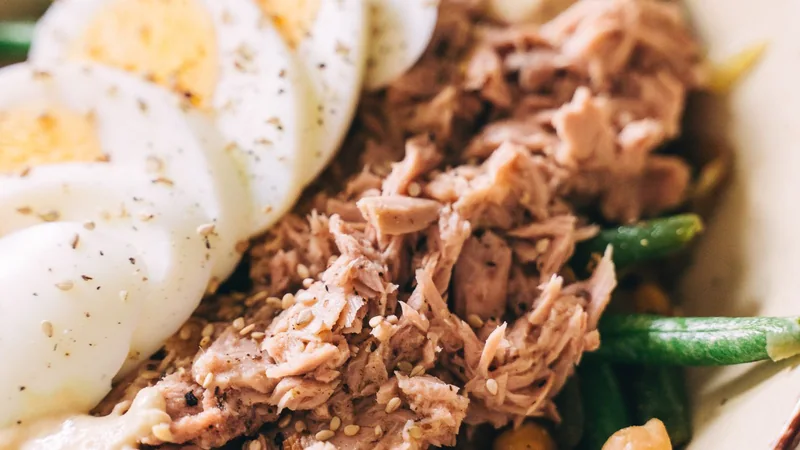
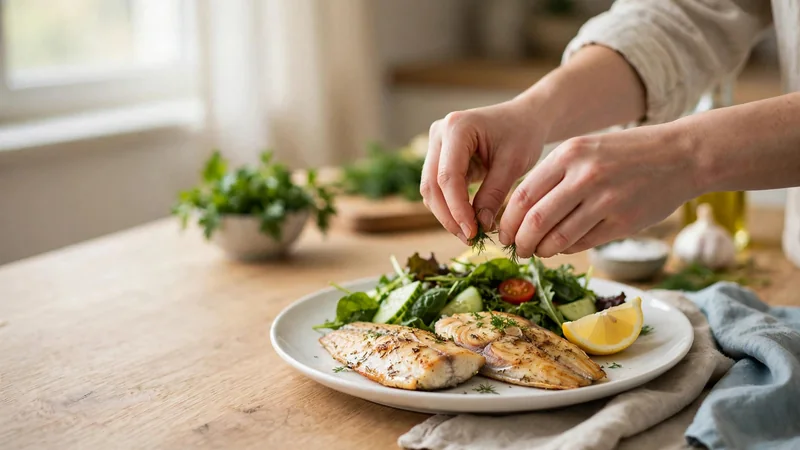
- Whole-diet patterns such as the Mediterranean style: limited to moderate. These are linked to less pain and better function in osteoarthritis. The link is association, not proof [R21].
- Omega-3s for rheumatoid arthritis: limited. Some studies show a modest benefit, but the evidence for osteoarthritis is weaker [R20][R22].
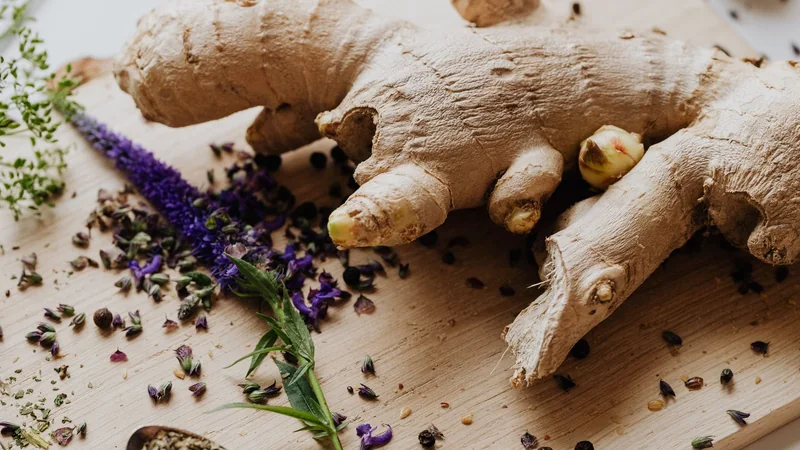
- Vitamin E, ginger and turmeric for osteoarthritis: insufficient. An older review could not recommend them on the evidence available to 2009 [R22].
Diet complements treatment; it never replaces it [R23]. For stiffness itself, exercise is linked to better range of motion in middle-aged and older adults with rotator cuff-related pain [R04]. That research is about the rotator cuff, not hydration.
What you can do
- Drink water through the day as a general health habit.
- Move gently every day. Seated shoulder rolls and slow arm reaches count, within a comfortable range. Ask your clinician which movements suit you.
- Check before adding anything. If you take blood thinners or other medication, talk to your pharmacist or doctor before starting a supplement or a drink with added ingredients.
- Keep a short stiffness note. Write down when it happens and what helped.
- Book an assessment if stiffness is new, severe, or does not ease after a couple of weeks of sensible self-care.
Where ShoulderBack Pro fits — and where it doesn't
ShoulderBack Pro doesn't fit this topic, since hydration is not a movement question. For stiffness, a clinician or physiotherapist is the better first step; the routine library can wait until they agree.
When to see a professional
See a doctor or physiotherapist promptly if you have: pain after a fall or injury with sudden weakness or loss of movement; a shoulder that looks deformed, very swollen or bruised; fever or feeling unwell alongside the pain; chest pain or breathlessness (call emergency services); constant pain that doesn't change with rest or activity; pain that wakes you most nights; numbness, tingling or weakness into the arm or hand; pain in several joints at once; or pain that hasn't improved after a couple of weeks of sensible self-care.
A doctor or physiotherapist is the right person to diagnose the cause of stiffness.
Try this movement
Refreshing Awareness 3-minute ritual →Frequently asked questions
Will drinking more water help stiff joints?
We found no studies testing water intake for joint stiffness, so we can't say it helps. Water is still good for general health. Ask your clinician if stiffness is new or getting worse.
Are joint drinks or supplements worth trying?
Evidence for most supplements in joint pain is limited or insufficient. Talk to your pharmacist or doctor first, especially if you take blood thinners or other medication.
What is a better first step for stiffness?
Gentle, regular movement within your comfortable range has the most support in the research. A clinician should assess stiffness that is new, severe or comes with other symptoms.
Sources
- BMC Musculoskeletal Disorders (2026). Exercise interventions for rotator cuff-related shoulder pain in middle-aged and older adults: systematic review and meta-analysis. https://link.springer.com/10.1186/s12891-026-10035-4
- NCCIH (US National Center for Complementary and Integrative Health). Nutritional Approaches for Musculoskeletal Pain and Inflammation. https://www.nccih.nih.gov/health/providers/digest/musculoskeletal
- PMC narrative review (2025/26). Nutritional Interventions in Osteoarthritis: Mechanisms, Clinical Evidence, and Translational Opportunities. https://www.ncbi.nlm.nih.gov/pmc/articles/PMC12844890/
- Rosenbaum CC et al. (2010). Antioxidants and antiinflammatory dietary supplements for osteoarthritis and rheumatoid arthritis. Altern Ther Health Med. https://pubmed.ncbi.nlm.nih.gov/20232616/
- EBSCO Health Notes. Exploring anti-inflammatory diets in rheumatology. https://about.ebsco.com/blogs/health-notes/exploring-anti-inflammatory-diets-rheumatology