Food, nutrition & eating for joints and muscle
Ginger for Joint Pain: Ancient Remedy, Unclear Evidence
4-minute read · Published March 5, 2026 · Updated March 5, 2026
What this is
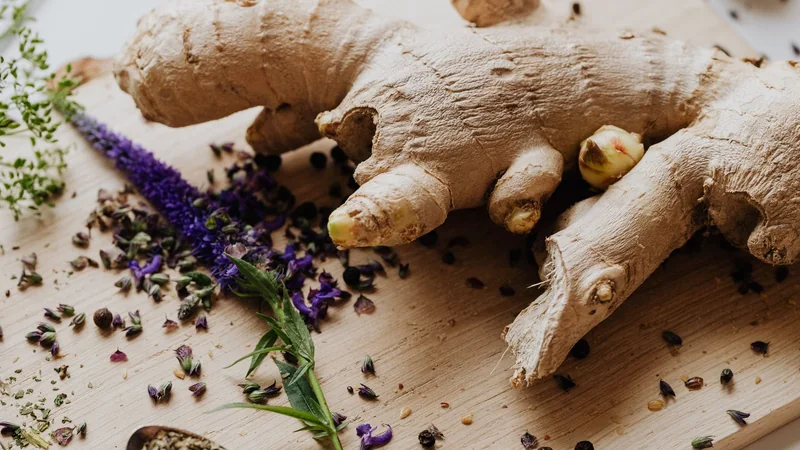
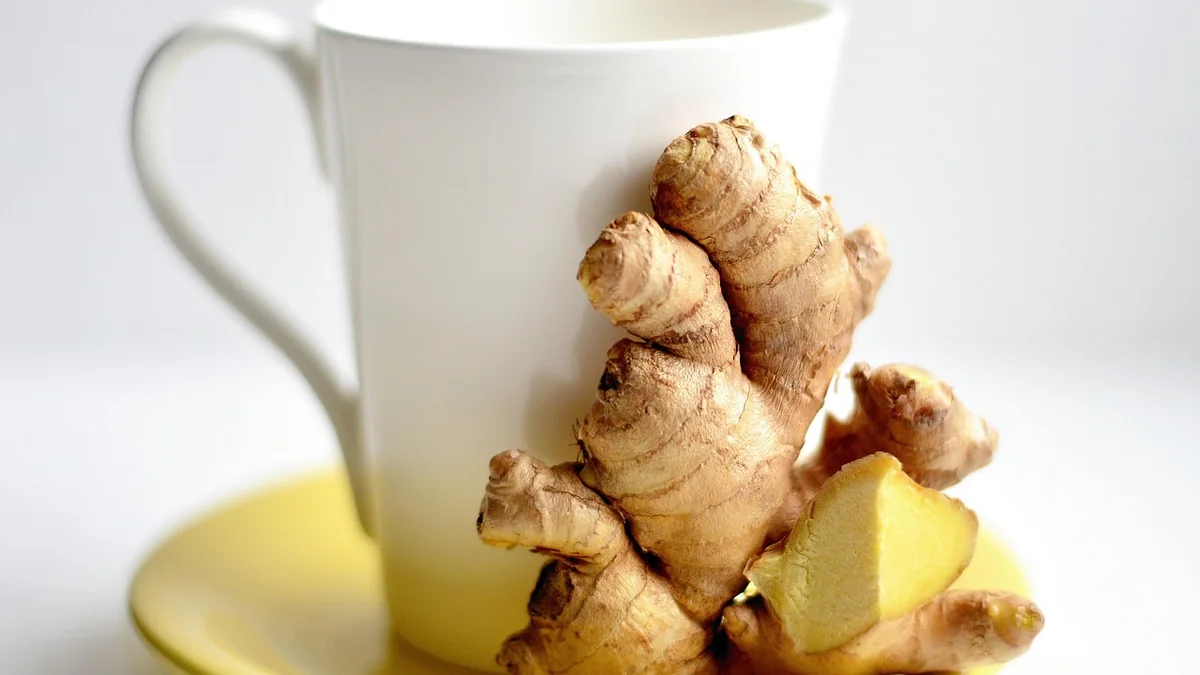
Ginger is a root used in cooking and in traditional medicine in many cultures. Its compounds are thought to have anti-inflammatory effects in the lab. Lab results do not always translate to people's joints, and that gap is the main reason the evidence is unclear.
What the research says
- The NCCIH summary describes the evidence for ginger in musculoskeletal pain as unclear [R20].
- A review of anti-inflammatory supplements could not recommend ginger for osteoarthritis, based on evidence up to 2009 [R22]. That is older work, so it is a snapshot, not the final word.
- Whole-diet patterns, such as Mediterranean or plant-based eating, are linked to less pain and better function in osteoarthritis. Single foods have weaker support [R21].
- Anti-inflammatory diets complement treatment; they never replace it [R23].
- Evidence level for ginger and joint pain: insufficient to unclear.
What you can do
- Enjoy ginger as food. Grate it into tea, stir-fries or soup. Enjoying a food is fine, but do not expect it to replace care for your joints.
- Look at your whole eating pattern. The overall pattern of what you eat matters more than one ingredient [R21].
- Check before you buy a supplement. Bring the label to your pharmacist. Talk to your pharmacist or doctor if you take blood thinners or other medication.
- Seated option. Sit down with a warm drink, rest your shoulders, and take a few slow breaths.
Where ShoulderBack Pro fits, and where it doesn't
ShoulderBack Pro does not fit this topic, since it is a movement trainer and not a food or supplement. For ongoing joint discomfort, a conversation with a clinician is the better first step, and the routines page is only a general option later.
When to see a professional
See a doctor or physiotherapist promptly if you have: pain after a fall or injury with sudden weakness or loss of movement; a shoulder that looks deformed, very swollen or bruised; fever or feeling unwell alongside the pain; chest pain or breathlessness (call emergency services); constant pain that doesn't change with rest or activity; pain that wakes you most nights; numbness, tingling or weakness into the arm or hand; pain in several joints at once; or pain that hasn't improved after a couple of weeks of sensible self-care.
A doctor or rheumatologist is the person who can diagnose the cause of joint pain.
Try this movement
Refreshing Awareness 3-minute ritual →Frequently asked questions
Does ginger reduce joint pain?
The evidence is unclear. Some people feel better using it, but reviews have not shown a clear benefit [R20].
Can I take ginger capsules with my medication?
Talk to your pharmacist or doctor first, especially if you take blood thinners or other medication.
Is turmeric better than ginger for joints?
The evidence for turmeric is also considered insufficient for musculoskeletal inflammation, despite promising lab results [R20].
Sources
- NCCIH (US National Center for Complementary and Integrative Health). Nutritional Approaches for Musculoskeletal Pain and Inflammation. https://www.nccih.nih.gov/health/providers/digest/musculoskeletal
- PMC narrative review (2025/26). Nutritional Interventions in Osteoarthritis: Mechanisms, Clinical Evidence, and Translational Opportunities. https://www.ncbi.nlm.nih.gov/pmc/articles/PMC12844890/
- Rosenbaum CC et al. (2010). Antioxidants and antiinflammatory dietary supplements for osteoarthritis and rheumatoid arthritis. Altern Ther Health Med. https://pubmed.ncbi.nlm.nih.gov/20232616/
- EBSCO Health Notes. Exploring anti-inflammatory diets in rheumatology. https://about.ebsco.com/blogs/health-notes/exploring-anti-inflammatory-diets-rheumatology