Food, nutrition & eating for joints and muscle
Foods That May Worsen Inflammation: Sugar, Alcohol and Ultra-Processed Food
6-minute read · Published April 1, 2026 · Updated April 1, 2026
What this is
Inflammation is your body's normal response to injury and infection. It brings heat, swelling and healing cells to an area. Short bursts are useful. Long-term, low-level inflammation is different, and researchers are still working out how it links to pain.
Food is one of many things that may influence inflammation. Sleep, body weight, activity, stress and medical conditions all matter too. No single food is a switch that turns pain on or off.
Why people link food and pain
It is easy to see why food gets blamed. Many people notice that a rich meal or a few drinks come before a bad day. Some foods also show up in lab studies as having anti-inflammatory or pro-inflammatory effects. Lab results do not always carry over to people, though.
Diet research is hard to run well. People eat many things at once, and it is hard to separate one food from everything else. Keep that in mind when you read headlines.
What the research says
- The US National Center for Complementary and Integrative Health notes that there is insufficient evidence for many supplements in musculoskeletal pain. Some evidence suggests omega-3 fats give a modest benefit in rheumatoid arthritis, but that is a specific condition [R20].
- Whole-diet patterns, such as Mediterranean or plant-based eating, are linked to less pain and better function in osteoarthritis. The word is "linked," not "proven to" [R21].
- Anti-inflammatory diet components, such as omega-3s, antioxidants, fibre and some spices, are associated with lower inflammatory markers in rheumatoid arthritis. A diet complements treatment; it does not replace it [R23].
- An older review could not recommend vitamin E, ginger, turmeric or omega-3 for osteoarthritis based on the evidence up to 2009. The evidence is mixed and dated [R22].
Evidence level, food by food
Here is a plain summary. The levels are our reading of the sources above, not official ratings.
- Sugar and sweetened drinks. Evidence is limited for a direct effect on shoulder or joint pain. Many clinicians suggest cutting back anyway for general health (evidence varies, ask your clinician).
- Alcohol. Heavy use is a health concern in its own right. Evidence on joint pain specifically is limited.
- Ultra-processed food. Evidence links dietary patterns to inflammatory markers and pain in some conditions, but the research on ultra-processed food specifically is still developing (evidence varies).
- Whole-food patterns. Limited to moderate evidence for better pain and function in osteoarthritis, from the linked patterns described above [R21].
- Supplements such as turmeric, bromelain or vitamin E. Insufficient evidence for musculoskeletal pain [R20], [R22].
What you can do
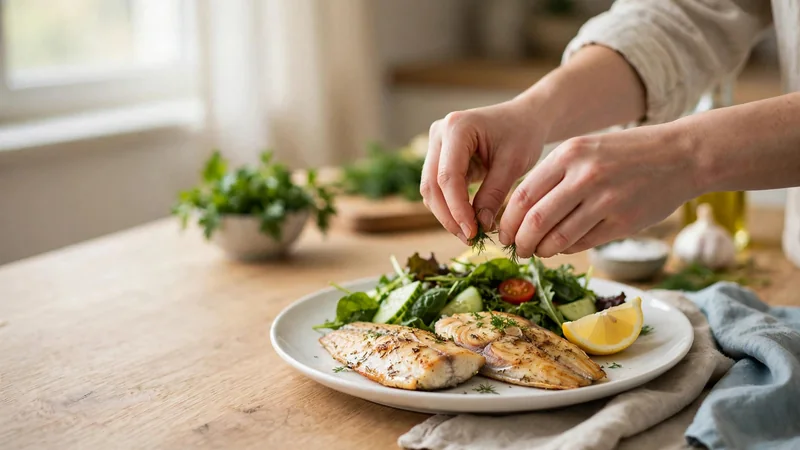
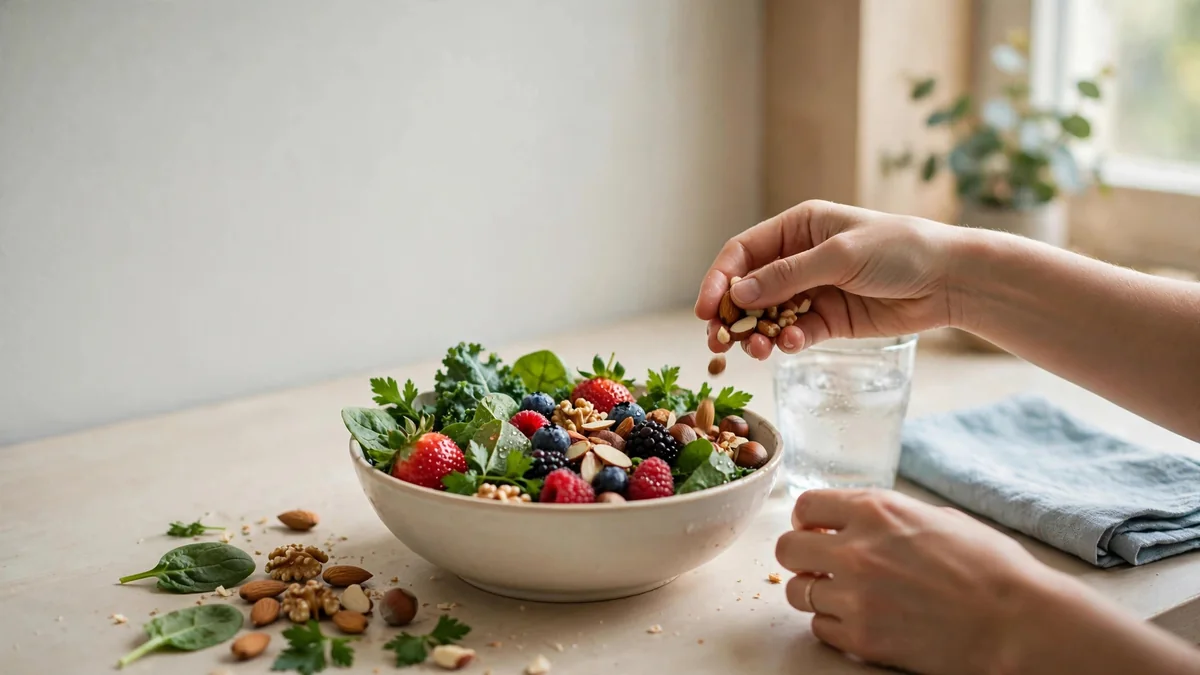
- Shift the balance, not the whole plate. Add vegetables, beans, fish, nuts and whole grains where you can. Small swaps add up.
- Cut back on sugary drinks first. Swapping one soft drink a day for water or unsweetened tea is an easy start.
- Keep alcohol within recommended limits. If you drink, have alcohol-free days each week.
- Read labels for ultra-processed items. Long ingredient lists with unfamiliar additives are a clue. Cook simple meals when you can.
- Check before you add supplements. Talk to your pharmacist or doctor first. If you take blood thinners or other medication, check any supplement with them before starting, because some supplements interact with medicines.
- Seated and easy-to-prepare options count. Batch-cooked soups, sheet-pan meals and slow cookers are useful if standing at the stove is hard.
Where ShoulderBack Pro fits — and where it doesn't
ShoulderBack Pro does not fit this topic, since it is a movement trainer and has no bearing on what you eat. For shoulder pain, a clinician's assessment and a suitable exercise plan are the better places to start; for gentle movement, see the routines page.
When to see a professional
See a doctor or physiotherapist promptly if you have: pain after a fall or injury with sudden weakness or loss of movement; a shoulder that looks deformed, very swollen or bruised; fever or feeling unwell alongside the pain; chest pain or breathlessness (call emergency services); constant pain that doesn't change with rest or activity; pain that wakes you most nights; numbness, tingling or weakness into the arm or hand; pain in several joints at once; or pain that hasn't improved after a couple of weeks of sensible self-care.
Inflammatory arthritis flares need medical care. If you have been told you have an inflammatory condition, ask your clinician before making major diet changes.
Try this movement
Refreshing Awareness 3-minute ritual →Frequently asked questions
Does sugar cause inflammation in the shoulder?
We cannot say that. Sugar is linked to inflammatory markers in general, but the evidence for shoulder pain specifically is not established.
Can I cut out alcohol to help my joints?
Cutting back is a reasonable choice for general health. If you take medication, check with your pharmacist or doctor first, because alcohol can interact with some medicines.
Are all processed foods bad?
No. Frozen vegetables, plain yogurt and canned beans are processed but useful. The concern is with ultra-processed foods that are high in sugar, salt and refined fat.
Will changing my diet cure my pain?
No. Diet may support general health, but it is not a treatment for a diagnosed condition. See a clinician for pain that persists.
Sources
- NCCIH (US National Center for Complementary and Integrative Health). Nutritional Approaches for Musculoskeletal Pain and Inflammation. https://www.nccih.nih.gov/health/providers/digest/musculoskeletal
- PMC narrative review (2025/26). Nutritional Interventions in Osteoarthritis: Mechanisms, Clinical Evidence, and Translational Opportunities. https://www.ncbi.nlm.nih.gov/pmc/articles/PMC12844890/
- Rosenbaum CC et al. (2010). Antioxidants and antiinflammatory dietary supplements for osteoarthritis and rheumatoid arthritis. Altern Ther Health Med. https://pubmed.ncbi.nlm.nih.gov/20232616/
- EBSCO Health Notes. Exploring anti-inflammatory diets in rheumatology. https://about.ebsco.com/blogs/health-notes/exploring-anti-inflammatory-diets-rheumatology