Food, nutrition & eating for joints and muscle
Eating for Tendon Health: Protein, Vitamin C and Timing
5-minute read · Published February 10, 2026 · Updated February 10, 2026
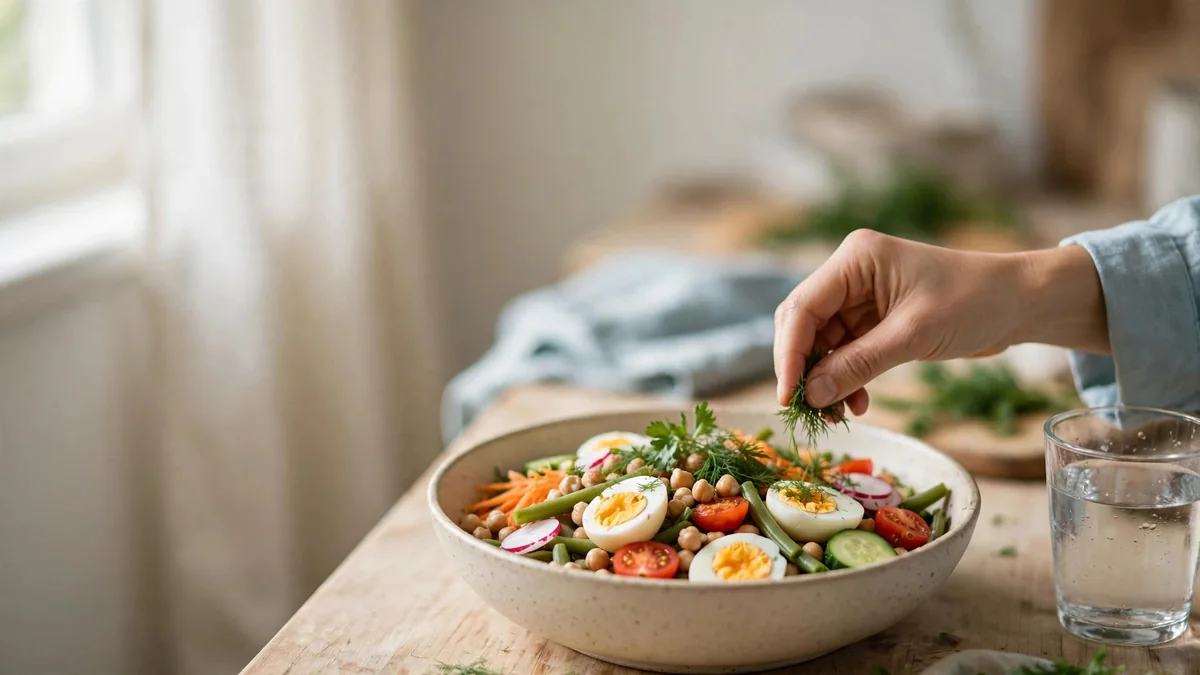
What this is
A tendon is the tough cord that joins muscle to bone. Your rotator cuff tendons, which sit around the shoulder joint, are loaded every time you lift, reach or carry. Many clinicians suggest tendons adapt to gradual load, and the muscles that pull on them need to be strong enough to share the work.
Food does not build tendons on its own. It supports the muscles that do the work, which is why nutrition and exercise are usually discussed together.
What the research says
For healthy older adults, the ESPEN expert group suggests at least 1.0 to 1.2 grams of protein per kilogram of body weight a day. It suggests 1.2 to 1.5 grams if you are ill or at risk of malnutrition. It also recommends daily physical activity, including resistance exercise, for all older people [R09].
The Australian and New Zealand sarcopenia guidance is similar in direction. It says resistance exercise is the first-line approach, and protein helps mainly when combined with it. It suggests considering 1 to 1.5 grams per kilogram a day for older adults with sarcopenia, except those with significant kidney disease [R08].
On vitamins and supplements, the US National Center for Complementary and Integrative Health describes the evidence as insufficient for many supplements, and mixed for others [R20]. An older review of antioxidant and anti-inflammatory supplements found the authors could not recommend vitamin E, ginger, turmeric or omega-3 for osteoarthritis, based on evidence up to 2009 [R22]. We could not find a source in this bank that shows vitamin C speeds tendon repair in people (evidence varies, ask your clinician).
Whole-diet patterns, such as Mediterranean and plant-based eating, are linked to less pain and better function in osteoarthritis. The word "linked" matters here. It does not mean proven [R21]. An anti-inflammatory diet complements treatment; it does not replace it [R23].
What you can do
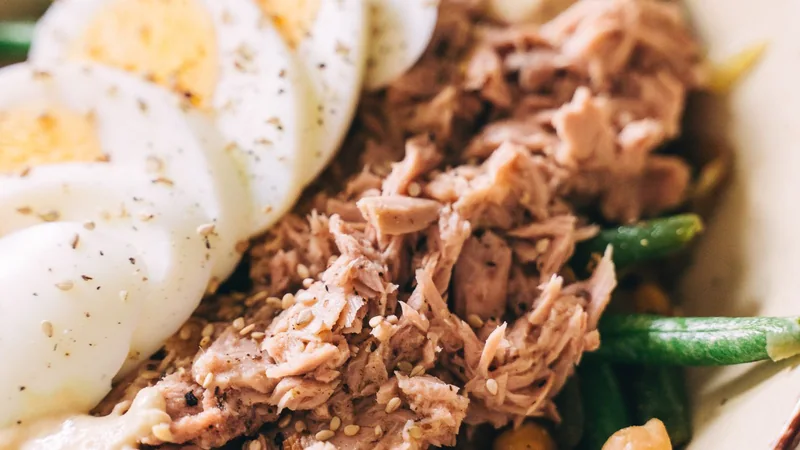
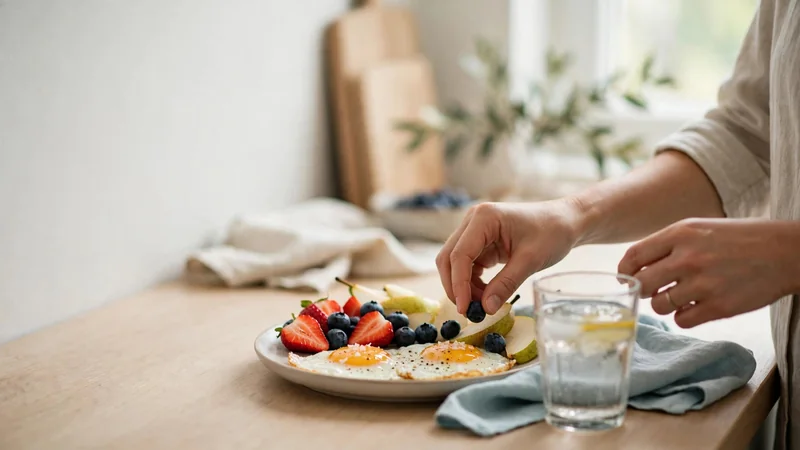
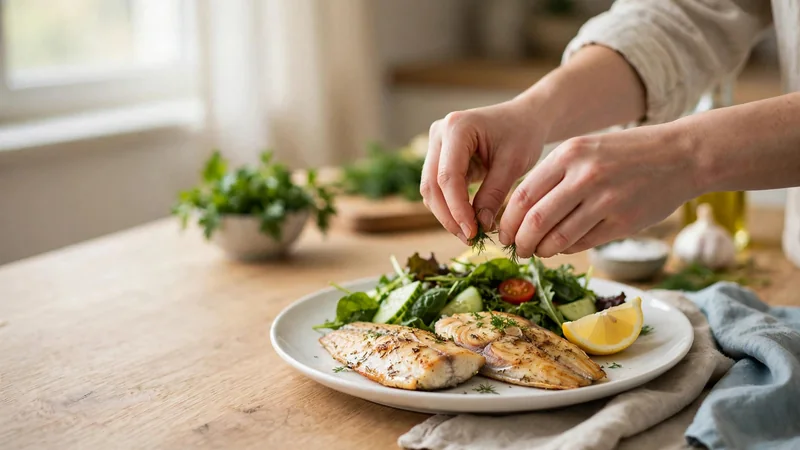
- Eat enough protein across the day. Spread it over meals, using eggs, fish, dairy, legumes, tofu or lean meat. Your needs depend on your body and health, so check the numbers with a dietitian or doctor if you are unsure.
- Get vitamin C from food. Fruit and vegetables such as peppers, berries and citrus are good sources. Food is the lower-risk route.
- Pair food with movement. Protein helps most when combined with resistance exercise [R08]. Seated or standing strength work is a practical place to start.
- Eat regular meals. Steady meals are easier to keep up than strict timing rules, and the evidence for timing tricks is weak.
- Be careful with supplements. If you take supplements, talk to your pharmacist or doctor first. This matters most if you take blood thinners or other medication.
Where ShoulderBack Pro fits — and where it doesn't
ShoulderBack Pro is a movement trainer, so it has nothing to offer on diet, protein or supplements. General movement ideas live on the routines page, for later. A registered dietitian is a good first call for a food plan, and your doctor or pharmacist can check any supplement.
When to see a professional
See a doctor or physiotherapist promptly if you have: pain after a fall or injury with sudden weakness or loss of movement; a shoulder that looks deformed, very swollen or bruised; fever or feeling unwell alongside the pain; chest pain or breathlessness (call emergency services); constant pain that doesn't change with rest or activity; pain that wakes you most nights; numbness, tingling or weakness into the arm or hand; pain in several joints at once; or pain that hasn't improved after a couple of weeks of sensible self-care.
If you have kidney disease, ask your doctor before raising your protein intake.
Try this movement
Refreshing Awareness 3-minute ritual →Frequently asked questions
How much protein do I need for tendon and muscle health?
For healthy older adults, the expert group suggests at least 1.0 to 1.2 grams per kilogram of body weight a day, and more if you are ill. Protein helps most when paired with resistance exercise.
Do vitamin C supplements help tendons?
The evidence in people is limited. Getting vitamin C from food is a sensible habit. If you take supplements, talk to your pharmacist or doctor, especially if you take blood thinners or other medication.
Does the timing of meals matter?
Our sources do not give strong evidence for a specific timing strategy for tendons (evidence varies, ask your clinician). Regular meals with enough protein are a practical, low-risk approach.
Sources
- Australian/NZ sarcopenia guidelines summary (2025). Journal of Cachexia, Sarcopenia and Muscle, via Medical Republic. https://medicalrepublic.com.au/how-to-stop-muscle-loss-in-older-people/81501
- ESPEN Expert Group (Deutz NE et al., 2014). Protein intake and exercise for optimal muscle function with aging. Clinical Nutrition. https://dspace.stir.ac.uk/handle/1893/22753
- NCCIH (US National Center for Complementary and Integrative Health). Nutritional Approaches for Musculoskeletal Pain and Inflammation. https://www.nccih.nih.gov/health/providers/digest/musculoskeletal
- PMC narrative review (2025/26). Nutritional Interventions in Osteoarthritis: Mechanisms, Clinical Evidence, and Translational Opportunities. https://www.ncbi.nlm.nih.gov/pmc/articles/PMC12844890/
- Rosenbaum CC et al. (2010). Antioxidants and antiinflammatory dietary supplements for osteoarthritis and rheumatoid arthritis. Altern Ther Health Med. https://pubmed.ncbi.nlm.nih.gov/20232616/
- EBSCO Health Notes. Exploring anti-inflammatory diets in rheumatology. https://about.ebsco.com/blogs/health-notes/exploring-anti-inflammatory-diets-rheumatology