Food, nutrition & eating for joints and muscle
Breakfast for Muscle After 60: Hitting 25–30 g of Protein
4-minute read · Published March 24, 2025 · Updated March 24, 2025

Why this happens / What this is
Muscle responds to both food and use. It tends to shrink with age, but losing muscle is not inevitable, and resistance exercise is the first-line approach [R08].
The 25 to 30 gram figure in this article's title is a common practical rule of thumb for one meal. It is not drawn from the studies in our sources, which give daily targets.
What the research says
- Healthy older people are generally advised to aim for about 1.0 to 1.2 g of protein per kg of body weight each day, and 1.2 to 1.5 g per kg if they are ill or at risk of malnutrition [R09].
- Protein may be considered at 1 to 1.5 g per kg a day for older adults with sarcopenia, the age-related loss of muscle, except where there is significant kidney disease. Resistance exercise is first-line, and protein helps mainly when combined with it [R08].
Evidence level for protein at breakfast specifically: limited, because our sources address total daily protein rather than per-meal timing.
What you can do
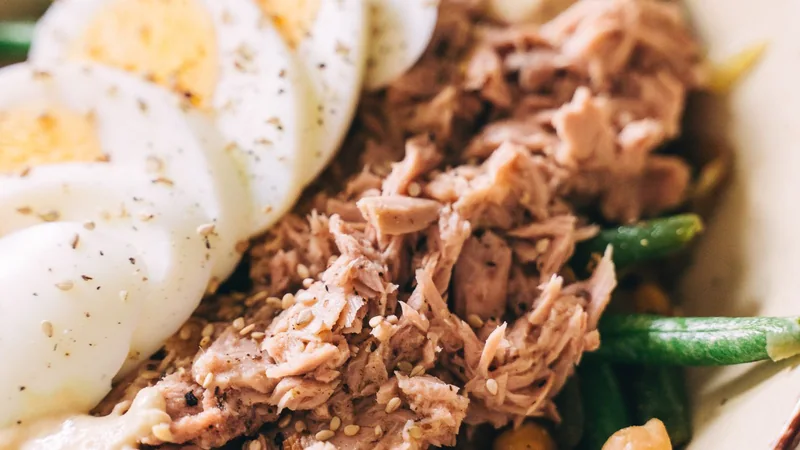
- Start with a protein source you like. Eggs, plain yogurt, cottage cheese, beans or fish all work. Choose what you will actually eat.
- Pair it with movement. Protein does its best work with resistance exercise. A short, seated routine after breakfast is an easy pairing.
- Check before you add supplements. Protein powders and herbal products should be discussed first. Talk to your pharmacist or doctor, especially if you take blood thinners or other medication.
Where ShoulderBack Pro fits — and where it doesn't
This topic is outside what the trainer is for. For protein and muscle questions, a doctor, registered dietitian or pharmacist is the right person to ask. The routines page covers movement only.
When to see a professional
See a doctor or physiotherapist promptly if you have: pain after a fall or injury with sudden weakness or loss of movement; a shoulder that looks deformed, very swollen or bruised; fever or feeling unwell alongside the pain; chest pain or breathlessness (call emergency services); constant pain that doesn't change with rest or activity; pain that wakes you most nights; numbness, tingling or weakness into the arm or hand; pain in several joints at once; or pain that hasn't improved after a couple of weeks of sensible self-care.
Only a doctor or registered dietitian can set a protein target for your health. If you have kidney disease, check with a clinician before increasing protein.
Try this movement
Refreshing Awareness 3-minute ritual →Frequently asked questions
Is 25 to 30 grams at breakfast a proven number?
Our sources give daily targets, not per-meal ones. Treat 25 to 30 grams as a practical rule of thumb, and check the right amount for you with a dietitian.
Do I need a protein powder?
Not necessarily. Whole foods can supply protein. If you are considering a powder or supplement, talk to your pharmacist or doctor first, especially if you take blood thinners or other medication.
Does protein alone build muscle?
No. Protein helps mainly when combined with resistance exercise, which is the first-line approach for keeping muscle [R08].
Sources
- Australian/NZ sarcopenia guidelines summary (2025). Journal of Cachexia, Sarcopenia and Muscle via Medical Republic. https://medicalrepublic.com.au/how-to-stop-muscle-loss-in-older-people/81501
- ESPEN Expert Group (Deutz NE et al., 2014). Protein intake and exercise for optimal muscle function with aging. Clinical Nutrition. https://dspace.stir.ac.uk/handle/1893/22753