Active aging & sports: keep playing
Fishing and Shoulders: Casting, Reeling and Long Days on the Water
4-minute read · Published July 7, 2025 · Updated July 7, 2025
Why this happens
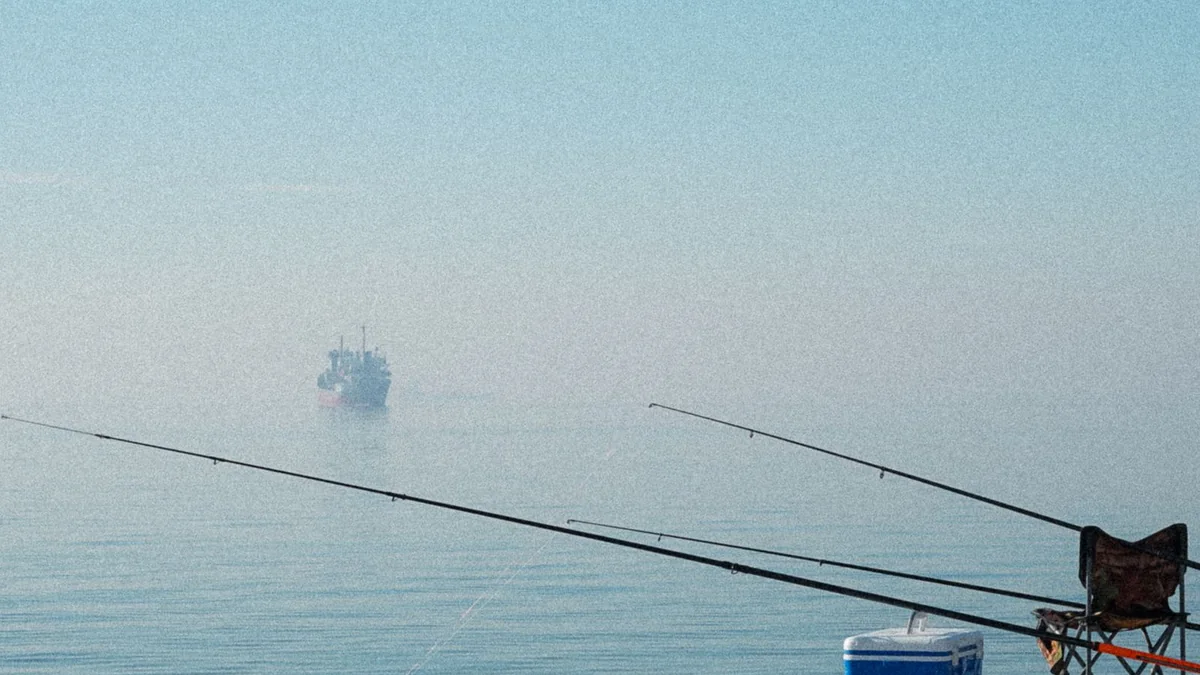
A cast is a fast, overhead throw. Reeling is a small motion repeated hundreds of times. Holding a rod steady for a long time keeps the forearm, shoulder and upper back working without many breaks.
Each motion uses the shoulder blade (scapula) to guide the arm. When that base is tired or stiff, the shoulder may feel pinched or sore by the end of the day. Many anglers also notice the upper back feeling locked after sitting in a boat or on a bank.
What the research says
Activity guidance supports keeping muscles strong for everyday tasks. The WHO recommends muscle-strengthening activity at least two days a week for adults [R07].
In a 2025 review of rotator cuff-related shoulder pain, scapular stabilisation exercise improved pain and function, and handgrip strength exercise was associated with pain relief [R03]. Those findings come from people with shoulder pain, not anglers, so read them as useful hints rather than promises.
What you can do
- Seated shoulder-blade squeeze. Sit tall in a chair. Gently draw your shoulder blades back and down, hold for a breath, and release. Repeat a few times.
- Overhead reach, seated. Reach one arm up slowly, as if setting a tackle box on a high shelf. Lower it with control, then switch arms. Stop before any strain.
- Slow cast practice. Stand with your feet apart. Hold an empty grip and bring it back and forward slowly. Keep the motion smooth, not fast. Practise on land before the first trip.
- Grip and forearm work. Squeeze a soft ball gently for a few seconds, then relax. Keep it light, and stop if the forearm or elbow hurts.
- Reel-hand breaks. Every so often, open and close your hand, roll your shoulders and let your arms hang loose.
- Set up your seat well. Sit with your back supported and your rod resting on a holder, not held up for long stretches.
Where ShoulderBack Pro fits, and where it doesn't
Crosscuts is a controlled diagonal glide that the site lists as working the lats and shoulder-blade retractors. Overhead Press (High Shelf Reach) lifts as if placing a teacup on a high shelf, which echoes the overhead part of a cast. Both can be done seated.
The resistance comes from your other arm; to progress, resist harder, move through more range or do longer sets. It is a wellness tool, not a treatment, and there are no clinical trials of it. If you need a clinician's help, start there. It is available in the shop.
When to see a professional
See a doctor or physiotherapist promptly if you have: pain after a fall or injury with sudden weakness or loss of movement; a shoulder that looks deformed, very swollen or bruised; fever or feeling unwell alongside the pain; chest pain or breathlessness (call emergency services); constant pain that doesn't change with rest or activity; pain that wakes you most nights; numbness, tingling or weakness into the arm or hand; pain in several joints at once; or pain that hasn't improved after a couple of weeks of sensible self-care.
A doctor or physiotherapist diagnoses any shoulder problem. Get assessed first after a fall from a dock or a slip on a wet boat deck.
Try this movement
Crosscuts (lats, obliques, scapular retractors) →Frequently asked questions
Why do my shoulders ache after a long day of casting?
Repeated throws and reeling ask the same muscles to work again and again. Mild ache that eases with rest is common, but sharp or lasting pain needs a clinician.
Should I warm up before a day on the water?
Yes, a short, slow warm-up helps you start gently. Keep the movements easy and stop before any sharp pain.
Can grip strength matter for fishing shoulders?
Research on rotator cuff pain has found that handgrip exercise was associated with pain relief. It is a link in one review, not a guarantee for fishing.
Sources
- Frontiers in Bioengineering & Biotechnology (2025). Specific modes of exercise to improve rotator cuff-related shoulder pain: systematic review and meta-analysis. https://pmc.ncbi.nlm.nih.gov/articles/PMC12011739/
- WHO (2020). Guidelines on physical activity and sedentary behaviour (University of Sydney summary). https://www.sydney.edu.au/news-opinion/news/2020/11/26/new-global-guidelines-on-physical-activity-and-sedentary-behavio.html