Active aging & sports: keep playing
Bowling Shoulder Pain: Five-Pin, Ten-Pin and Lawn Bowls
4-minute read · Published May 12, 2026 · Updated May 12, 2026
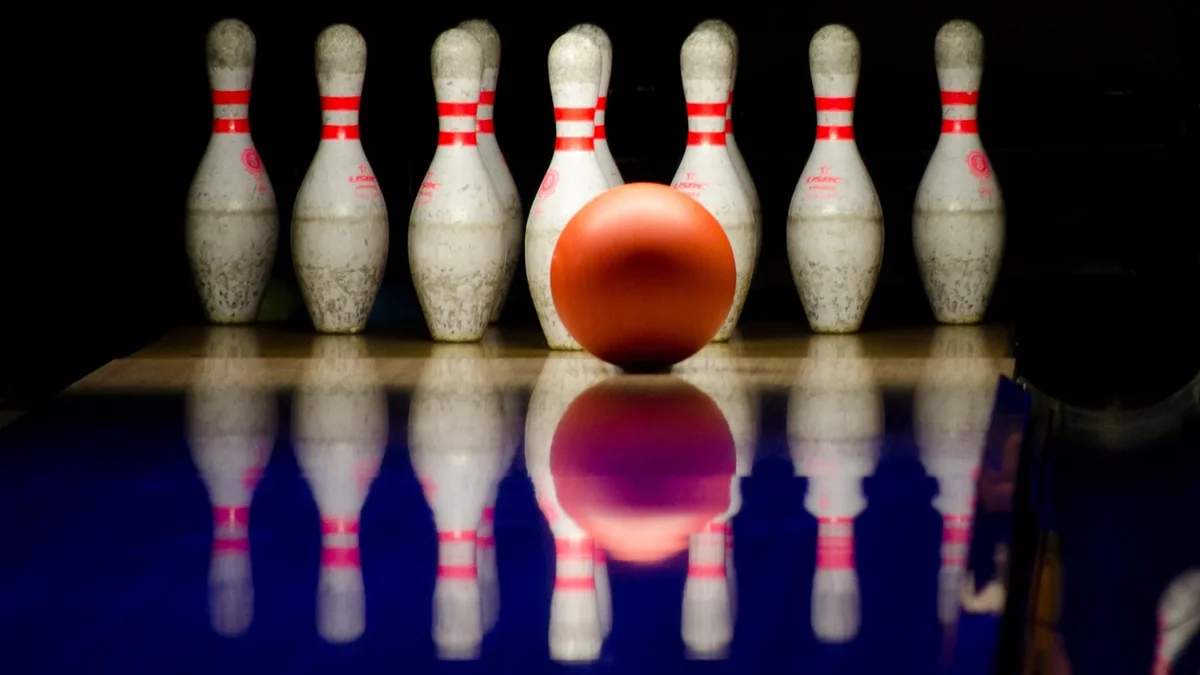
How bowling loads the shoulder
Each style asks something different of the arm. Ten-pin uses a heavy ball and a full swing, which puts real load on the shoulder as the arm moves quickly. Five-pin and lawn bowls use lighter balls and a more controlled delivery. Repeated throws still add up.
How much load you carry depends on technique, ball weight and how often you play. Ask your clinician about your own style.
What the research says
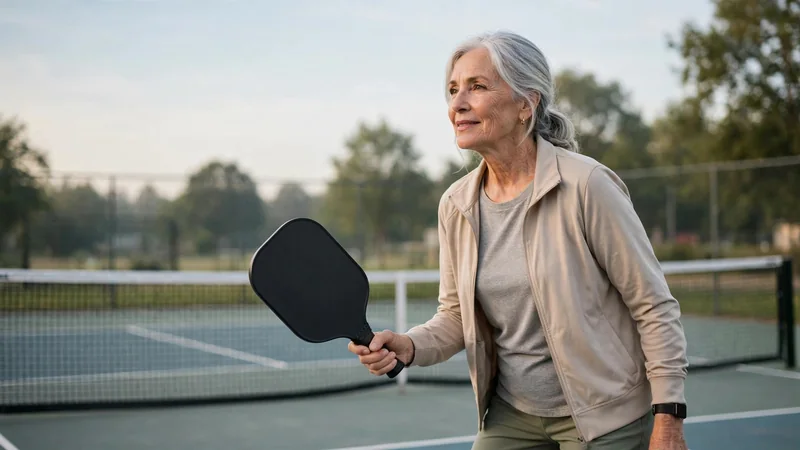
- Upper-body injuries from pickleball, a similar sport, rose over a decade, with the highest numbers in older adults [R31].
- In a 10-year pickleball study, adults 50 and older made up 91% of reported injuries. Falls were the most common cause, and strains, sprains and fractures were the most common injury types [R32].
- There isn't strong research on bowling shoulder pain specifically. Read the points above as a rough guide to risk, not a bowling forecast.
What you can do
- Warm up before you bowl. Do slow arm circles and gentle reaches. A seated version works just as well.
- Choose a ball that feels controlled. Ask a pro shop about a weight that lets you swing smoothly.
- Keep the swing smooth. Do not force the throw. Let the arm follow the body.
- Protect your footing. Use a rail, sit down between turns, and take care on slippery lanes and grass.
- Keep the shoulder moving between games. Use slow, controlled moves, seated if you prefer, and increase effort or range only gradually.
Where ShoulderBack Pro fits — and where it doesn't
Crosscuts is a diagonal glide from high on one shoulder toward the opposite hip, which echoes the sweep of a bowling arm. The site lists it as working the lats, external obliques and the muscles that pull the shoulder blades back. It is done seated if you like, with the other arm supplying the resistance.
It does not copy a delivery or judge your technique, and it is a wellness tool rather than a treatment for bowling injuries. For a home, seated option, you can order ShoulderBack Pro.
When to see a professional
See a doctor or physiotherapist promptly if you have: pain after a fall or injury with sudden weakness or loss of movement; a shoulder that looks deformed, very swollen or bruised; fever or feeling unwell alongside the pain; chest pain or breathlessness (call emergency services); constant pain that doesn't change with rest or activity; pain that wakes you most nights; numbness, tingling or weakness into the arm or hand; pain in several joints at once; or pain that hasn't improved after a couple of weeks of sensible self-care.
A sudden pop, a visible change in the shoulder's shape, or being unable to lift the arm after a fall needs urgent assessment [R30].
Try this movement
Crosscuts (lats, obliques, scapular retractors) →Frequently asked questions
Is ten-pin worse than lawn bowls for the shoulder?
Not necessarily. Load depends on technique, ball weight and how often you play. Ask a clinician or coach about your own style.
Can I keep bowling with a sore shoulder?
Sometimes, with less load and a pain-free range. Ask a clinician if the pain lasts or disturbs your sleep.
Are falls a real risk in bowling?
Falls were the most common cause of injury in a 10-year pickleball study. Bowling-specific data is limited, so take care on slippery lanes and grass.
Sources
- NHS Greater Glasgow & Clyde, Shoulder red flags; NHS MPFT self-help, Shoulder pain; BESS/BOA pathway summary (2021). https://pmc.ncbi.nlm.nih.gov/articles/PMC7905504
- Pickleball Pains: a 10-year epidemiologic analysis of rising upper-extremity injuries (2014–2023, NEISS). Journal of Orthopaedic Experience & Innovation. https://journaloei.scholasticahq.com/article/160819-pickleball-pains-a-10-year-epidemiologic-analysis-of-rising-upper-extremity-injuries
- ETSU / AOAO 10-year national study (2013–2022, NEISS). https://aoao.org/2025/03/21/rising-orthopedic-injuries-in-pickleball-insights-from-a-10-year-national-study/