Alternative & complementary remedies: what the evidence says
Topical Creams for Shoulder Pain: Diclofenac, Capsaicin, Menthol
6-minute read · Published January 20, 2026 · Updated January 20, 2026
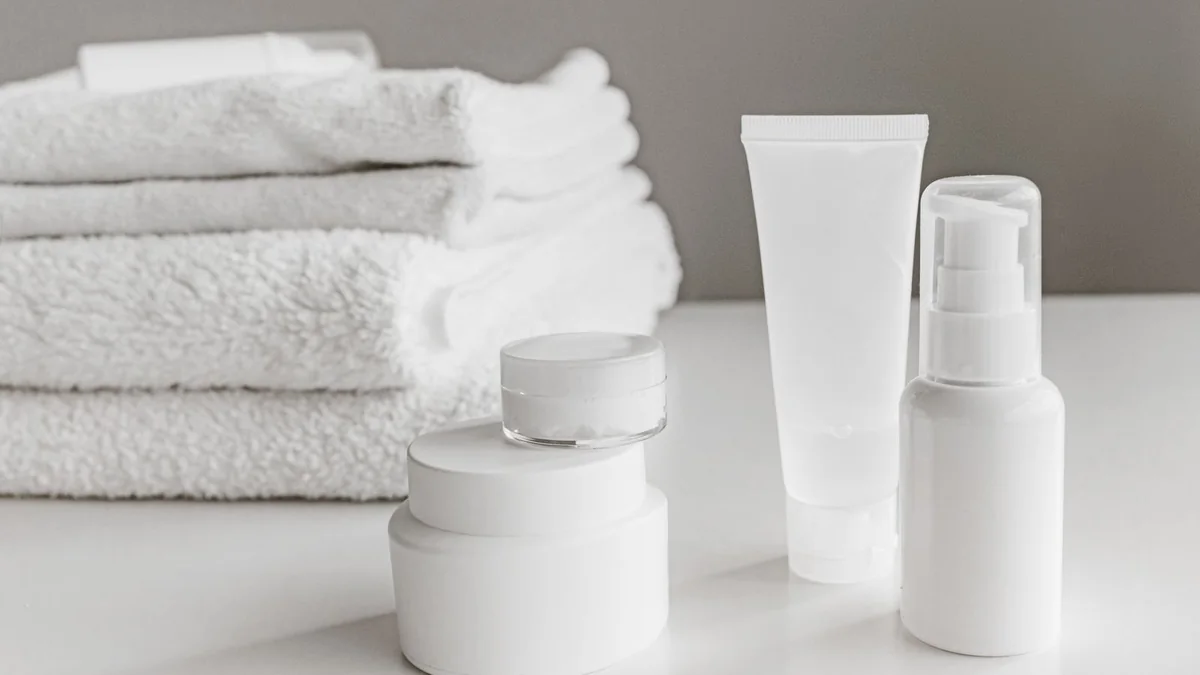
What these creams are
Topical means "applied to the skin." Each of these creams works in a different way.
- Diclofenac is a non-steroidal anti-inflammatory drug, often called an NSAID. It is the same family of medicine as some oral painkillers, but less of it is generally absorbed when applied to the skin. It is sold in several countries as a gel or patch.
- Capsaicin comes from chilli peppers. It produces a warm or hot feeling and is thought to change how nerves send pain signals.
- Menthol creates a cooling sensation. It can make the skin feel different, which may distract from discomfort for a while.
A cooling or warming feeling is not the same as a change in the joint. Keep that in mind when you judge how well a cream is working.
What the research says
There isn't strong research comparing these three creams for shoulder pain, so we cannot tell you which is most effective or how large any benefit would be. Here is the closest evidence, on the broader picture:
- Exercise has good support for rotator cuff-related shoulder pain. Progressive, resisted exercise probably helps, while gentle unloaded movement alone probably does not change pain much [R01].
- Most shoulder pain is managed in primary care with advice and exercise. NHS England now advises against routine scans unless there is a clear treatment pathway [R30].
A cream may offer short-term relief for some people. It is not a replacement for assessment or movement, and its effect on the shoulder itself is not established.
Safety points
Creams are sold over the counter, which can make them feel harmless. Most people tolerate them well, but some safety points matter.
- Follow the label. Use the amount and frequency stated on the packet, and do not apply more because it feels weak.
- Check your medications. Ask your pharmacist before using an NSAID cream if you take blood thinners, other anti-inflammatory tablets, or have kidney, stomach or heart conditions.
- Avoid broken or irritated skin. Do not apply to open wounds, rashes or sunburn.
- Wash your hands after use. Keep the cream away from eyes and mucous membranes.
- Be careful with heat-based creams. Capsaicin can cause burning. Do not use a heating pad over the cream, and wash off any that gets into the eyes.
- Ask about allergies. Stop if you notice redness, itching, swelling or a rash.
What you can do
- Start with a clinician check. Especially if your shoulder is sore after a fall, has weakness or wakes you at night.
- Ask a pharmacist. Bring your list of medications and ask which option, if any, is suitable for you.
- Use a cream as a short extra, not the main plan. Give it a fair trial and note how your shoulder feels.
- Keep moving gently. A seated routine, such as slow shoulder rolls or a gentle reach, can fit alongside a cream. Stop if pain increases.
- Track your results. Write down your pain level and any side effects for two weeks, then review it with your clinician.
- Think about sleep and posture too. Small changes to how you rest may help. See our guide to sleeping with shoulder pain.
Where ShoulderBack Pro fits — and where it doesn't
ShoulderBack Pro does not fit this topic. It is a handheld movement trainer, not a topical product, and it does not replace a cream, a medication or a clinical assessment. A pharmacist or clinician can tell you which option, if any, makes sense for your shoulder; for gentle movement, see the routines page.
When to see a professional
See a doctor or physiotherapist promptly if you have: pain after a fall or injury with sudden weakness or loss of movement; a shoulder that looks deformed, very swollen or bruised; fever or feeling unwell alongside the pain; chest pain or breathlessness (call emergency services); constant pain that doesn't change with rest or activity; pain that wakes you most nights; numbness, tingling or weakness into the arm or hand; pain in several joints at once; or pain that hasn't improved after a couple of weeks of sensible self-care.
Do not rely on a cream for pain after an injury, pain with fever, or pain that spreads into the arm or hand.
Try this movement
Greet the Morning (seated) ritual →Frequently asked questions
Which cream is best for shoulder pain?
Research does not clearly compare these creams, so we cannot name a best one. A pharmacist can help you choose based on your health history and medications.
Are creams safer than tablets?
Creams can have fewer whole-body effects, but they are not risk-free. Follow the label, and do not apply several products at once. Ask a pharmacist if you take other medication.
Can I use a cream and do exercise at the same time?
Often yes, unless a clinician has said otherwise. Exercise is the approach with the best research support, and a cream can be a short-term extra. Check with your clinician first.
When should I stop using a cream?
Stop if you get a rash, burning that is more than mild, or swelling. Stop and seek advice if the pain gets worse or does not improve after a couple of weeks.
Sources
- Naunton J et al. (2020). Effectiveness of progressive and resisted and non-progressive or non-resisted exercise in rotator cuff related shoulder pain: systematic review and meta-analysis of RCTs. Clinical Rehabilitation. https://search.pedro.org.au/search-results/record-detail/61404
- NHS Greater Glasgow & Clyde, Shoulder red flags; NHS MPFT self-help, Shoulder pain; BESS/BOA pathway summary (2021). https://pmc.ncbi.nlm.nih.gov/articles/PMC7905504
More in this topic
 Essential guide: Alternative Remedies for Shoulder Pain: What the Evidence Says About Each
 Over-the-Counter Pain Relief: Acetaminophen vs NSAIDs for Shoulder Pain
 PRP and Stem-Cell Injections for Shoulders: Expensive, Uncertain
 Shockwave Therapy for Calcific Shoulder Tendinitis: One of the Better-Supported Options