Alternative & complementary remedies: what the evidence says
Hydrotherapy and Pool Exercise for Shoulders: Why Water Works
6-minute read · Published May 20, 2026 · Updated May 20, 2026
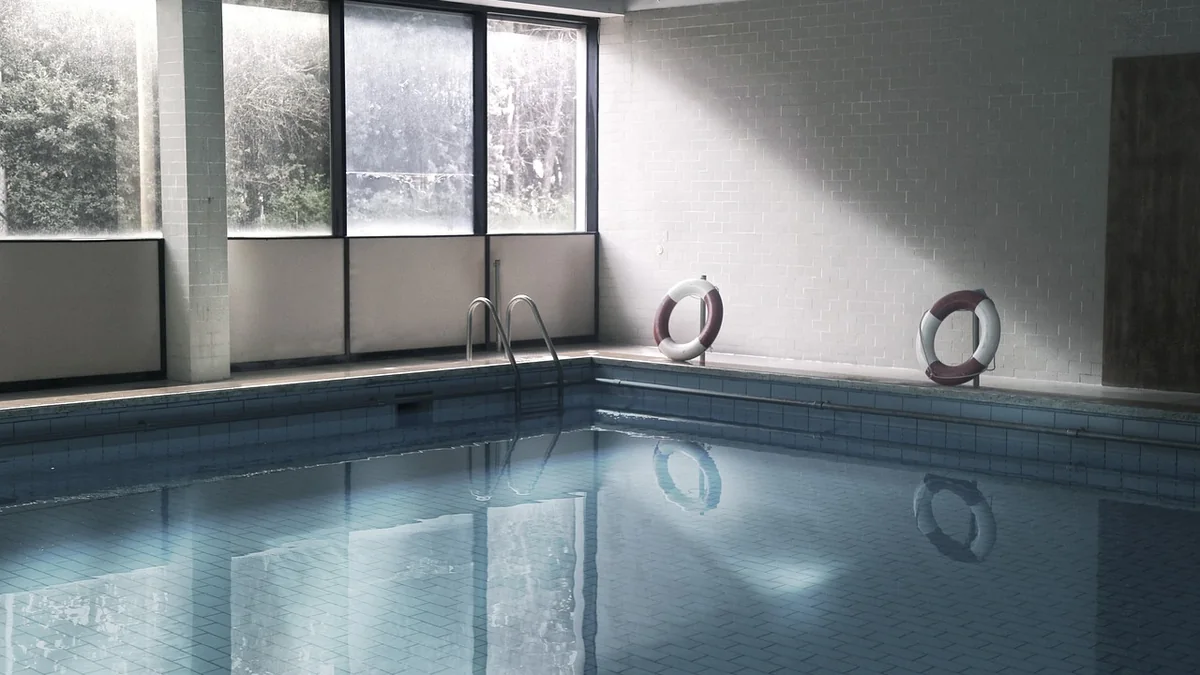
Why water feels different
Water pushes up on your body, so your arms feel lighter in shallow water. That can make it easier to move through a comfortable range.
Water also pushes back when you move through it, so a slow, controlled movement may give your shoulder gentle resistance without any equipment.
Some clinics use warm-water exercise under supervision. Warmth can feel soothing, and that comfort is a real benefit even if the research is limited.
What the research says
- There isn't strong research on pool exercise for shoulders specifically; here is the closest evidence.
- Exercise-based programs reduce pain and improve function and range of motion in middle-aged and older adults with rotator-cuff-related shoulder pain [R04].
- Resisted, progressive exercise probably helps shoulder pain. Gentle, unloaded movement alone probably does not move the needle on pain [R01]. A relaxing float may not be enough on its own.
Practical tips for the pool
Pick a quiet session if you can. Crowded lanes mean splashes, bumps and rushed movement, and none of those help a sore shoulder.
Check the water temperature before you commit. Many community pools used for gentle exercise are kept warmer than lap pools, and warmer water tends to feel more comfortable on stiff joints. If you feel light-headed, get out and sit down.
Take care on the way in and out. Wet steps and pool decks are a common place for falls, which is a bigger risk than the shoulder itself. Use the handrail, wear non-slip footwear on the deck, and avoid reaching overhead to pull yourself up the ladder if that bothers your shoulder.
Keep the first sessions short, around ten to fifteen minutes, and note how the shoulder feels that evening and the next morning. That note helps you and your clinician decide what to change.
What you can do
- Ask your physiotherapist or doctor whether water exercise suits your shoulder, and which movements to avoid.
- Start in shallow water, holding the pool wall or rail for support.
- Seated option: sit on a pool bench or a chair at the edge, and do gentle arm circles in the water.
- Move slowly through forward, side and back reaches, staying within a comfortable range.
- Add gentle resistance by pressing the water slowly with your forearm. Increase only when the shoulder feels fine the next day.
- Stop if you feel sharp pain, dizziness or new numbness, and get medical advice.
Where ShoulderBack Pro fits — and where it doesn't
ShoulderBack Pro is a dry-land trainer and should stay out of the pool. On days between swims, SeeSaw and Around the World are seated, two-arm movements where the other arm provides the resistance, so you can press harder, reach further or go longer as it feels comfortable. The lessons are on the routines page, and ShoulderBack Pro is the trainer they use.
It's not a medical device and not a treatment, and there is no trial evidence about it specifically. It doesn't replace a water program your clinician designs.
When to see a professional
See a doctor or physiotherapist promptly if you have: pain after a fall or injury with sudden weakness or loss of movement; a shoulder that looks deformed, very swollen or bruised; fever or feeling unwell alongside the pain; chest pain or breathlessness (call emergency services); constant pain that doesn't change with rest or activity; pain that wakes you most nights; numbness, tingling or weakness into the arm or hand; pain in several joints at once; or pain that hasn't improved after a couple of weeks of sensible self-care. [R30]
Only a doctor, physiotherapist or other licensed clinician can diagnose the cause of shoulder pain. If you have a heart, lung or skin condition, ask first before you start any pool program.
Try this movement
Greet the Morning (seated) ritual →Frequently asked questions
Is warm water better than cold for shoulders?
Warm water may feel more comfortable, and comfort is a fair reason to choose it. The evidence on water temperature for shoulder pain varies, so ask your clinician.
Do I need a pool to get these benefits?
No. Similar movements work on dry land. Pool exercise is one option, not a requirement.
Is hydrotherapy the same as a pool workout?
Not quite. Hydrotherapy is usually a supervised treatment, while pool exercise is general movement you can do on your own once cleared.
Can I use my shoulder trainer in the pool?
Our product information covers dry-land use only. Check with us before you use it near water.
Sources
- Naunton J et al. (2020). Effectiveness of progressive and resisted and non-progressive or non-resisted exercise in rotator cuff related shoulder pain: systematic review and meta-analysis of RCTs. Clinical Rehabilitation. https://search.pedro.org.au/search-results/record-detail/61404
- BMC Musculoskeletal Disorders (2026). Exercise interventions for rotator cuff-related shoulder pain in middle-aged and older adults: systematic review and meta-analysis. https://link.springer.com/10.1186/s12891-026-10035-4
- NHS Greater Glasgow & Clyde, Shoulder red flags; NHS MPFT self-help, Shoulder pain; BESS/BOA pathway summary (2021). https://www.nhsggc.scot/page_category/services/page/33
More in this topic
 Essential guide: Alternative Remedies for Shoulder Pain: What the Evidence Says About Each
 Over-the-Counter Pain Relief: Acetaminophen vs NSAIDs for Shoulder Pain
 PRP and Stem-Cell Injections for Shoulders: Expensive, Uncertain
 Shockwave Therapy for Calcific Shoulder Tendinitis: One of the Better-Supported Options